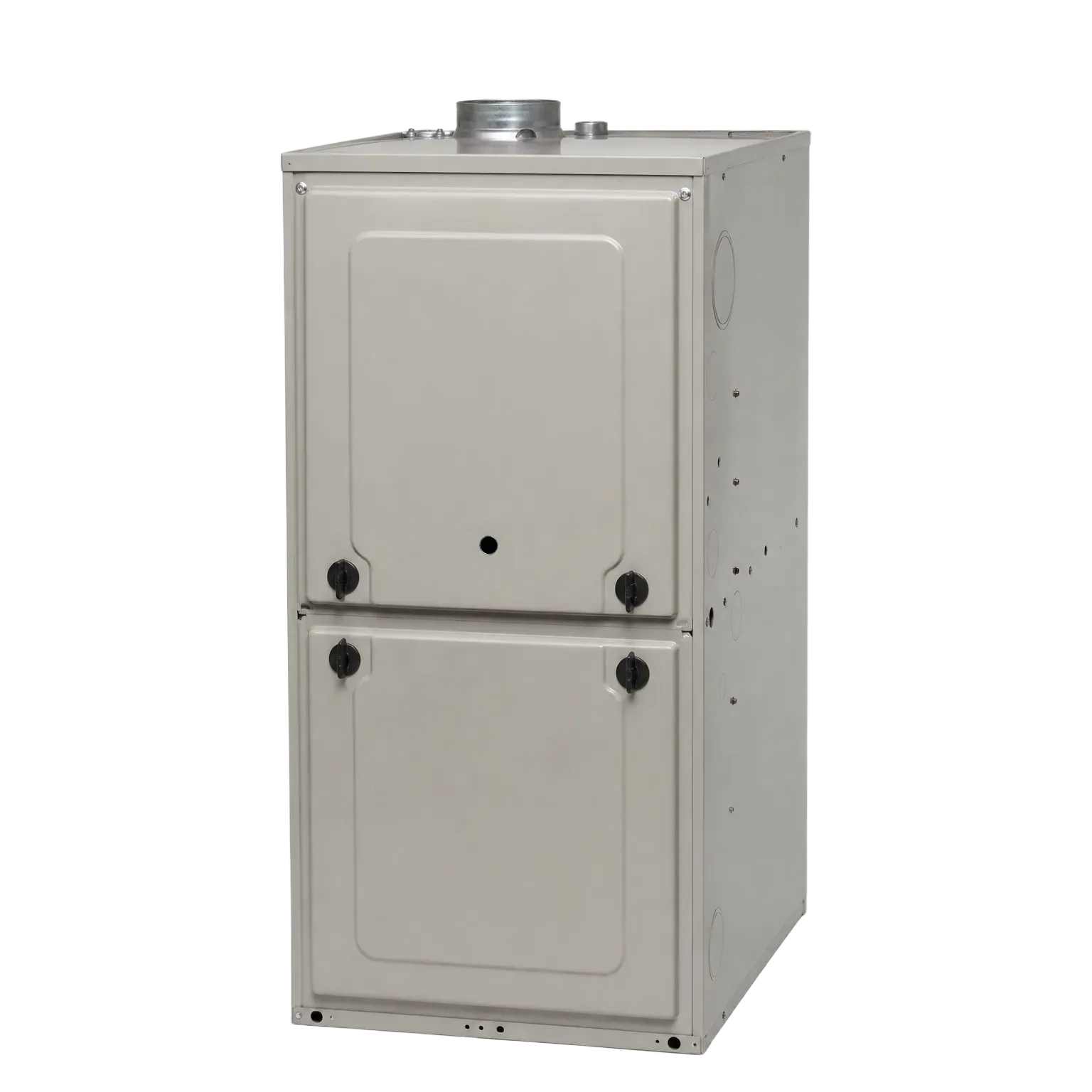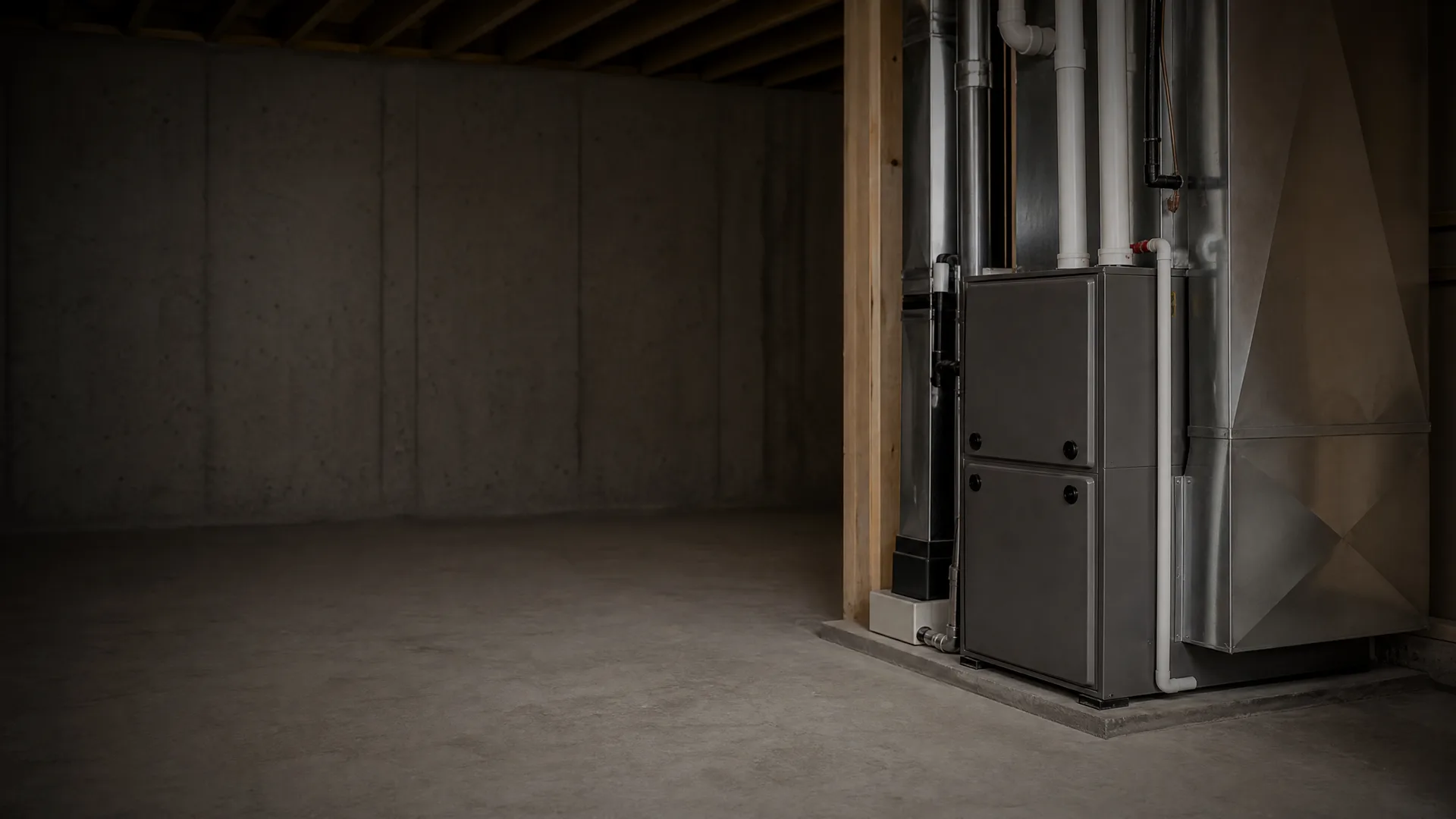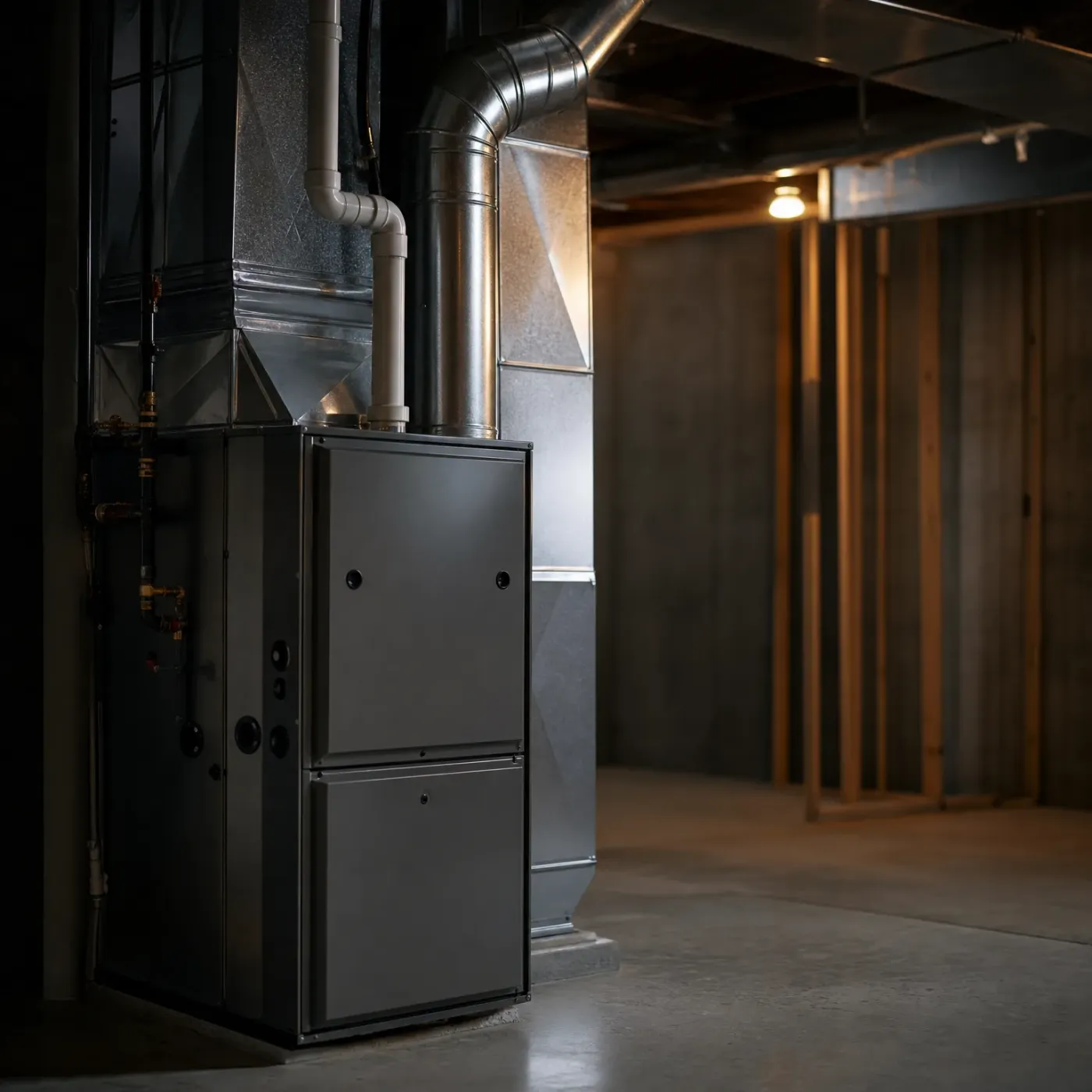




A dark gray furnace with two access panels stands in a basement, connected to galvanized sheet-metal ductwork and PVC pipes, with exposed wood framing and a bare bulb light in the background.

Skip calling around

Do you need a furnace humidifier in Alabama

Alabama winters are short, and most homes here heat with electricity instead of gas. That changes whether a furnace humidifier is worth adding, and what it actually does for the air in your house. This page gets into when one makes sense here and when it doesn't, so you can skip the back and forth of calling around and explaining your setup more than once.

Skip the calls

Most houses in Alabama don't need one. Furnace humidifiers earn their keep where winters run long and cold and the furnace dries the air out for months at a stretch. Alabama winters don't do that. Heat runs for a short stretch of the year, and a lot of homes here heat with electric resistance or a heat pump rather than a gas furnace, so there's often no ductwork humidifier to even attach one to. The bigger moisture problem in Alabama runs the other way: summers are muggy, and keeping that humidity out of the house matters more than adding it back in come winter. If your winters feel dry inside, a few nights of static shocks or dry skin doesn't mean you need a whole-house system. It usually means the air is doing what short, mild winters do.

A smiling woman with dark shoulder-length hair in a cream V-neck sweater sits at a marble counter with a glass of red wine, with a kitchen and softly lit living room behind her.
A woman in a dark green sweater laughs while seated at a marble kitchen island with a glass of red wine, with open shelving, cabinets and a living room visible behind her.
A woman with long dark hair in a cream knit sweater laughs while looking off to the side, seated at a counter with a glass of red wine, in a dimly lit living room with a sofa, lamp, framed pictures and houseplant behind her.
A smiling woman with long dark hair in a beige sweater sits at a marble kitchen counter with a glass of red wine, with a dimly lit living room behind her.

Is the air in your house actually dry

Static shocks when you touch a doorknob. Skin that feels tight after a shower. Wood floors or furniture seams that pull apart a little. Those are the real signs dry air is a problem in your house, not just a guess. If you're not seeing any of that, your electric furnace probably isn't running long enough or often enough to pull the moisture out of the air the way a gas furnace in a colder state would. Alabama's muggy summers already keep humidity on your mind, but that's a different season and a different problem. Chasing a dry air problem you don't actually have means spending money on equipment that sits there doing very little most of the year.

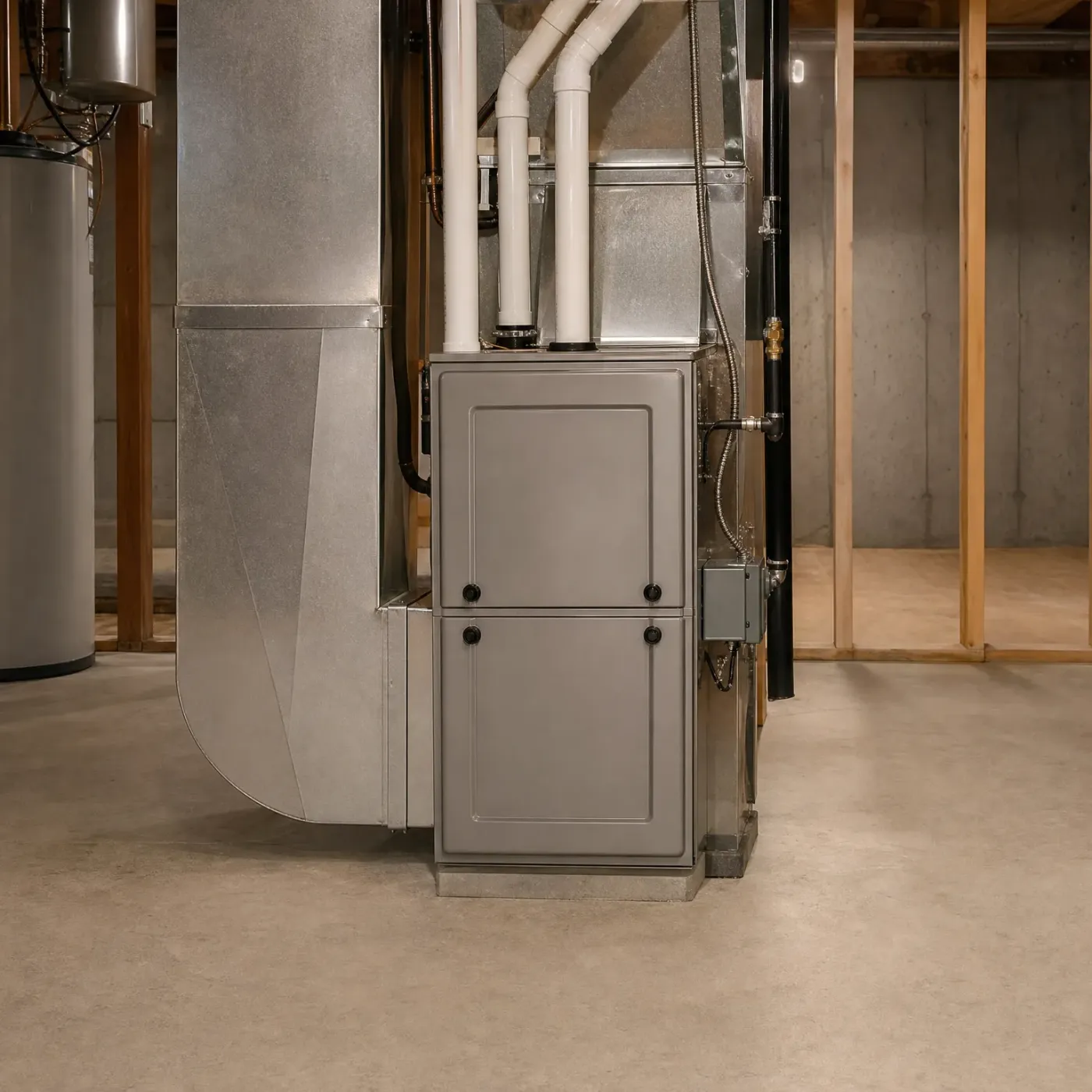
A gray high-efficiency furnace with white PVC vent pipes stands beside sheet-metal ductwork and a water heater in an unfinished basement with concrete walls and wood framing.

Running without one

This is a furnace heating a house with no humidifier added on. If the air feels fine and nobody's getting shocked touching a doorknob, this setup is doing its job. Most furnaces in Alabama run this way and the house is fine for it.
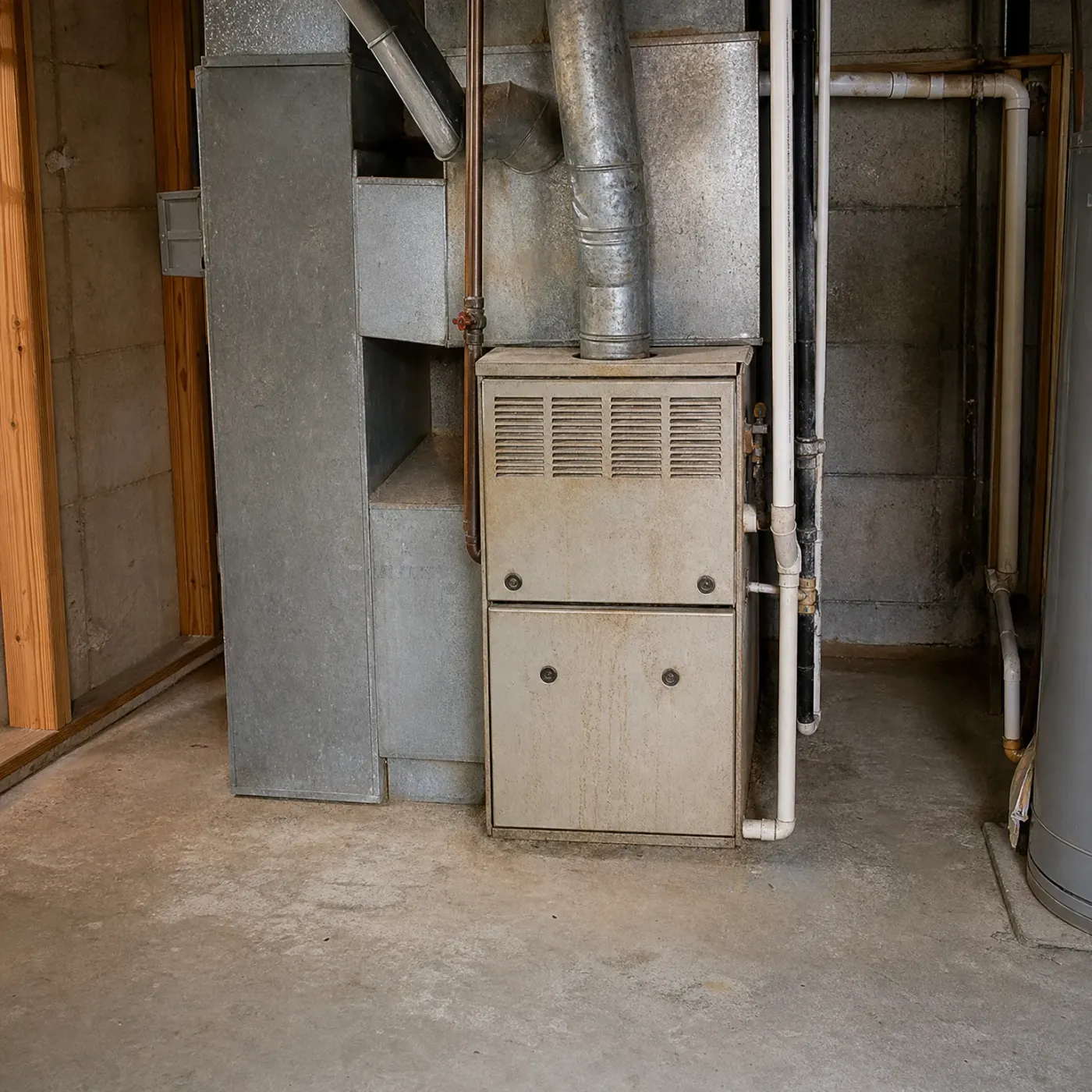

A beige gas furnace with a metal flue pipe stands in a basement against concrete block walls, beside sheet-metal ductwork, copper and white plastic pipes, and a water heater at right.

Dry air taking a toll

This is what shows up when a furnace runs for weeks with no moisture added back. Furniture seams pull apart, wood floors gap, skin feels tight all winter. If that's your house, a humidifier is worth asking a contractor about.

A smiling bearded man in a navy sweater sits at a candlelit dinner table with a glass of red wine, a bowl of salad, and plates of food in the foreground.
A woman with dark hair in a bun reclines on a sofa with her eyes closed, wrapped in a cream fleece blanket, a closed blue hardcover book resting in front of her, with a lit lamp and a vase of dried flowers in the background.

Describe it once

One installer gets your project, so there's no bidding war over it.

There's no charge for the request.

How the unit actually works

  • A furnace humidifier taps into the water supply line and feeds a pad or drum mounted in the ductwork near the furnace.
  • It only adds moisture while the furnace blower is running, so it works in short bursts, not continuously.
  • A humidistat, usually mounted on a wall or the return duct, tells it when to turn on based on the indoor humidity level.
  • Water flows over the pad or a rotating drum, and the moving air picks up moisture before it reaches the rest of the house.
  • The unit ties into the same ductwork that distributes heat, so it depends on the furnace cycling on to do anything at all.
  • Models vary between bypass units, which use duct pressure to pull air through, and fan-powered units, which use their own small motor.

A furnace humidifier is a small add-on that lives next to the furnace, not a separate box somewhere in the house. It connects to a water line, usually copper or plastic tubing run from a nearby supply, and that water feeds a pad or a slow-turning drum sitting inside or next to the ductwork. The furnace blower has to be moving air for any of this to matter. Air passes over the wet pad or drum, picks up moisture, and carries it into the same ducts already carrying heat through the house. No blower running, no humidity added, which is why it only works in bursts tied to furnace cycles rather than running steady like a standalone humidifier would.

A humidistat controls the timing. It reads the indoor humidity level and switches the unit on when the air is drier than it should be, then shuts it off once that level is met. This is mounted on a wall or sometimes right on the return duct, close enough to get an honest reading of house air rather than air near the furnace itself.

There are two common designs. Bypass units use the furnace's own duct pressure to pull air through the pad, no motor required. Fan-powered units have a small motor built in to push air through, which matters more in a system where duct pressure alone is not enough. Either way, the part is doing nothing unless the furnace is calling for heat.

Winter nights average 36°F statewide

36°F isn't hard freeze weather. Your furnace cycles on to take the chill off, not to fight the cold for hours at a time, so it isn't pulling moisture out of the air the way it would somewhere with real winters. That's a big part of why humidifiers don't earn their place in most Alabama homes.

NOAA nClimDiv 1991-2020 county normals weighted by homes

  1. Water line is tapped into the supply near the furnace.

  2. A pad or drum is mounted inside the duct plenum.

  3. The humidistat reads indoor air and signals when moisture is low.

  4. The furnace blower starts and draws air across the pad.

A closed laptop and a cream mug of coffee on a coaster sit on a dark wooden table, with a potted plant at left and a kitchen counter, tiled backsplash and shelf of ceramics in the background.

Where that leaves you

For most houses in Alabama, the furnace does fine on its own. If your doorknobs don't shock you and your skin isn't tight by February, there's nothing to fix. A humidifier is worth adding when the signs are actually there, not because the furnace is running.

If you do want one installed, a local contractor who works on furnaces all winter will know how it should tie into your ductwork and water line, and won't need to guess at it. That's one call instead of several, one visit instead of comparing bids from companies that have never seen your furnace. You'll spend the evening knowing where you stand instead of sorting through quotes.

A living room corner with a beige upholstered armchair holding navy and striped cushions, a small round wooden side table with a carved bowl and a potted green plant, a framed landscape picture on a pale wall, built-in shelving, and a curtained window.
A gas furnace with attached PVC and metal piping and sheet-metal ductwork stands on a concrete pad in a dim unfinished basement with concrete walls and exposed floor joists.

No phone calls to make

The pro who reaches out is licensed in Alabama.

Step 1 of 3: Equipment