Tell us about the job
Takes about a minute. No obligation.
A furnace repair in Cherokee County starts with the system itself, not with the season it ran through. 93 severe weather events were recorded in Cherokee County, Alabama between 2015 and 2024. That puts this area in a range where severe weather is a real but not dominant variable in how equipment wears. A contractor inspecting a failed furnace here will work through the heat exchanger, the ignition components, and the blower before settling on weather load as an explanation. What usually accounts for the failure is how old the unit is and whether it was serviced regularly.
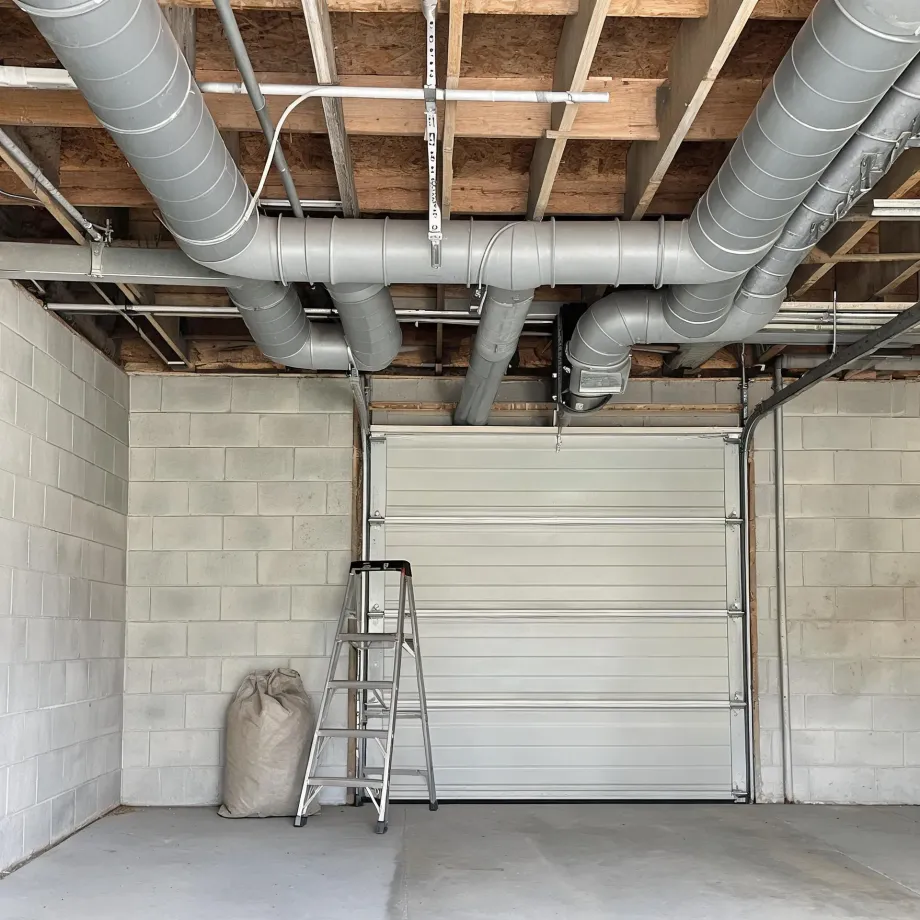
Furnaces in houses this old have been running long enough that their internal components belong to lineages the supply chain has largely moved past. Half the homes in Cherokee County, Alabama were built in 1986 or earlier (2020-2024 ACS 5-year). A contractor who opens a furnace here and finds a cracked heat exchanger, a failed inducer, or a worn gas valve is not looking at a catalog with ready answers. Some parts ship; some have to be hunted across secondary suppliers; some are simply gone. That gap between what the unit needs and what is still made is what sets the repair scope, and it is the first thing a contractor prices before anything else.
The Parts of a Furnace a Contractor Checks First
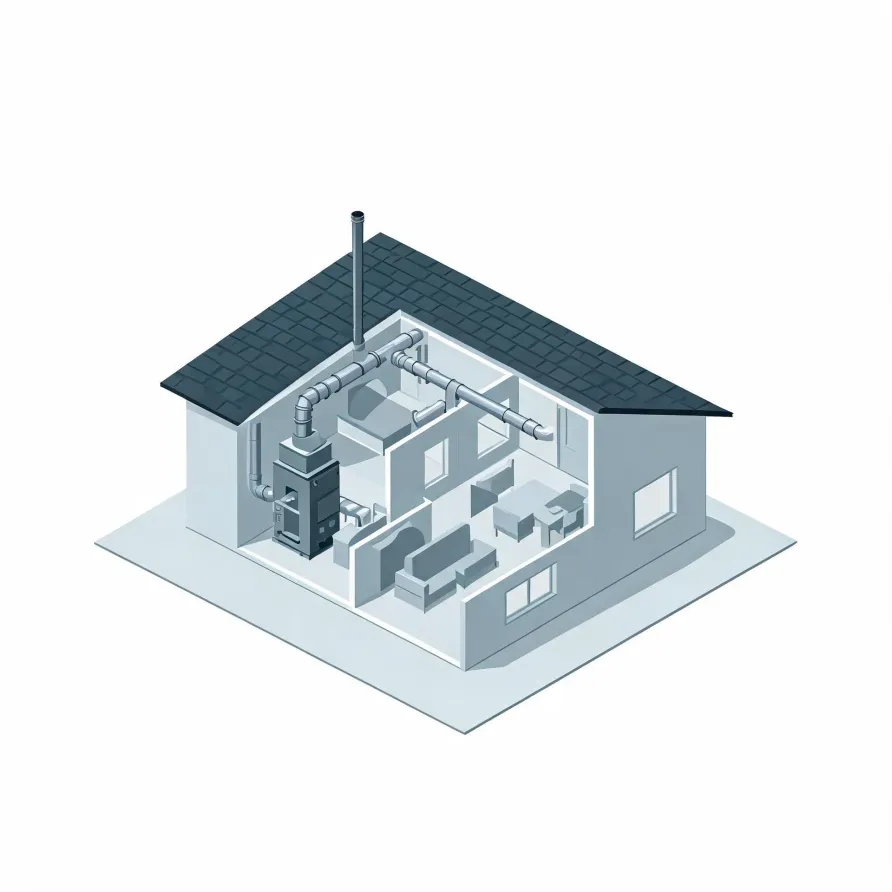
The furnace itself sits in a basement, utility closet, or crawlspace and is the unit a contractor opens first. Inside it, the heat exchanger is the piece most worth understanding: cracks or corrosion there affect both performance and safety, so it draws close attention early in any repair visit. The burners, which sit just below the heat exchanger, are checked for even flame and buildup.
The blower motor pushes conditioned air out through the supply side of the system and sits in the lower cabinet of the furnace. Alongside it, the control board and ignitor are small components that fail in ways which can shut the whole unit down, so contractors test both even when a different part appears to be the source of the problem.
The drawing shows a general layout of these components, and a licensed contractor determines which parts apply and what condition they are in for your specific home.
Get matched in Cherokee CountyCherokee County, by the numbers
93 severe weather events were recorded in Cherokee County, Alabama between 2015 and 2024.
NOAA National Centers for Environmental Information, Storm Events Database, bulk CSV export, events 2015-01-01 through 2024-12-31.Half the homes in Cherokee County, Alabama were built in 1986 or earlier (2020-2024 ACS 5-year).
U.S. Census Bureau, 2020-2024 American Community Survey 5-Year EstimatesCherokee County, Alabama holds 14,702 housing units (2020-2024 ACS 5-year).
U.S. Census Bureau, 2020-2024 American Community Survey 5-Year EstimatesOwners occupy 81.1% of the occupied homes in Cherokee County, Alabama (2020-2024 ACS 5-year).
U.S. Census Bureau, 2020-2024 American Community Survey 5-Year EstimatesCodes & Standards Covering Furnace Repair in Cherokee County, Alabama5 sourced rules and standards
What Happens When a Contractor Comes Out
Non-weatherized gas furnaces manufactured on or after November 19, 2015 must reach 80.0 percent AFUE.
Non-weatherized oil-fired furnaces manufactured on or after November 19, 2015 must reach 83.0 percent AFUE.
Mobile home gas furnaces manufactured on or after November 19, 2015 must reach 80.0 percent AFUE.
Non-weatherized gas furnaces manufactured on or after December 18, 2028 must reach 95.0 percent AFUE, up from the 80.0 percent minimum that applies to units manufactured before that date.
Licensing Rules for HVAC Work in Cherokee County, Alabama
Alabama requires state certification to do heating, air conditioning and refrigeration contracting: nobody may advertise, bid, pull permits or do the work unless the person in responsible charge is a certified contractor.
Severe Weather Events in Cherokee County
Weather puts real hours on heating equipment. Hard conditions accelerate wear on furnaces, and that wear compounds over time in ways that are specific to where you live and how often those conditions arrive.
93 severe weather events, 2015–2024. Source: NOAA National Centers for Environmental Information, Storm Events Database.