Tell us about the job
Takes about a minute. No obligation.
A furnace repair in Fayette County starts with what the unit has or has not had done to it over the years, not with what the sky has thrown at it. 56 severe weather events were recorded in Fayette County, Alabama between 2015 and 2024. At that rate, severe weather is an event rather than a constant pressure, so a cracked heat exchanger or a failed control board almost certainly reflects deferred maintenance or the age of the equipment. A contractor will check the condition of the components and the service record before drawing any other conclusion.
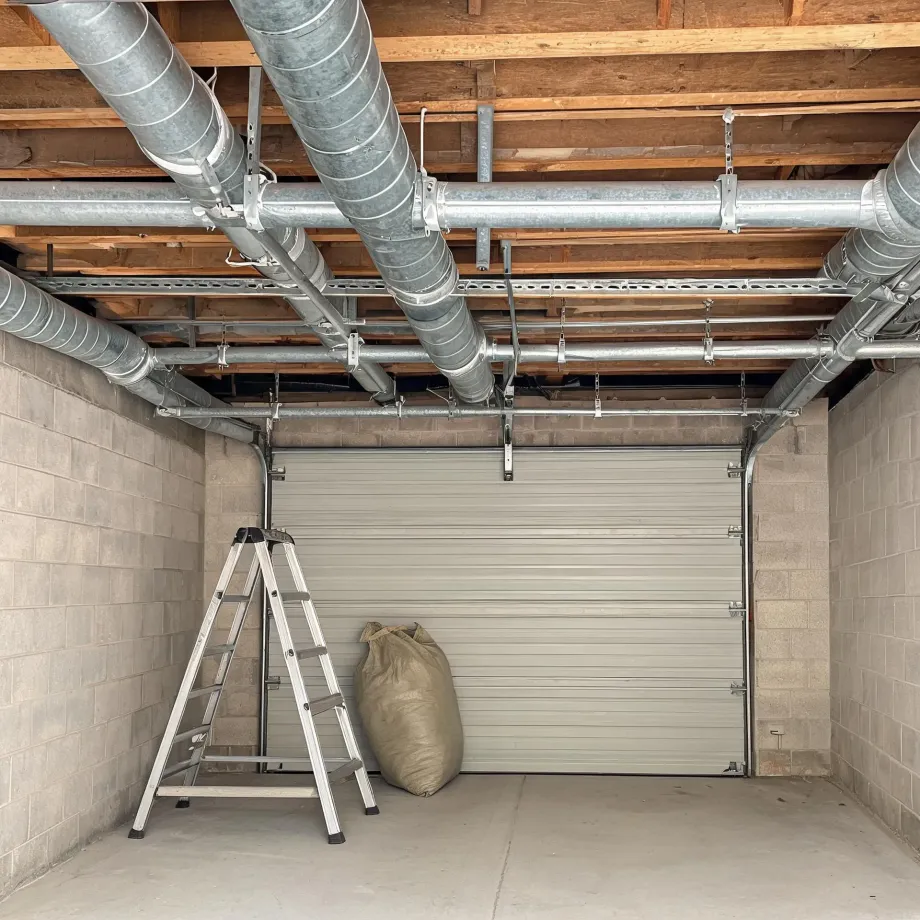
Aged ductwork and a furnace that has run through many seasons together develop a failure pattern a contractor reads from the opened unit, not from the permit date. Half the homes in Fayette County, Alabama were built in 1980 or earlier (2020-2024 ACS 5-year). That means a repair call here often turns up heat exchangers that have developed cracks or limit switches that cycle erratically, signs of cumulative thermal stress rather than sudden failure. Parts for systems installed into stock this old are still in production, so the constraint is what the internals show once the panels come off.
The Parts of a Furnace a Contractor Checks First
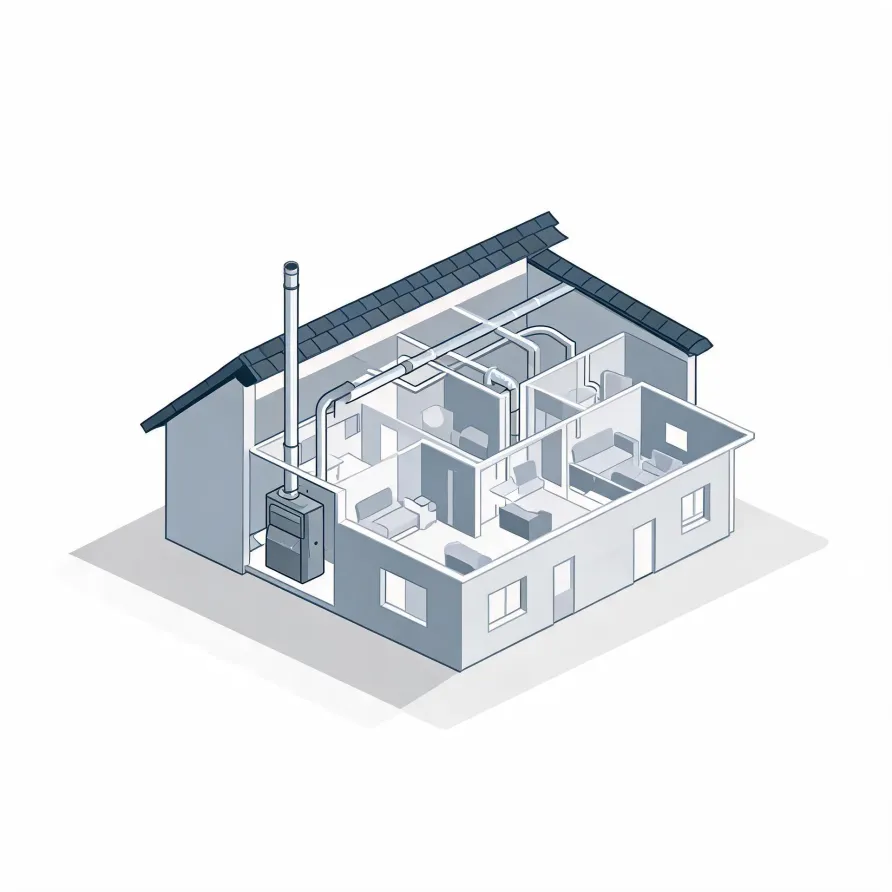
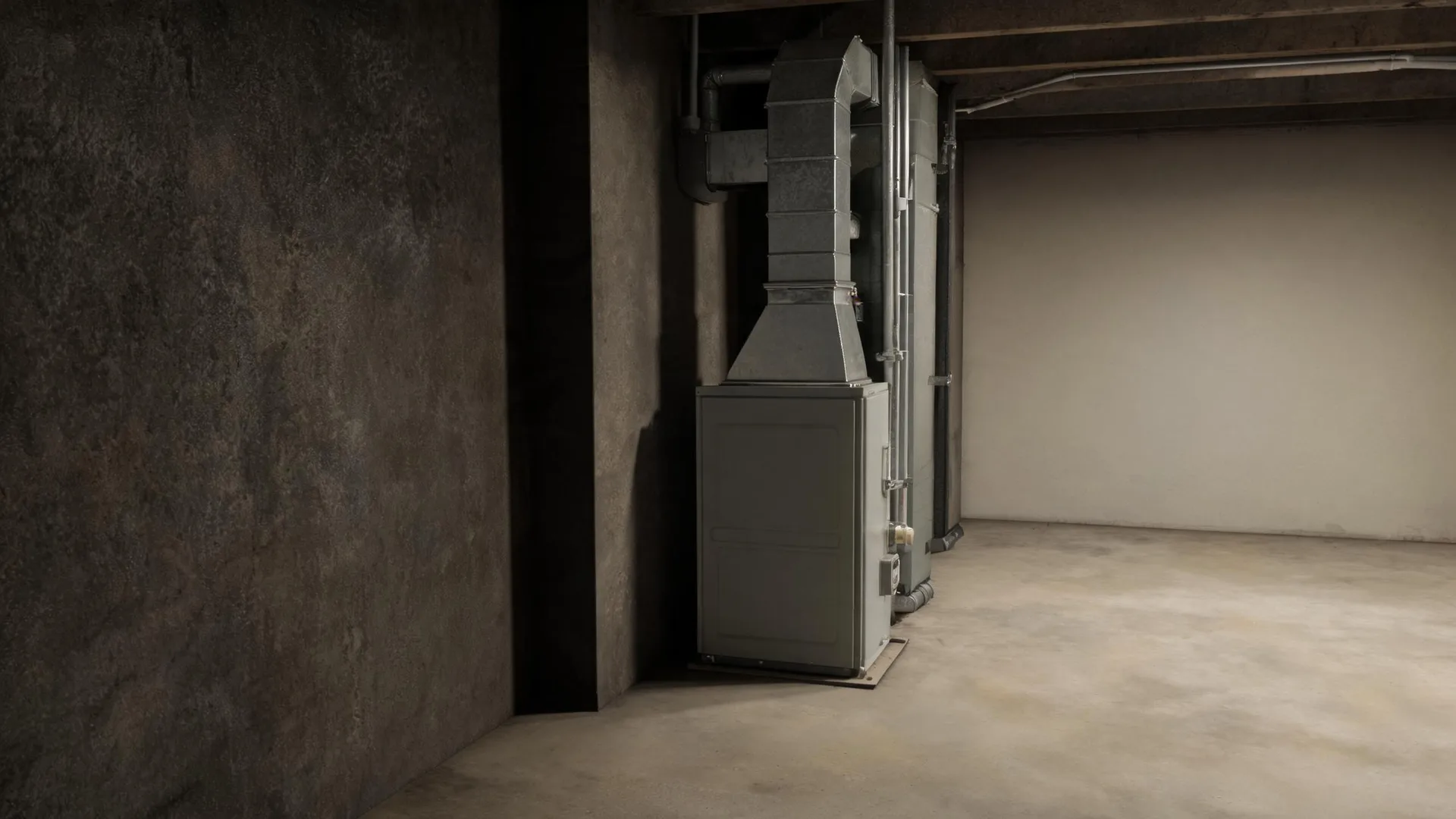
The furnace itself sits in a utility space, basement, or closet and is the piece a contractor goes to first. Inside it, the heat exchanger and burner assembly are the usual suspects when heating fails or the system behaves strangely. A cracked heat exchanger, a faulty igniter, or a failed burner will each stop the furnace from producing heat in its own way.
The blower motor pulls air across the heat exchanger and pushes it into the supply side of the house. The flue or exhaust vent runs from the furnace to an outside wall or the roof, carrying combustion gases out. The control board ties all of it together, and when a contractor finds no obvious fault at the burner or blower, the board is where the diagnostic goes next.
The drawing shows the general layout of a furnace system, and a licensed contractor determines which components apply and what condition they are in for your specific home.
Get matched in Fayette CountyFayette County, by the numbers
56 severe weather events were recorded in Fayette County, Alabama between 2015 and 2024.
NOAA National Centers for Environmental Information, Storm Events Database, bulk CSV export, events 2015-01-01 through 2024-12-31.Half the homes in Fayette County, Alabama were built in 1980 or earlier (2020-2024 ACS 5-year).
U.S. Census Bureau, 2020-2024 American Community Survey 5-Year EstimatesFayette County, Alabama holds 7,810 housing units (2020-2024 ACS 5-year).
U.S. Census Bureau, 2020-2024 American Community Survey 5-Year EstimatesOwners occupy 78.4% of the occupied homes in Fayette County, Alabama (2020-2024 ACS 5-year).
U.S. Census Bureau, 2020-2024 American Community Survey 5-Year EstimatesCodes & Standards Covering Furnace Repair in Fayette County, Alabama5 sourced rules and standards
What the Repair Visit Looks Like
Non-weatherized gas furnaces manufactured on or after November 19, 2015 must reach 80.0 percent AFUE.
Non-weatherized oil-fired furnaces manufactured on or after November 19, 2015 must reach 83.0 percent AFUE.
Mobile home gas furnaces manufactured on or after November 19, 2015 must reach 80.0 percent AFUE.
Non-weatherized gas furnaces manufactured on or after December 18, 2028 must reach 95.0 percent AFUE, up from the 80.0 percent minimum that applies to units manufactured before that date.
Licensing and Legal Requirements in Fayette County, Alabama
Alabama requires state certification to do heating, air conditioning and refrigeration contracting: nobody may advertise, bid, pull permits or do the work unless the person in responsible charge is a certified contractor.
Severe Weather Events in Fayette County
Weather puts direct stress on heating equipment, and how hard a furnace works over its life is shaped by what the local climate actually delivers. Repair needs in Fayette County are tied to that local reality, which is why the record below belongs on this page.
56 severe weather events, 2015–2024. Source: NOAA National Centers for Environmental Information, Storm Events Database.