Tell us about the job
Takes about a minute. No obligation.
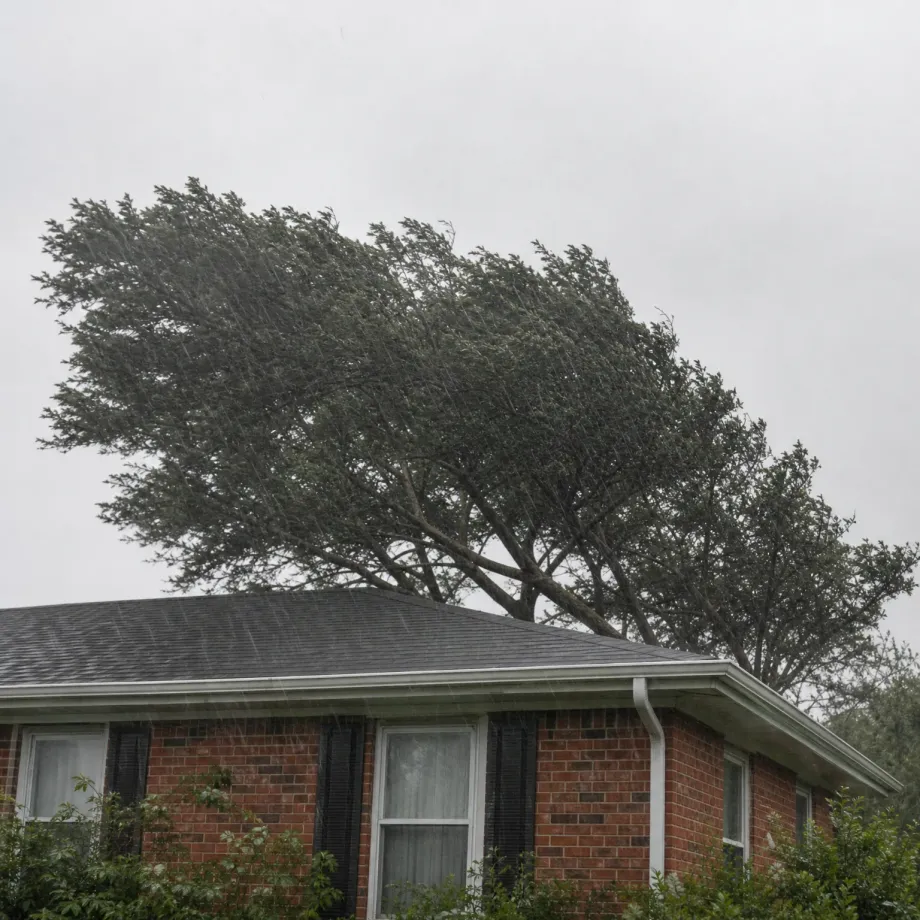
A contractor diagnosing a furnace repair in Mobile County checks the heat exchanger and the pressure switch early, because those are the components that show what sustained weather load does over time. 238 severe weather events were recorded in Mobile County, Alabama between 2015 and 2024. At that rate, severe weather is a standing condition here, and the components that manage airflow and combustion pressure are the ones that absorb it. A blower motor or a cracked heat exchanger in this county is most likely worn by accumulated load, not by a single bad event.
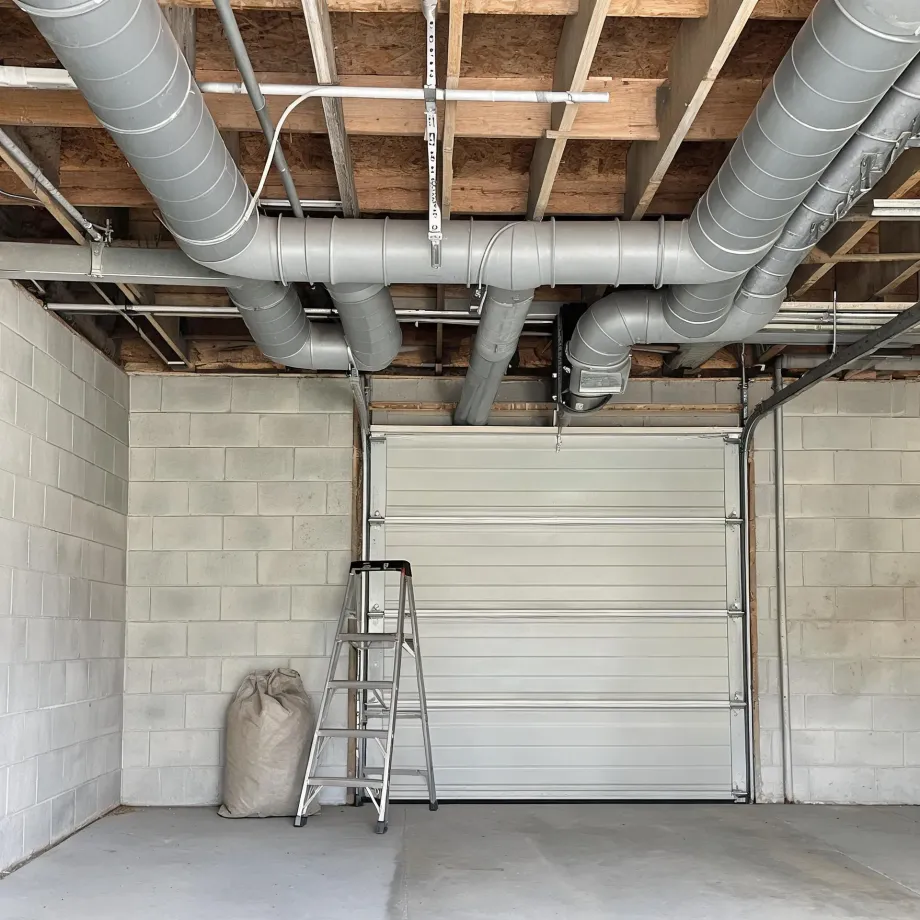
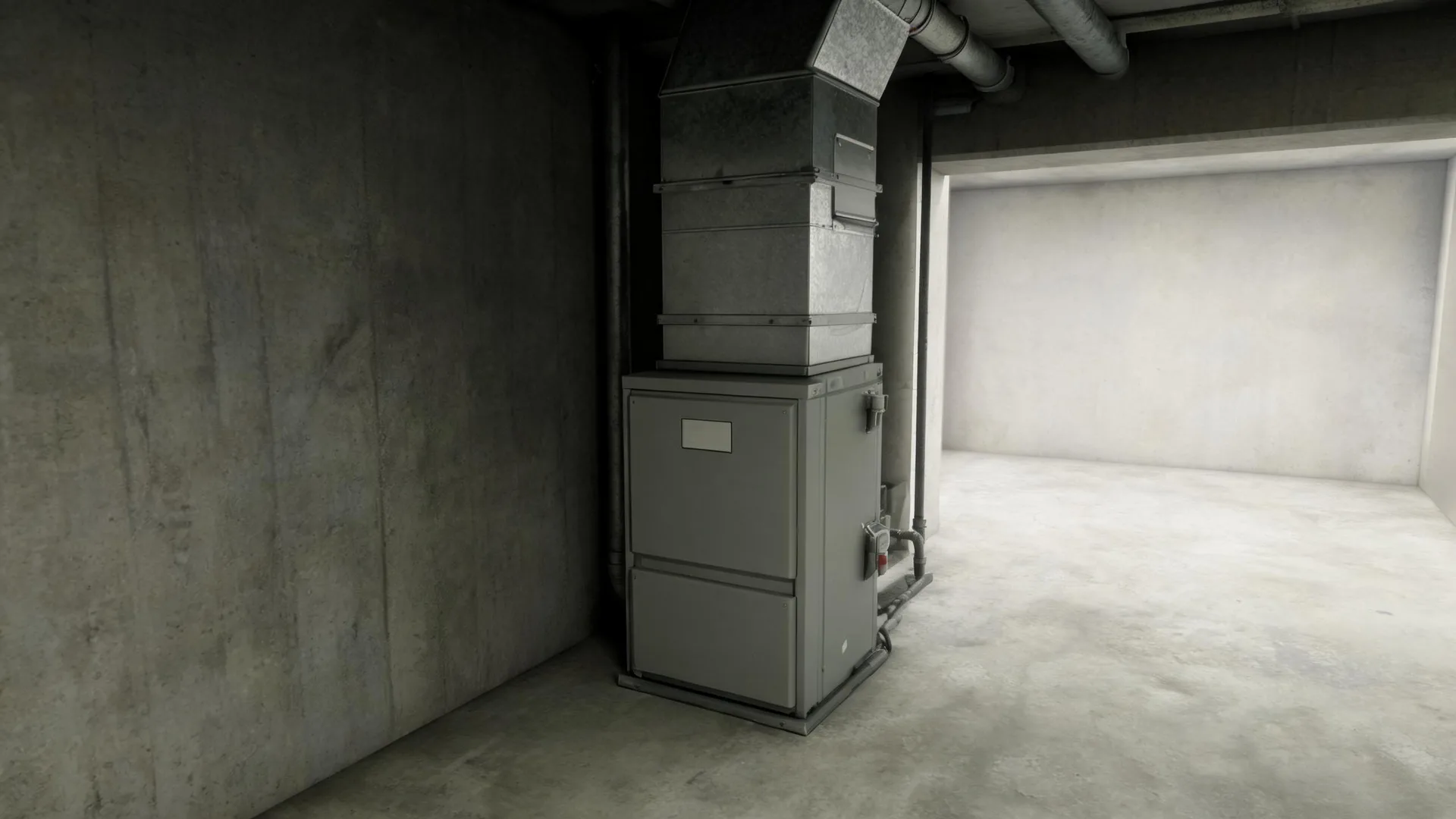
Furnaces in houses of this vintage have been repaired, patched, and kept running across enough heating seasons that what a contractor finds once the cabinet is open rarely matches what the unit's model number suggests. Discontinued parts, non-original components, and heat exchangers that have been stressed past what the original design anticipated are common findings. Half the homes in Mobile County, Alabama were built in 1980 or earlier (2020-2024 ACS 5-year). That history shapes what a repair actually costs: a contractor may open a furnace expecting a straightforward fix and find that the part it takes is no longer in production, which turns a parts swap into a sourcing problem or a broader decision about the system.
The Parts of a Furnace a Contractor Checks First
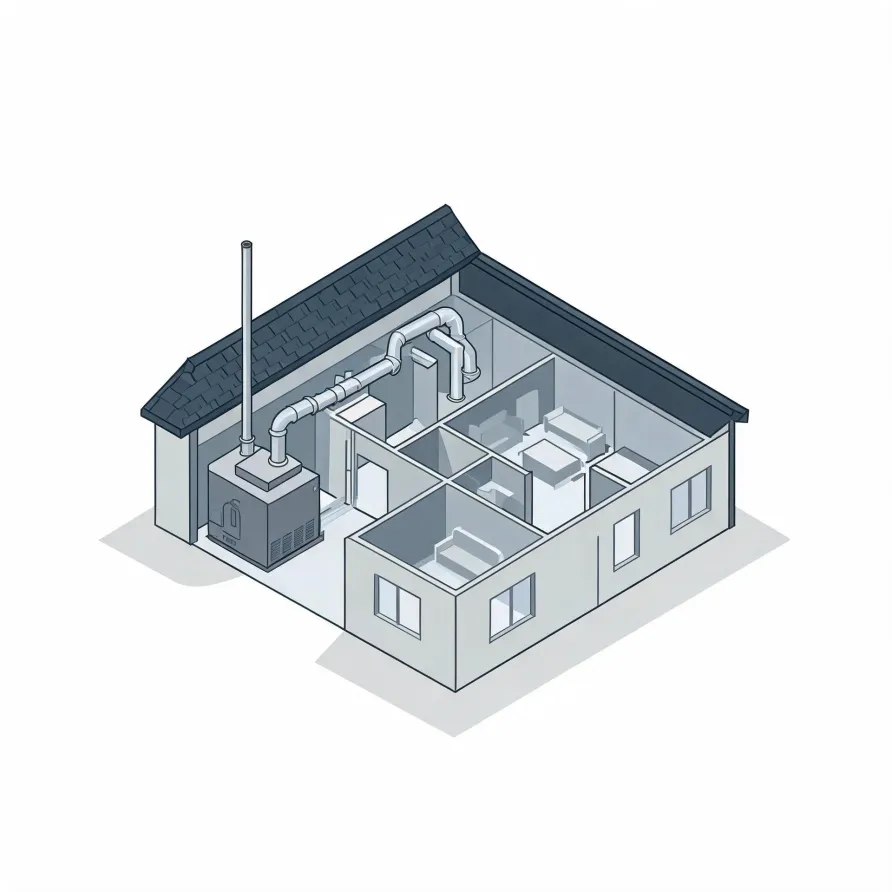
The heat exchanger sits at the core of the furnace cabinet and is the piece a contractor goes to early in a repair call. Cracks or warping there stop the furnace from doing its job safely. The burner assembly, just upstream of it, is where the fuel meets the flame, and a dirty or failing burner shows up as uneven heat or a furnace that won't stay lit.
The blower motor sits in the lower section of the cabinet and pushes conditioned air out into the house. The control board rides alongside it, reading signals from the thermostat and telling each component when to run. The flue pipe runs from the top of the cabinet to an exterior vent, and a blockage or breach there is something a contractor checks before anything else runs.
The drawing shows the general layout of a furnace system, and a licensed contractor determines which parts apply and what work is needed in your specific home.
Get matched in Mobile CountyMobile County, by the numbers
238 severe weather events were recorded in Mobile County, Alabama between 2015 and 2024.
NOAA National Centers for Environmental Information, Storm Events Database, bulk CSV export, events 2015-01-01 through 2024-12-31.Half the homes in Mobile County, Alabama were built in 1980 or earlier (2020-2024 ACS 5-year).
U.S. Census Bureau, 2020-2024 American Community Survey 5-Year EstimatesMobile County, Alabama holds 186,082 housing units (2020-2024 ACS 5-year).
U.S. Census Bureau, 2020-2024 American Community Survey 5-Year EstimatesOwners occupy 66.0% of the occupied homes in Mobile County, Alabama (2020-2024 ACS 5-year).
U.S. Census Bureau, 2020-2024 American Community Survey 5-Year EstimatesCodes & Standards Governing Furnace Repair in Mobile County, Alabama5 sourced rules and standards
What the repair visit looks like
Non-weatherized gas furnaces manufactured on or after November 19, 2015 must reach 80.0 percent AFUE.
Non-weatherized oil-fired furnaces manufactured on or after November 19, 2015 must reach 83.0 percent AFUE.
Mobile home gas furnaces manufactured on or after November 19, 2015 must reach 80.0 percent AFUE.
Non-weatherized gas furnaces manufactured on or after December 18, 2028 must reach 95.0 percent AFUE, up from the 80.0 percent minimum that applies to units manufactured before that date.
Licensing Rules for HVAC Work in Mobile County, Alabama
Alabama requires state certification to do heating, air conditioning and refrigeration contracting: nobody may advertise, bid, pull permits or do the work unless the person in responsible charge is a certified contractor.
Severe Weather Events in Mobile County
Weather puts hours on HVAC equipment. The harder a furnace works to hold temperature against what comes through, the more stress it carries into the next season, and that pattern is local to Mobile County.
238 severe weather events, 2015–2024. Source: NOAA National Centers for Environmental Information, Storm Events Database.