Tell us about the job
Takes about a minute. No obligation.
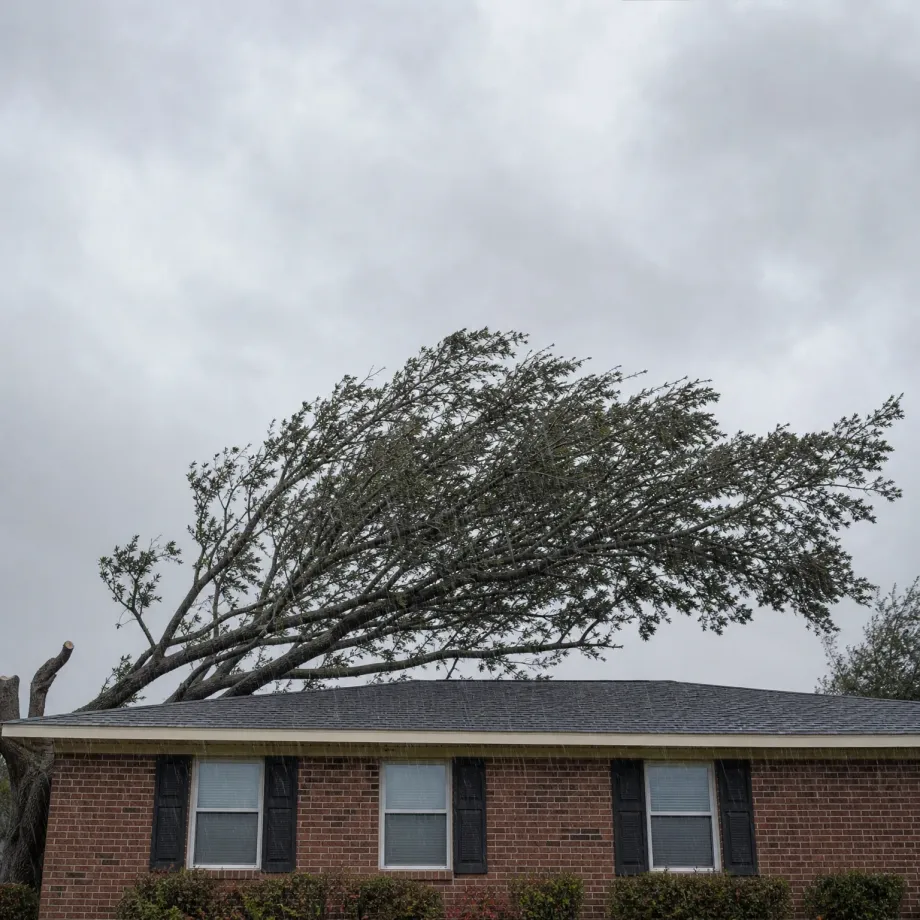
A furnace contractor quoting a repair in Macon County has to decide what actually wore the system down before they can say what the fix costs. 39 severe weather events were recorded in Macon County, Alabama between 2015 and 2024. At that rate, severe weather is an occasional event in this area, not a standing condition every system has been grinding against. A furnace that has given out here most likely gave out because of age, a neglected filter, or an installation that was never quite right. The weather is part of the picture, but a contractor who leads with it is skipping the likelier answers.
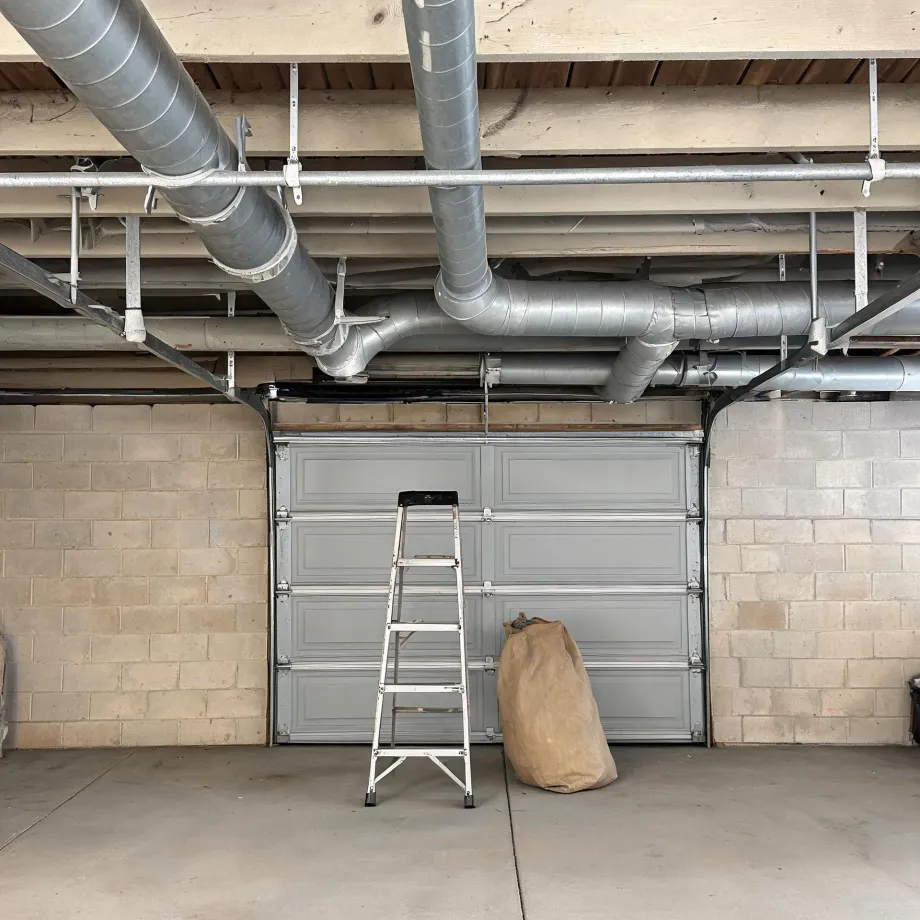
Ductwork laid in for one generation of equipment and then adapted for the next is what a contractor finds in a significant share of Macon County houses. Half the homes in Macon County, Alabama were built in 1979 or earlier (2020-2024 ACS 5-year). That gap between original construction and current equipment means a furnace repair here often hinges on parts availability. A system old enough to have been the second or third unit in a house may take components that manufacturers have discontinued, and a contractor pulling that unit apart has to confirm sourcing before a repair scope is final.
The Parts of a Furnace a Contractor Checks First
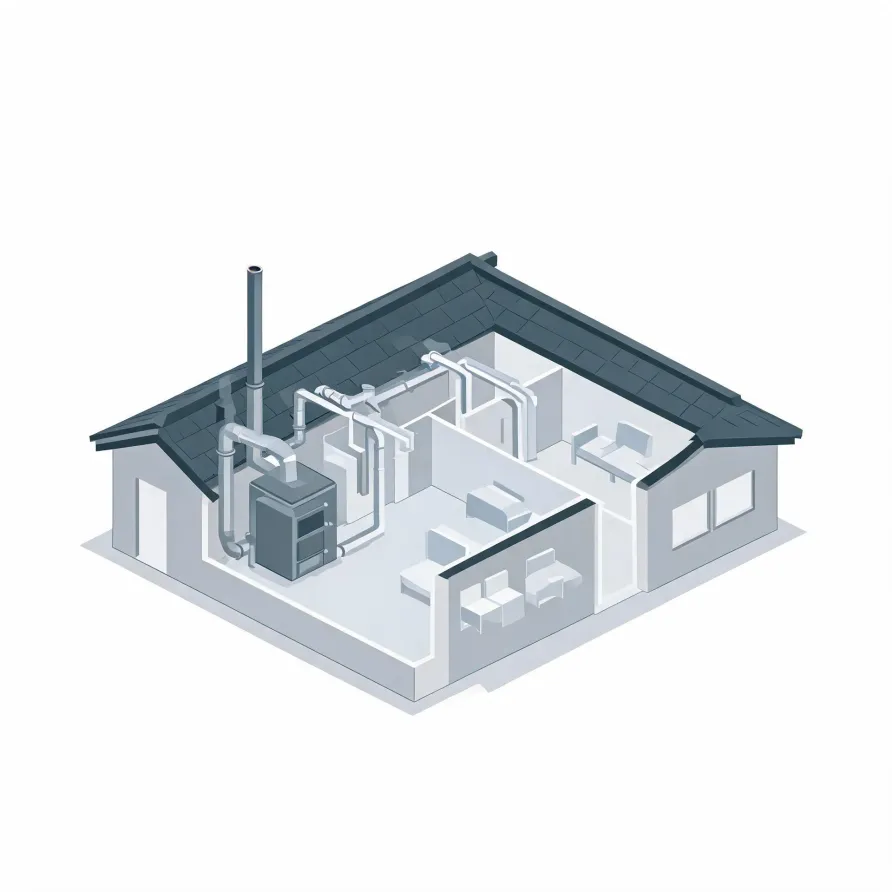
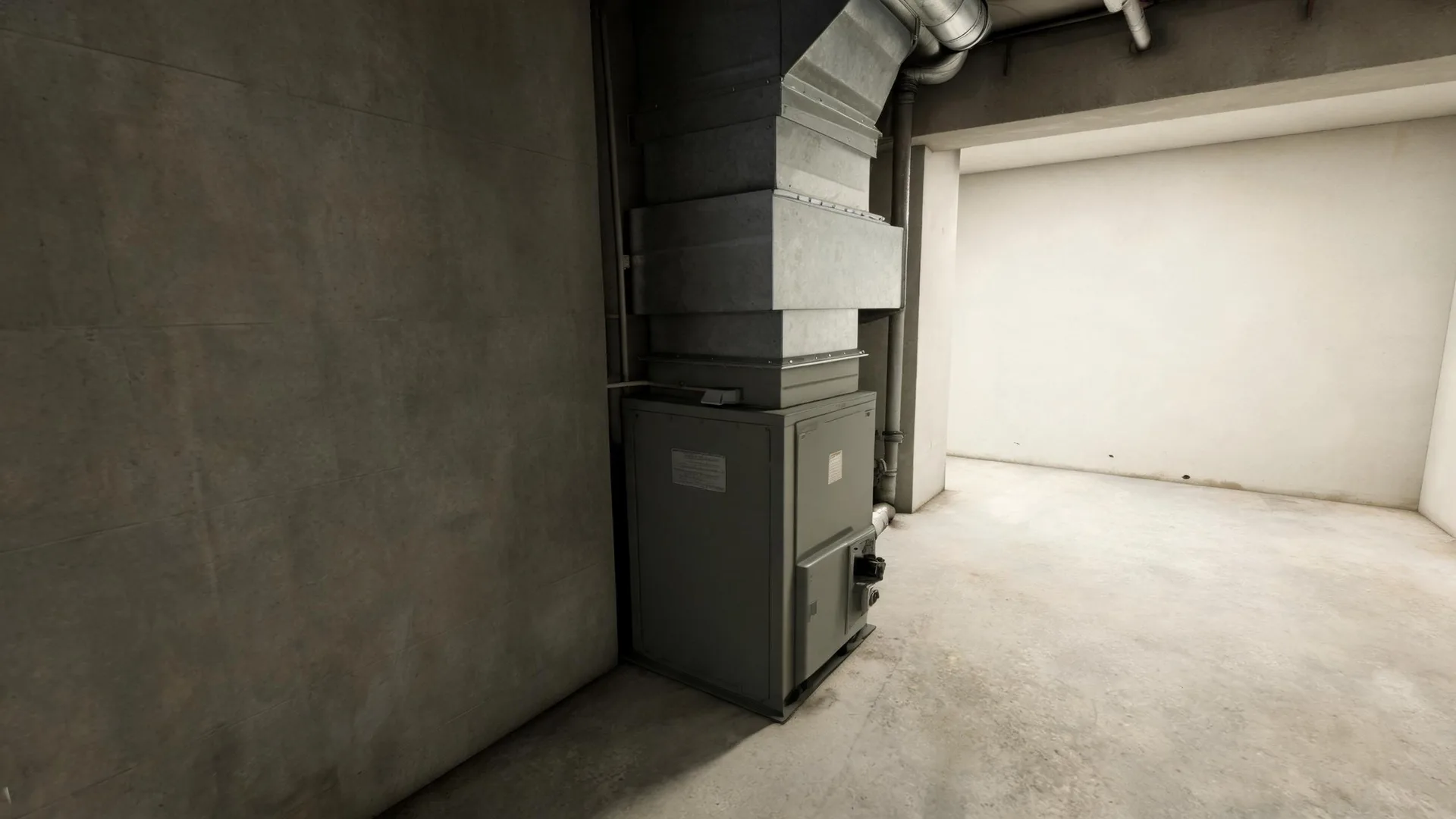
The furnace itself sits in a utility room, basement, or closet and is the piece a contractor goes to first. Inside it, the heat exchanger is the part that most often causes trouble: when it cracks, combustion gases can leak into the air supply. The burners, which sit just below the exchanger, are checked for uneven flame or buildup that disrupts ignition.
The blower motor pushes conditioned air out through the supply side and sits in the lower cabinet of the furnace. Near it, the inducer motor and the flue pipe handle exhaust, and a failed inducer is a common reason a furnace shuts itself down before completing a cycle. The thermostat, mounted on an interior wall, is where a contractor often starts because a wiring or calibration fault there can mimic a mechanical failure elsewhere.
The drawing shows the general layout of a furnace system, and a licensed contractor determines which components apply to your particular house.
Get matched in Macon CountyMacon County, by the numbers
39 severe weather events were recorded in Macon County, Alabama between 2015 and 2024.
NOAA National Centers for Environmental Information, Storm Events Database, bulk CSV export, events 2015-01-01 through 2024-12-31.Half the homes in Macon County, Alabama were built in 1979 or earlier (2020-2024 ACS 5-year).
U.S. Census Bureau, 2020-2024 American Community Survey 5-Year EstimatesMacon County, Alabama holds 9,653 housing units (2020-2024 ACS 5-year).
U.S. Census Bureau, 2020-2024 American Community Survey 5-Year EstimatesOwners occupy 61.5% of the occupied homes in Macon County, Alabama (2020-2024 ACS 5-year).
U.S. Census Bureau, 2020-2024 American Community Survey 5-Year EstimatesCodes & Standards Governing Furnace Repair in Macon County, Alabama5 sourced rules & standards
What happens when a contractor comes out
Non-weatherized gas furnaces manufactured on or after November 19, 2015 must reach 80.0 percent AFUE.
Non-weatherized oil-fired furnaces manufactured on or after November 19, 2015 must reach 83.0 percent AFUE.
Mobile home gas furnaces manufactured on or after November 19, 2015 must reach 80.0 percent AFUE.
Non-weatherized gas furnaces manufactured on or after December 18, 2028 must reach 95.0 percent AFUE, up from the 80.0 percent minimum that applies to units manufactured before that date.
Licensing Rules for HVAC Repair in Macon County, Alabama
Alabama requires state certification to do heating, air conditioning and refrigeration contracting: nobody may advertise, bid, pull permits or do the work unless the person in responsible charge is a certified contractor.
Severe Weather Events in Macon County
Hard weather puts real hours on a furnace. Every pressure swing, power surge, and temperature extreme that moves through Macon County asks something of the heating equipment in every home, and that wear accumulates in ways a local contractor sees firsthand.
39 severe weather events, 2015–2024. Source: NOAA National Centers for Environmental Information, Storm Events Database.