 Get matched
Why your furnace ignitor keeps failing in Alabama
Describe your furnace job, and a local pro who handles it gets in touch.
Most homes in Alabama heat with electricity, which usually means an electric ignitor instead of a standing pilot. That ignitor is a thin strip that heats up and glows to light the gas, and it is the part that fails more than any other in a furnace. If yours has failed once, it is worth knowing why it keeps happening instead of just swapping the part again.
An ignitor that fails over and over is rarely bad luck. It is usually a sign of something else making it work harder than it should, a crack from age, a draft problem in the furnace, or power to the unit that is not steady. Replacing the ignitor fixes the symptom for a while. It does not fix what is wearing it out.
Power in Alabama costs more than in a lot of the country, and a furnace that keeps cycling because of a bad ignitor is spending electricity without heating the house. That adds up over a winter, even a short one.
Figuring out which of these is actually happening in your furnace takes someone who has opened up more than a few of them. A contractor who works on heating equipment in Alabama every season has seen this pattern before and knows what to check first, rather than guessing room by room what might be wrong.
When you ask for help here, you are matched with one contractor local to you, licensed, who takes on the job directly. Not a handful of companies competing for your number, just the one who will actually look at your furnace and tell you what's going on with it.
Your ignitor can be replaced again. Whether it fails a third time depends on what's found this time.
Why does my furnace ignitor keep failing?
You've already replaced this ignitor once, maybe twice, and it keeps burning out again before winter is even over. That gets expensive and it leaves you without heat on the nights you need it most, trying to keep the house warm for everyone in it. There's usually a reason one furnace eats ignitors while the neighbor's lasts for years.
An ignitor that keeps failing usually means something else is stressing it each time it heats up
An ignitor is built to glow and cool down thousands of times over its life, so one going out eventually is normal. One failing every few months is not. Usually the cause is a power problem, a crack from handling it with bare fingers during a swap, or a furnace that's short cycling and forcing the ignitor to heat up far more often than it should. In Alabama, where furnaces run on electric ignition and power can spike or sag during storms, that electrical stress is a common reason the part keeps burning out instead of lasting the years it's supposed to. Until whatever is stressing it gets fixed, a new ignitor just buys you a few more months.
A local pro for your furnace repair
Your request goes to one pro, not a list of companies.
Say what's going on with your furnace, and a pro who works on them reaches out.
Sending the form costs nothing.
Winter nights average 36°F statewide
Nights here only get down to about 36°F on average in winter, so your furnace isn't running flat out for months like it would further north. It cycles on and off a lot instead, and every cycle fires that ignitor fresh. That start-stop pattern wears it out faster than steady use would.
NOAA nClimDiv 1991-2020 county normals weighted by homes

An ignitor that keeps failing usually means something else is making it work harder
When an ignitor burns out again and again, it's rarely bad luck. Something is forcing it to cycle more than it should, or putting more strain on it each time it fires. A cracked ignitor, a dirty flame sensor, a furnace that short-cycles because of a thermostat or airflow problem, any of these will take out a new ignitor just as fast as the old one. Replacing the part alone doesn't fix what's wearing it down.
For your household, that shows up as heat that cuts out on a cold night, not a slow decline you can plan around. A local contractor who works on furnaces all winter in Alabama has seen this pattern before and knows what else to check beyond the ignitor itself. You'd be matched with one contractor, not several, someone who can look at the whole system instead of guessing at the one part.

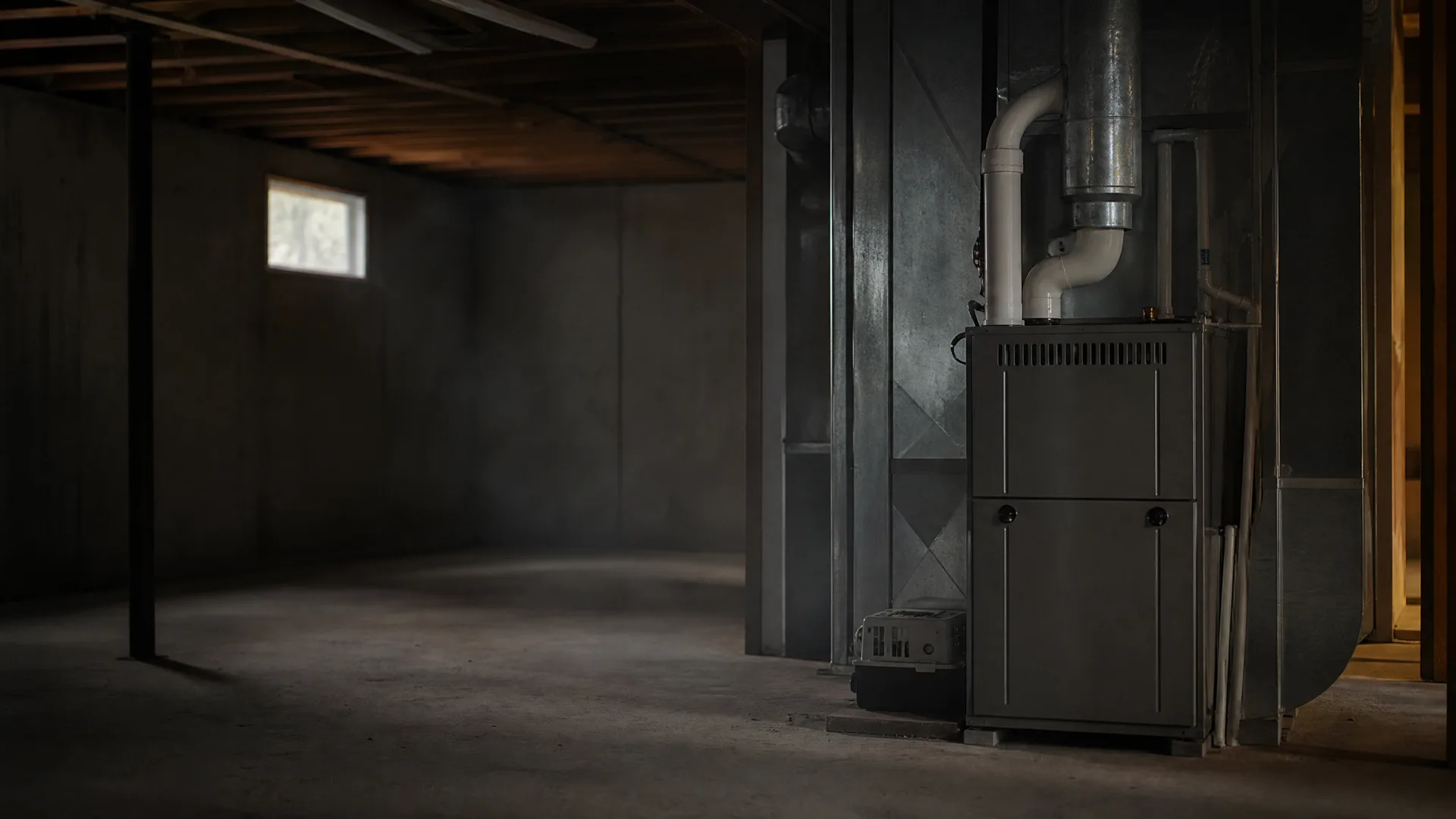
It's a little after six on a November evening, already dark outside, and the basement is colder than the rest of the house. You went down to check on a smell, or a sound, or just because the air upstairs wasn't warming up. The furnace sits there dark. No hum, no glow at the igniter, nothing. A thin haze of dust hangs in the beam of your phone light, stirred up from the cabinet you just opened. You check it again like it might have changed. Upstairs, someone's asking if it's fixed yet. You already know what this is, because it's happened before. The igniter again.
A furnace ignitor that fails more than once is telling you something about how the system runs, not just about that one part. In Alabama, mild winters mean short, frequent cycles, and every one of those cycles asks the ignitor to fire again. If it keeps burning out, that pattern is still at work somewhere in the system. Getting it looked at by someone who services furnaces in Alabama all winter, and knows how that short-cycling pattern wears on an ignitor here, is different from a repair call that just swaps the part again. When you request a repair through this page, you're matched with one licensed local contractor, not a handful of companies calling you back. That contractor can look at the ignitor and at what's driving it to fail, so you're not back here again next winter wondering why the heat went out on a cold night.
Furnace Repair
Get the right pro for your furnace

- Tell a local repair pro what your furnace is doing.

- Once you send the form, finding a pro is off your list.
- After you send the request, you're done searching.

- Answer a few questions instead of calling shop after shop.
- Describe your furnace job once, to one pro.

- Only one pro gets your request, so you hear from one company.
- Your request stays with one local pro.