

Filter swap, five minutes
If the whistle stops once the filter's changed, that's the whole job. No repair needed, no call to make, no further checking required.
Tell a local repair pro what your furnace is doing.
Connect with a proA whistling sound from your furnace usually shows up right when you need the heat most, and with most homes in Alabama running on electric heat, you're probably wondering if this is something that will push your power bill higher or leave you without heat on a cold night. You want to know what's causing it before it turns into a bigger repair.
That whistle is air moving fast through a space too narrow for it. Most often it's a dirty filter choking off airflow, so the blower pulls harder and the air screams through the gap around it. It can also come from a closed or blocked supply vent, a duct joint that's come loose, or a return that's too small for the system pushing air through it. The sound itself isn't dangerous, but what's causing it makes your blower work harder than it should, and that shows up on your electric bill. Left alone, the same restriction that causes the whistle can strain the blower motor over time. Checking the filter first is free. If the whistle continues with a clean filter, the restriction is somewhere else in the system.
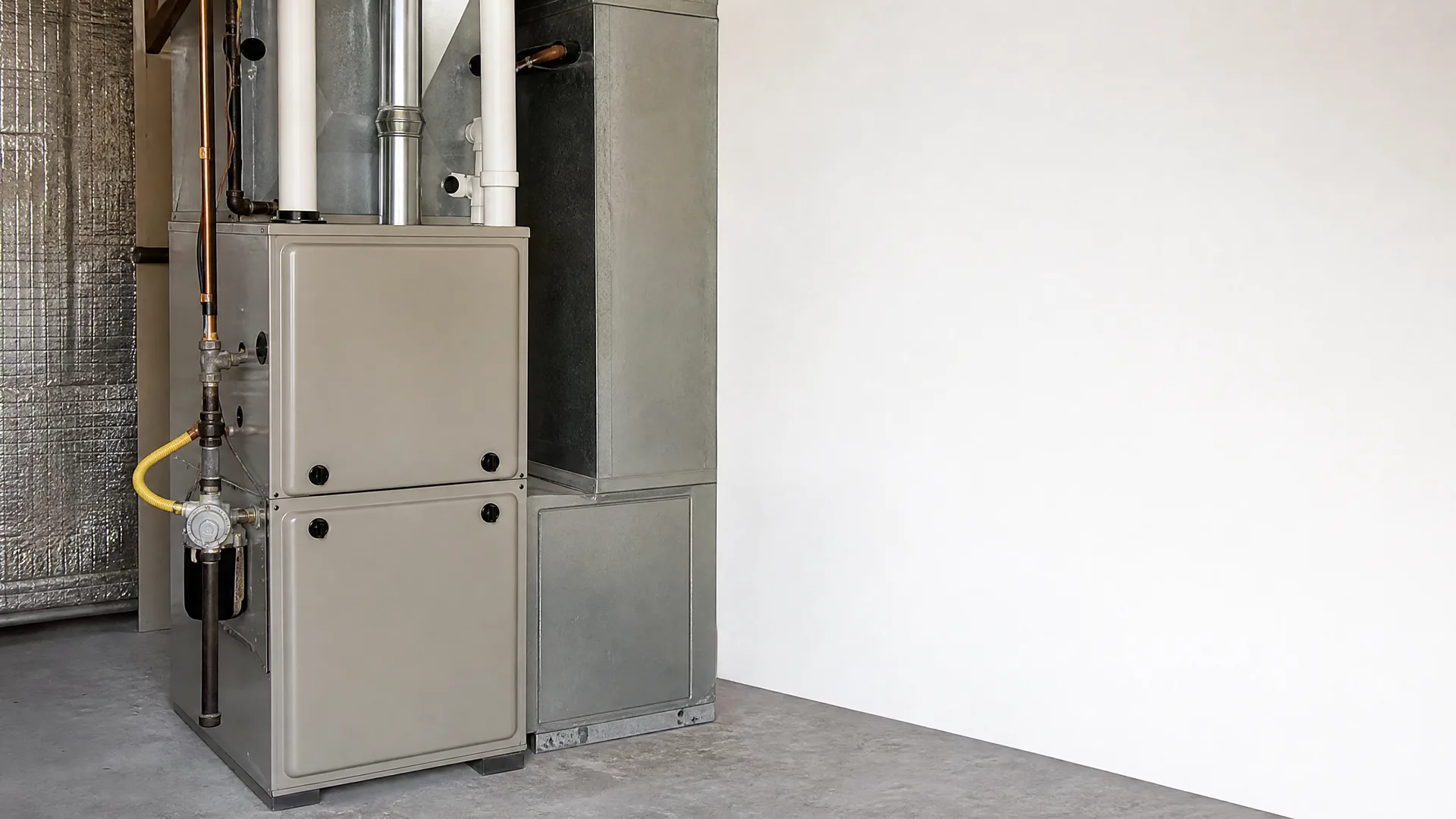
A high, thin whistle near the furnace or coming from a vent is almost always air trying to squeeze through a space too small for it. A clogged filter is the most common cause. Dust and lint build up across the filter until air has to push through the little gap that's left, and that's the sound you hear. A filter that hasn't been changed in a while is worth checking first, before anything else.
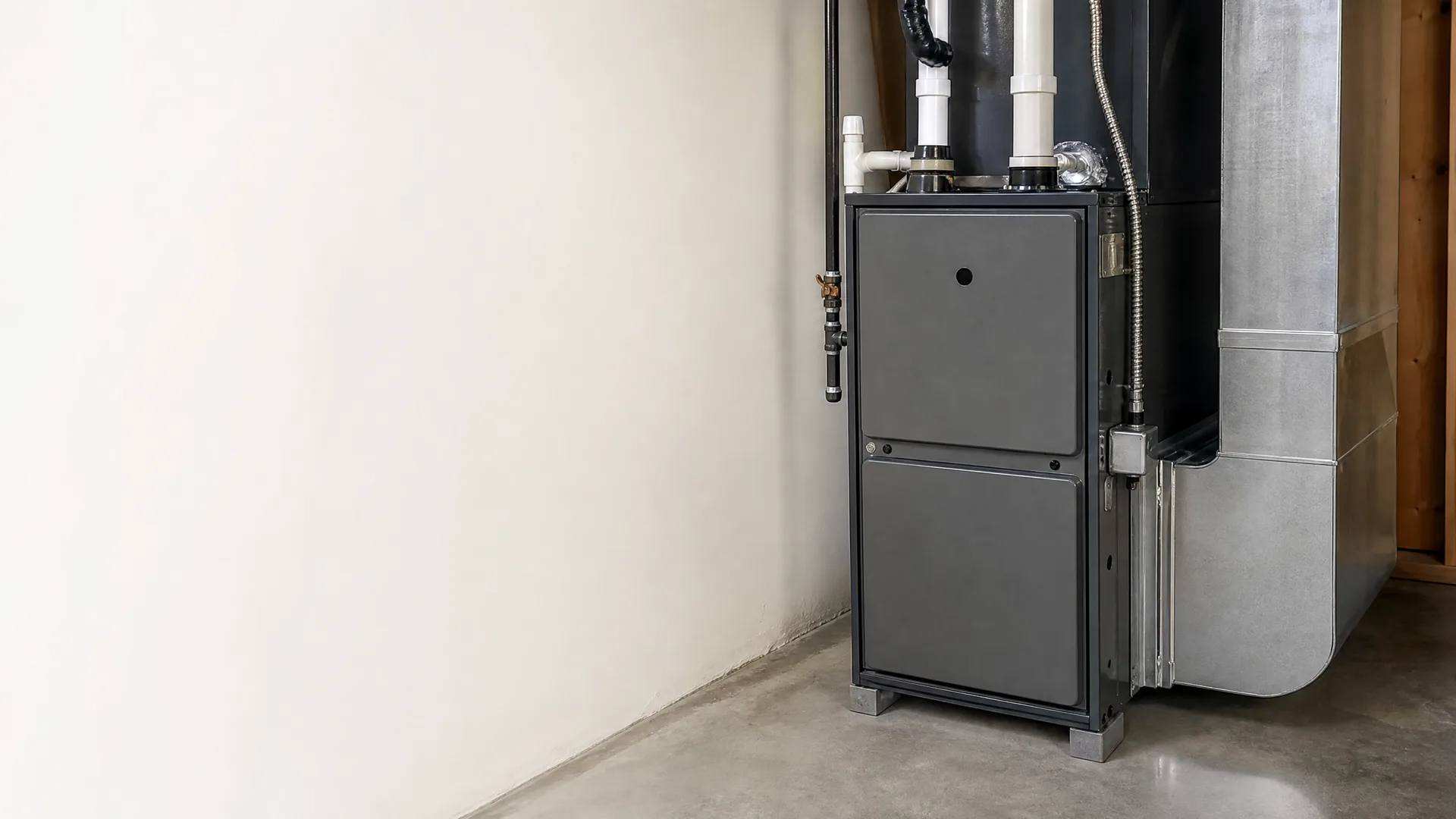
If the filter looks fine, the whistle can be coming from a duct joint that's worked loose, or a return vent that's partly closed or blocked by furniture. Electric furnaces push air through the same ductwork as any other system, so a gap or a narrow spot anywhere in that path can whistle. The sound tells you air is moving where it shouldn't, not how serious the cause is, which is why it's worth having someone look at it.
You might hear it most when the furnace first kicks on, or notice it gets louder the longer the system runs. Sometimes it fades when you walk closer to a vent, which tells you that's where the sound is coming from. You may also feel weaker airflow at the registers than you're used to, or notice a room or two staying colder than the rest of the house. Left alone, a restricted filter makes the furnace work harder to push air through, and that shows up on your power bill before it shows up as a bigger repair. With electric heat already costing more to run in Alabama, a whistle worth checking now is cheaper than one ignored all winter.
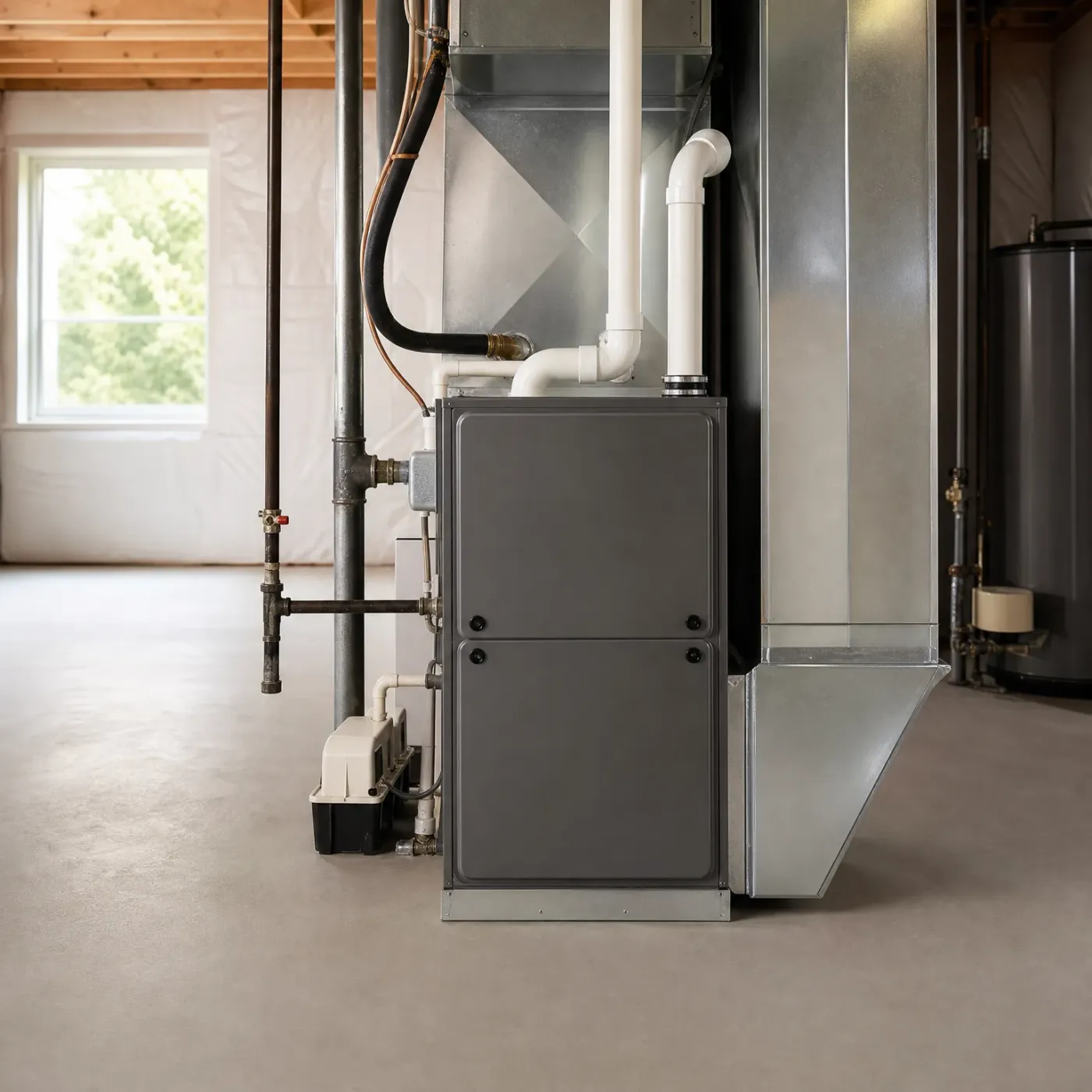
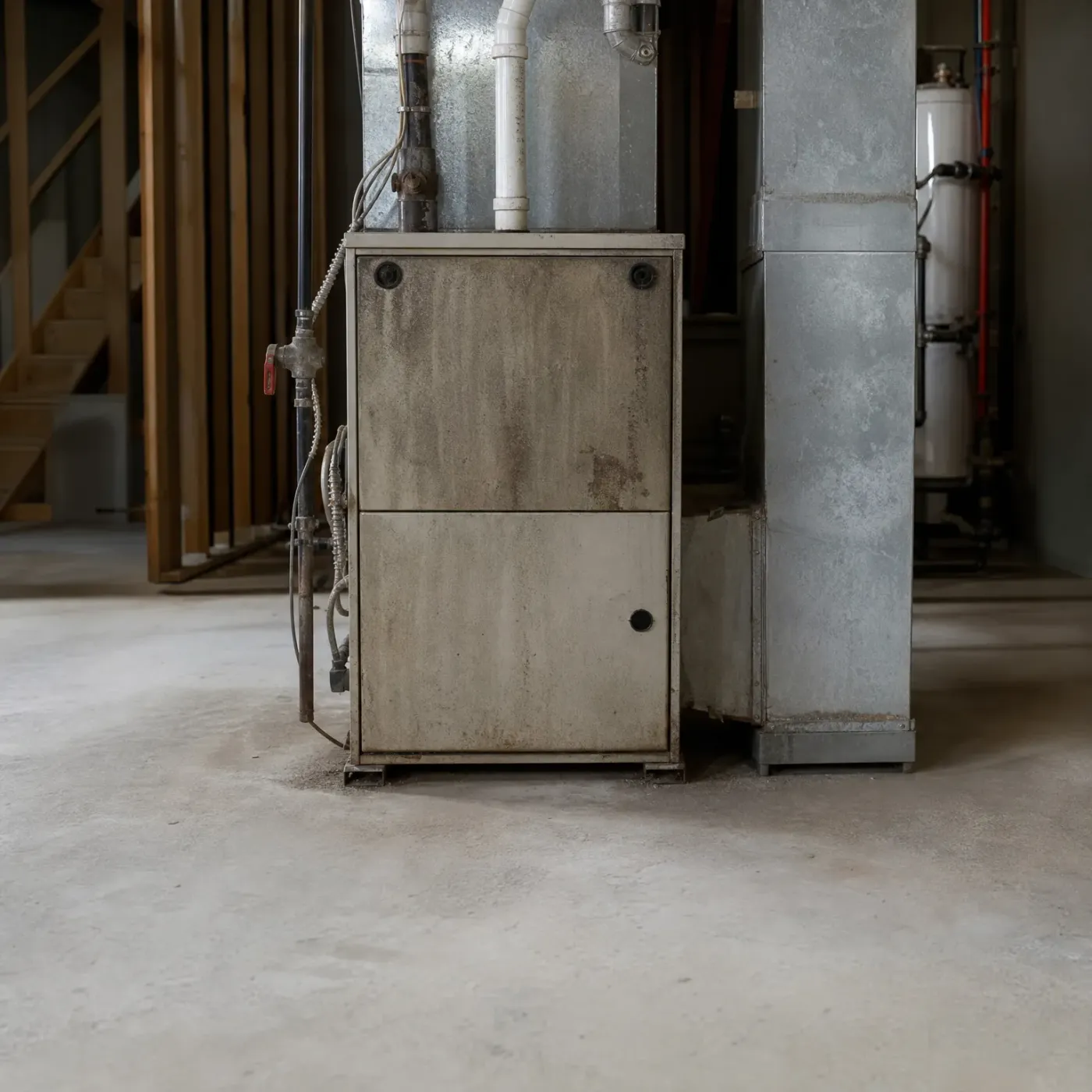
Inside the air handler, a blower wheel pulls air across the heating element and pushes it down the supply ducts to every room. That wheel is balanced to move a set volume of air, no more and no less. When the filter clogs or a return vent gets blocked by furniture, the blower doesn't just slow down. It spins at the same speed but pulls against a narrower opening, and the air speeds up to force its way through. Fast air moving through a tight gap is what makes the sound, the same reason a whistle works when you blow through a narrow slot instead of an open tube. The pitch you hear usually points to where the gap is. A whistle right at the furnace cabinet often means the filter slot or the panel seam. One coming from a single room's vent usually means that vent's damper is mostly shut, or something is pressed against the grille cutting off most of the opening.
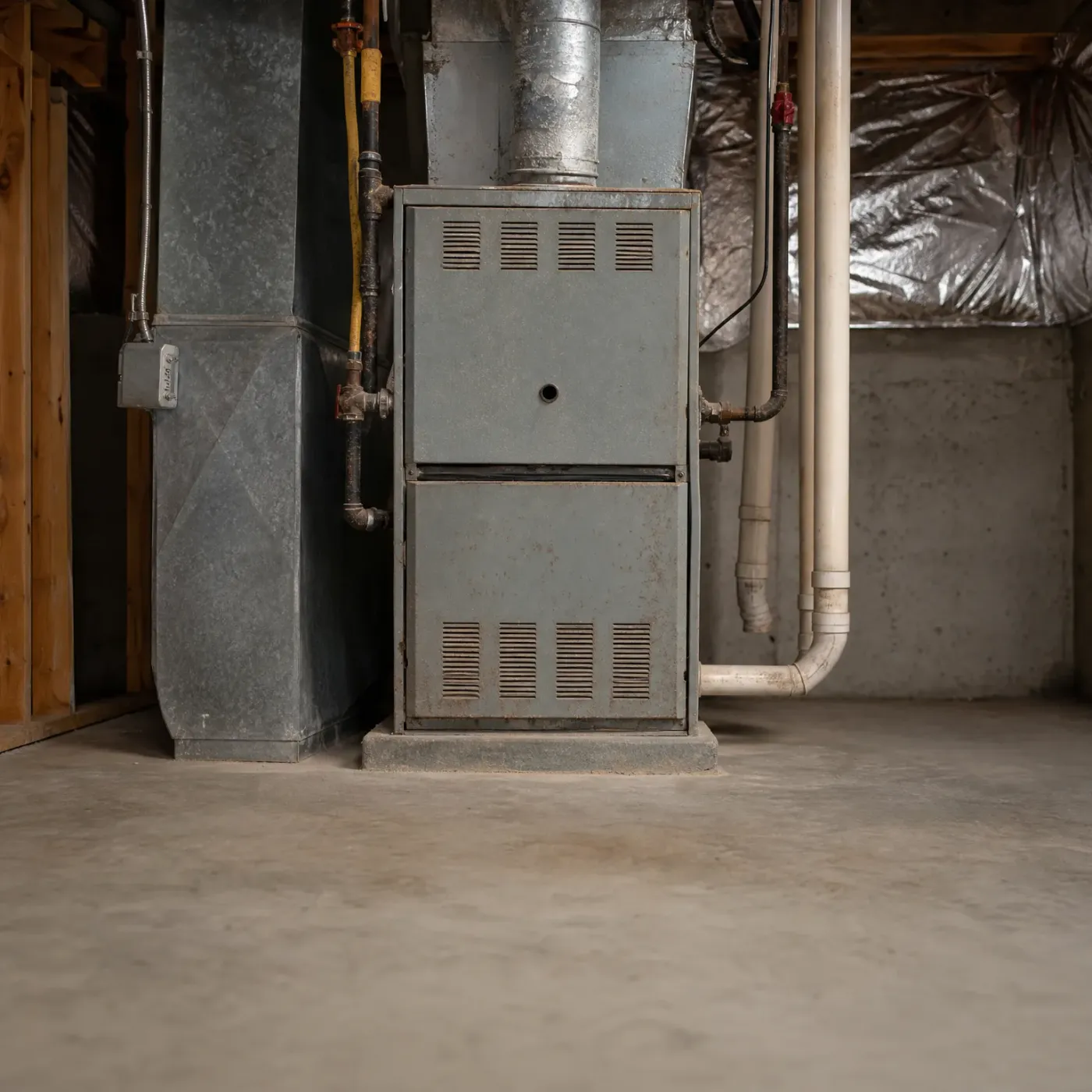
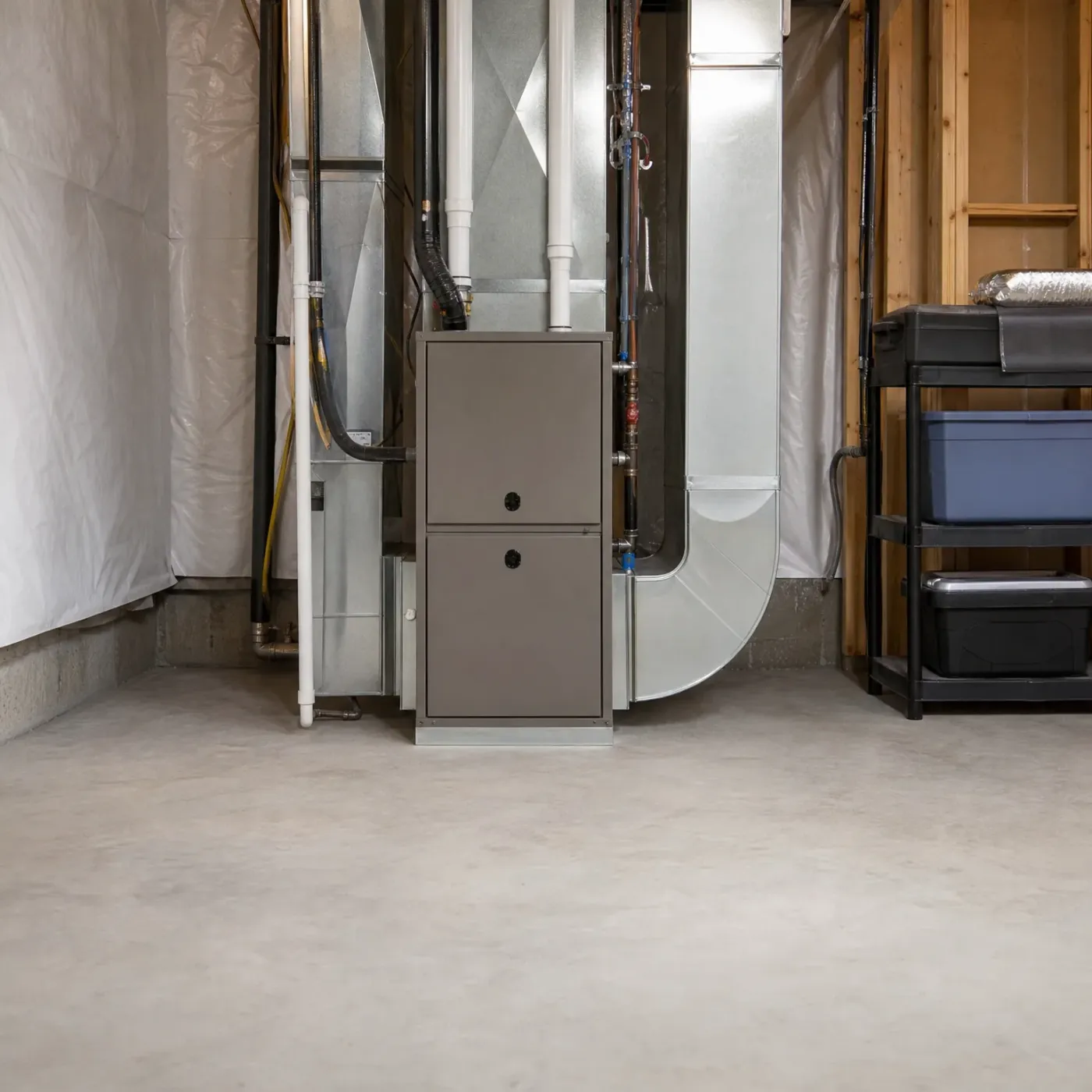
A whistling furnace is not something to just turn up the thermostat on and ignore, especially when electric heat is running the bill all winter. Figuring out whether it is a filter, a blocked return, or something further into the blower takes someone who can open the unit and look. That usually means calling a few repair companies, describing the sound over the phone, waiting on callbacks, and then weighing quotes that don't always add up to the same job. You can hand that off instead. Answer a few questions about what you're hearing and when, and a contractor who works on furnaces in your area gets in touch with you directly. No sorting through listings, no repeating yourself to three different offices, no guessing which company actually has time for a whistling furnace this week. You still have a furnace making noise it shouldn't make. What changes is whether you spend your evening tracking down someone to look at it.
A filter changed on schedule costs you a few minutes and whatever a new filter runs. You check it, you see it's dirty or it's not, and you move on with your day.
A blower wheel running dirty for months costs you more in electric heat all winter and more to fix once it's straining. The whistle was telling you earlier, before it got to that point.




If the whistle stops once the filter's changed, that's the whole job. No repair needed, no call to make, no further checking required.
That points further into the system, past where you can see. Someone needs to check the blower and the return vents before electric heat runs you higher all winter.
On a 36°F night your furnace is running close to the whole time, not cycling on and off. A whistle that shows up under that kind of steady load is easy to miss as "just the cold snap" when it's actually air fighting past a clog.
NOAA nClimDiv 1991-2020 county normals weighted by homes
A whistling furnace has a straightforward cause almost every time: air pushing through a gap that's too narrow for it. Most often that gap is a dirty filter. Check it first. If the furnace quiets down once you put in a clean one, that's the end of it. No further step, no repair, no need to keep listening for it on cold nights.
If the whistle keeps going with a clean filter in place, the air is getting squeezed somewhere past it, in the blower or at a return vent that's partly blocked. That's not something you can fix by swapping a part at the hardware store. It takes someone opening up the system to see where the air is actually fighting to get through.
On a night in the 30s, your furnace is running close to nonstop to keep up, not cycling like it would on a mild evening. A blockage that would barely register in October gets dragged through that system for hours on end. With electric heat, every one of those hours shows up on the bill, and a blower straining against a clog for weeks or months works harder than it was built to, which is how a small fix turns into a bigger one.
Once you know whether this is a filter problem or something further in, a contractor can confirm it and handle whatever it turns out to be.


A furnace pro near you
Answer a few questions instead of calling shop after shop.