Profile view of a bearded man wearing a black baseball cap and a dark gray T-shirt against a plain light background.

Why your house is dry with the heat on in Alabama

Step 1 of 3: Equipment

Cold outdoor air holds very little moisture, and once your furnace heats it, the relative humidity in your house drops even though nothing inside is actually drying it out. Most homes in Alabama heat with electric furnaces or heat pumps, and that heated air pulls moisture from your skin, your wood floors and trim, even the air itself, because warm air wants to hold more water than it has. The furnace isn't broken. It's just what forced air does to a house once the thermostat climbs. You'll notice it as static shocks, dry skin, a scratchy throat in the morning, cracks showing in wood furniture. A tight duct system and a clean furnace won't eliminate this, but a leaky one makes it worse, since outside air gets pulled in to replace what's escaping, and that air is even drier. If the dryness feels sharp or sudden, it's worth having the system checked rather than just living with it.

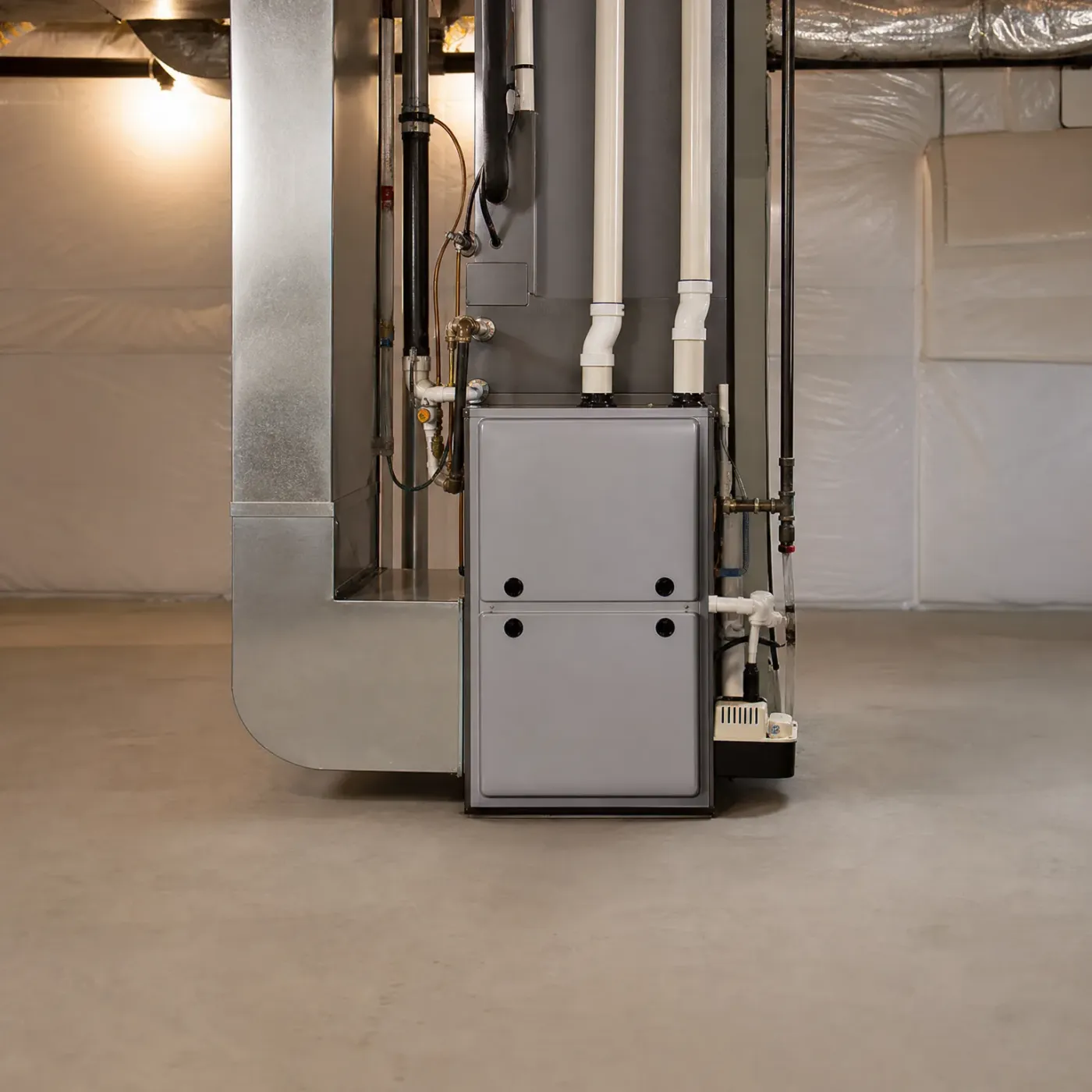
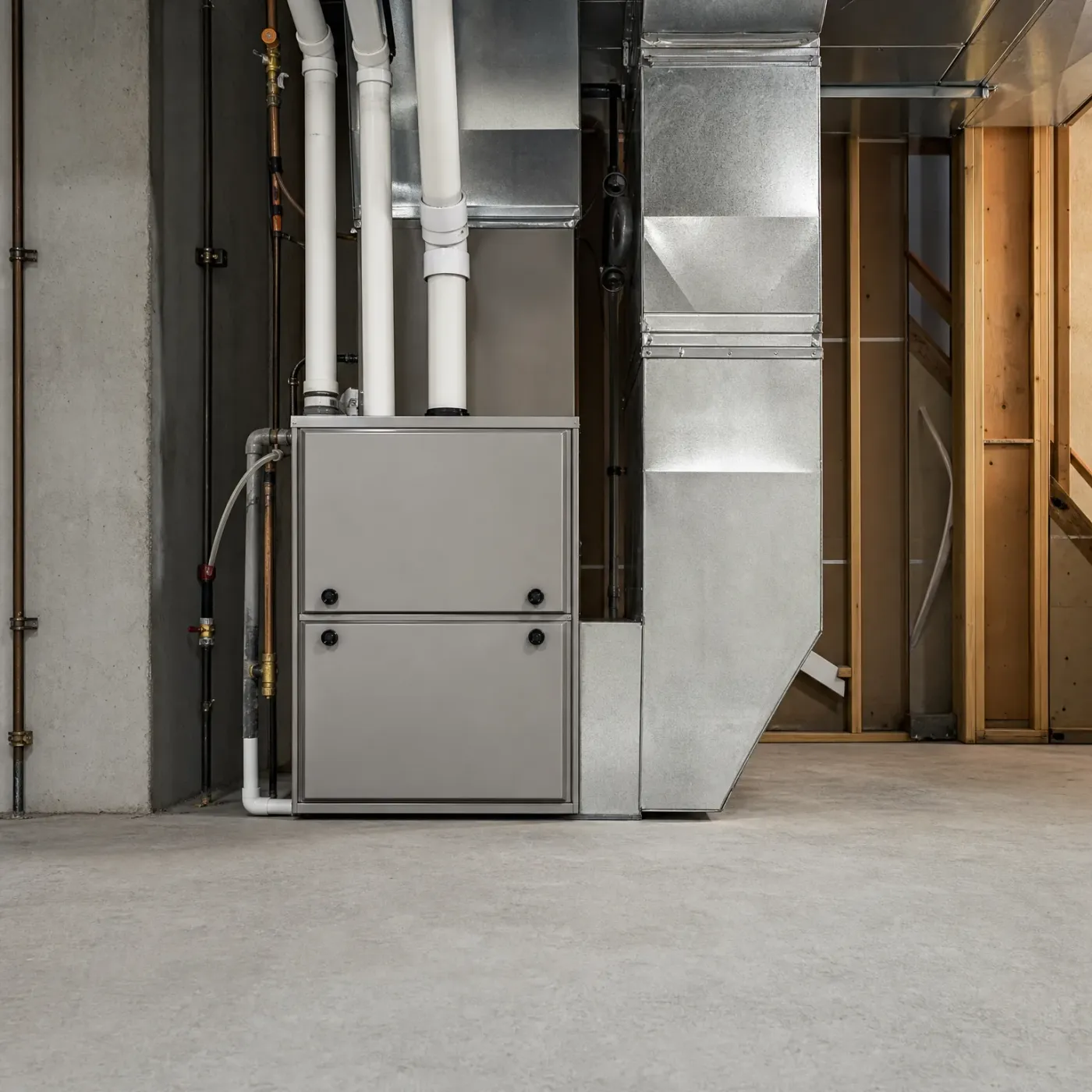
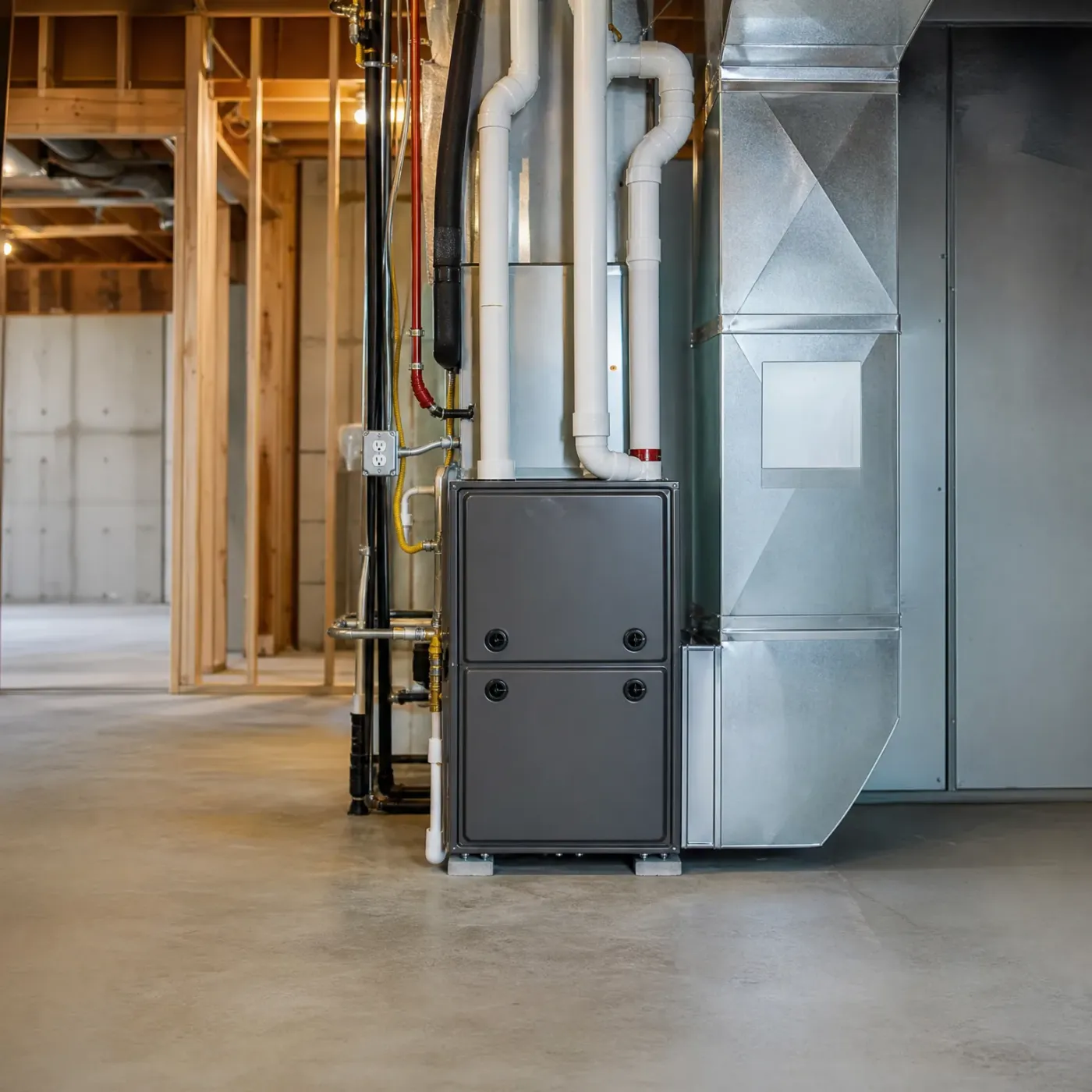
A gray high-efficiency furnace stands on a concrete basement floor beside galvanized sheet-metal ductwork, with white PVC vent pipes, gas and water lines, and unfinished wood framing behind it.
Heat exchanger and burners cycle normally, warming the air without adding any moisture back into it.
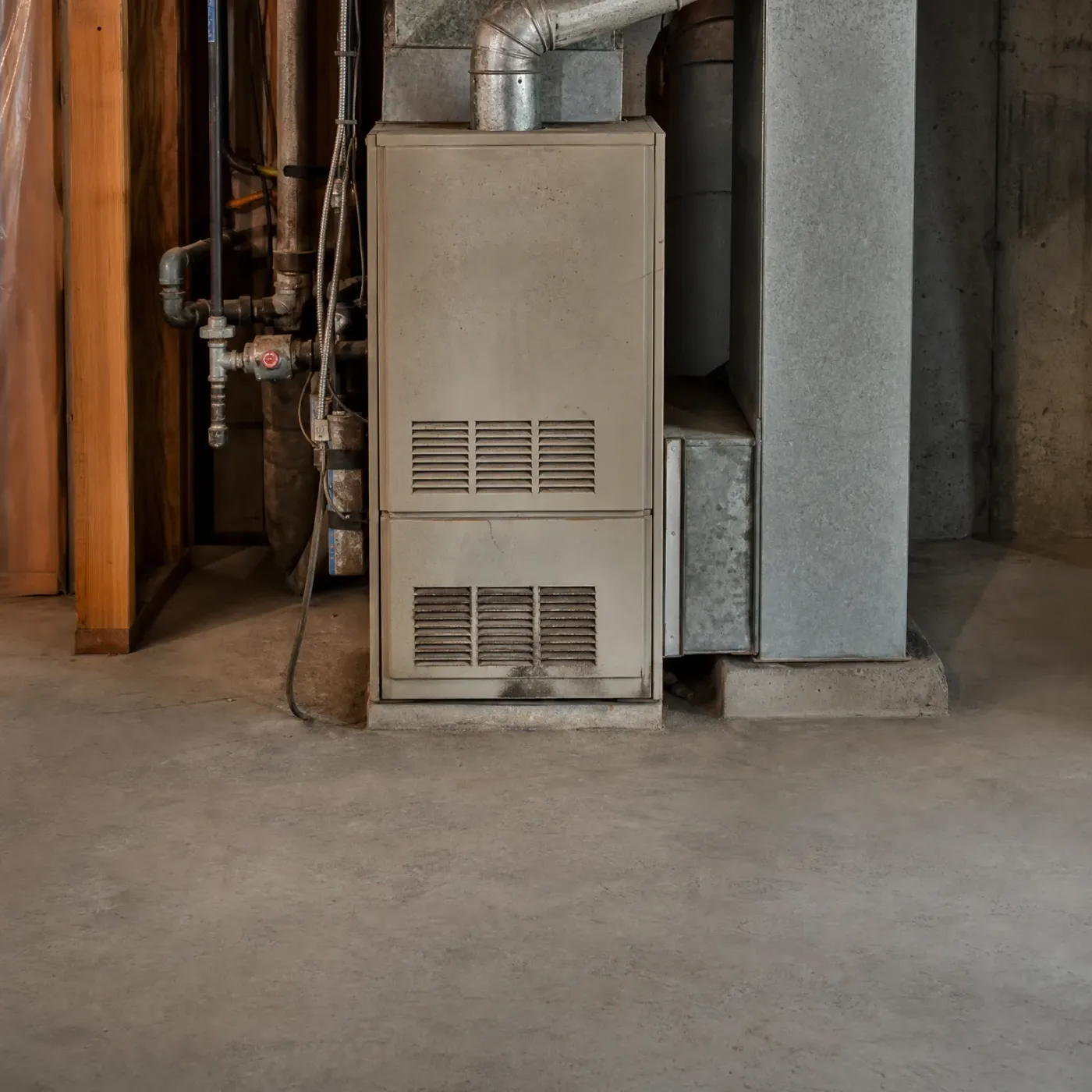
A beige furnace with two louvered front panels stands on a concrete basement floor beside galvanized ductwork, metal pipes, and a wooden post.
A cracked exchanger or sooted burners can mean a bigger repair than dry air alone.

Humidifier or No Humidifier

Running a humidifier

  • A whole-house humidifier mounted on your furnace adds moisture to the air as it's heated, so the dryness never sets in.
  • It needs a water line and a drain, and the pad inside should get checked so it doesn't build up scale or mold.
  • Set too high, it can fog your windows or leave moisture inside the walls, so the setting matters.
  • A contractor who services furnaces in Alabama all winter can tell you what humidity setting works for your house without causing condensation.
  • It's one more thing on the furnace that needs a yearly look, same as the igniter or the blower.

Living with the dry air

  • No equipment to add or maintain, and no setting to get wrong.
  • Static shocks, dry skin, and cracked wood furniture are common complaints once your furnace runs through a cold snap.
  • A dry house can make a thermostat setting feel colder than it reads, so you run the furnace more to feel warm.
  • Houseplants and wood floors can suffer over a long stretch of dry heat with nothing offsetting it.
  • Once summer humidity comes back, the problem goes away on its own until the next cold spell.
  1. Cold outside air carries only a small amount of moisture.

  2. Your furnace pulls that air in and heats it up.

  3. Heating the air lowers its relative humidity sharply.

  4. Dry air circulates through your ducts into every room.

A smiling man with dark curly hair in a navy t-shirt sits on a gray couch indoors, with a large-leafed plant and a window in the background.
A bearded man in a plaid flannel shirt stands in a kitchen looking out a window toward snow-covered shrubs, with a steaming mug on the windowsill and potted plants on a shelf behind him.

Send one request and you're done looking

A furnace that cycles too long or too often because of a dirty flame sensor or a clogged filter pulls in more cold outside air than it should, and that means drier air in every room. The dryness itself isn't a repair, but what's driving the furnace to run that hard usually is. A technician who services furnaces around Alabama every winter knows what to check first, because it's the same handful of parts that wear out here. Send the request and it goes to one licensed local contractor, not a handful of companies competing for your callback. Someone who already knows what Alabama furnaces run into this time of year takes it from there, and you're not the one chasing down who can fit you in.

A smiling man in a gray long-sleeved shirt stands in a kitchen looking to the side, with open shelves of dishes, a white mug on the counter, a potted plant, and a view through a doorway into a living room.
A smiling bearded man in a green sweater sits at a white marble kitchen island with a mug, potted plant and bowl of fruit, in a bright white interior with open shelving and an arched doorway.
A smiling man with dark curly hair and a beard, wearing a dark green knit sweater, stands at a white marble kitchen counter with a dark blue mug, with open shelving, pendant lights and a houseplant behind him.
A smiling man in a green ribbed sweater stands behind a wooden table holding a ceramic mug of coffee in a kitchen with white subway tile, shelves of potted plants, and a bowl of fruit.
A gray high-efficiency furnace in a basement with white PVC vent pipes, sheet-metal ductwork, copper and black piping, a condensate pump, and insulated walls above a concrete floor.

Normal operation

This furnace cycles on, warms the air, and shuts off. The ductwork carries that heat through the house, and the drain lines clear the condensate the way they should. Dry air is the only side effect here, and a humidifier handles that.

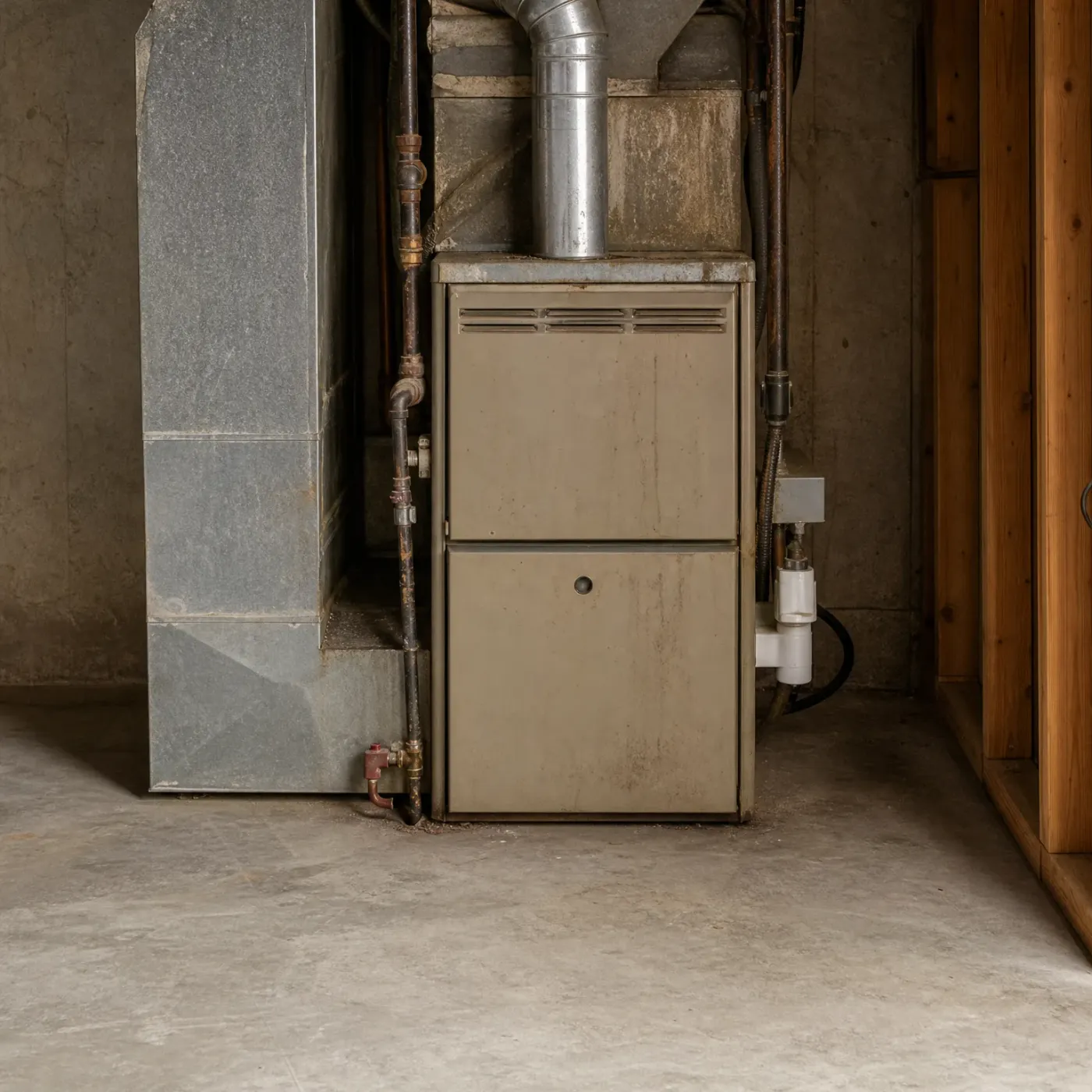
A beige residential furnace stands on a concrete basement floor beside galvanized sheet-metal ductwork, a round flue pipe, copper gas piping, and a PVC condensate line, with a wood-paneled wall at right.

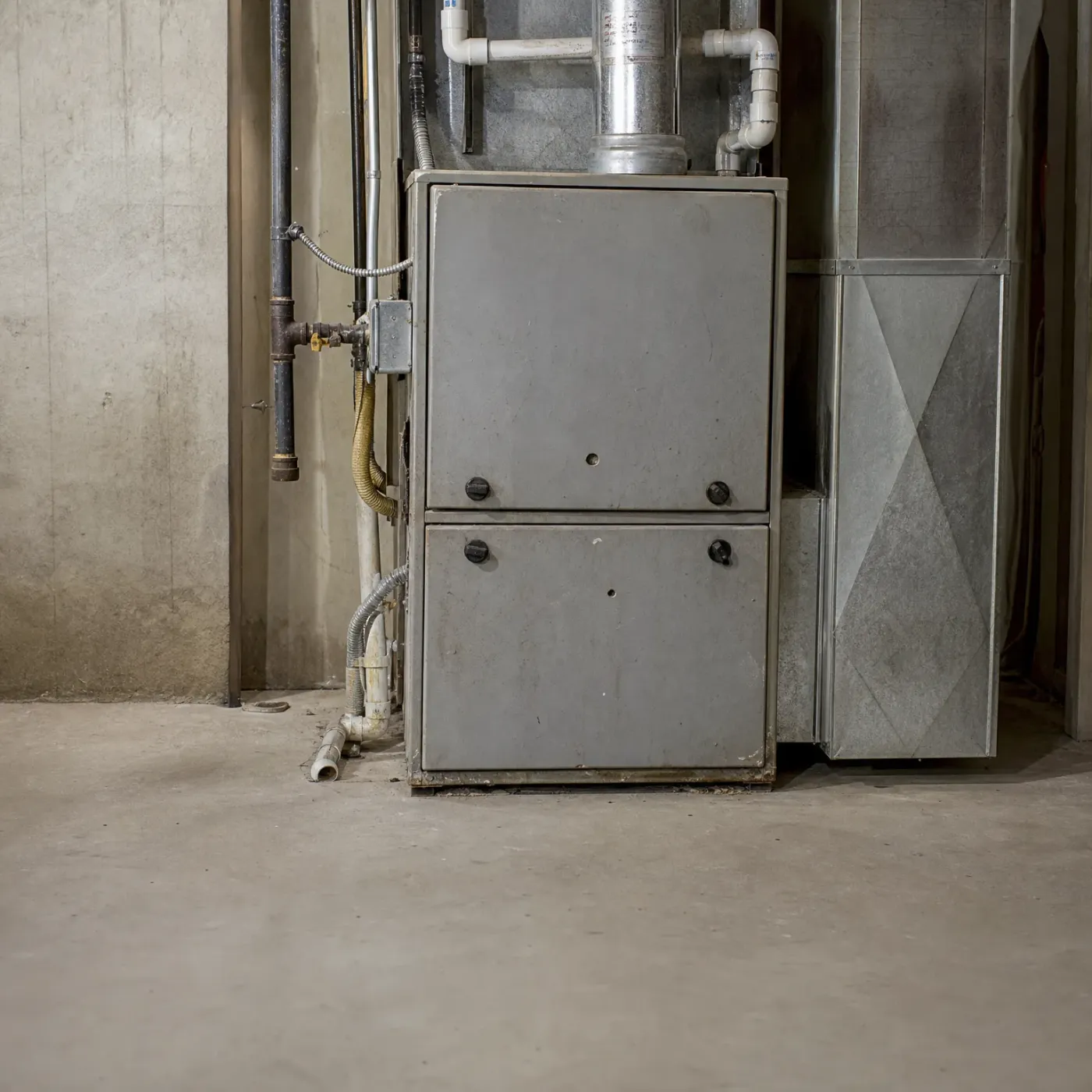
A furnace showing its age

Light grime on the cabinet and two aging access panels don't tell you much by themselves, but an older furnace is worth a closer look each fall. A technician who checks the flue and the gas connections once a year catches a cracked exchanger before it becomes a bigger problem than dry skin.

A gray furnace with two access panels stands on a concrete basement floor beside sheet-metal ductwork, with pipes, flexible conduit and an electrical box on the concrete wall to the left.
Before you get your furnace maintenance
A gray high-efficiency furnace stands on a concrete basement floor beside galvanized sheet-metal ductwork, white PVC vent pipes, copper and black piping, and unfinished wood stud framing.
After you get your furnace maintenance

Winter nights average 36°F statewide

36°F is a cold start for the air coming into your furnace. The colder it is outside, the less moisture that air carries before your furnace heats it, so nights this cold are when the dryness in your house is at its worst.

NOAA nClimDiv 1991-2020 county normals weighted by homes

Dry Air, Explained and Handled

  • Dry air in your house with the furnace running is normal, not a sign anything is broken.
  • The fix for the dryness itself is a humidifier, not a repair to the furnace.
  • A furnace that short-cycles or runs longer than it should is worth having checked before the dry air gets worse.
  • A local contractor who services furnaces all winter knows which parts tend to fail first in Alabama homes.
  • One contractor takes the call, so you're not sorting through several companies to find out who's available.

The dryness you're feeling has a simple cause. Cold Alabama air doesn't hold much moisture, and your furnace heating it up drops the humidity further still. Nothing is wrong with your furnace just because the air feels dry. That part is physics, not a malfunction.

What does matter is how your furnace is running. If it's shutting off too soon or staying on longer than it should, that's worth a look, because those patterns pull in more outside air than necessary and make the dryness worse than it needs to be. A furnace that cycles the way it's supposed to, warming the house and shutting off cleanly, isn't the problem here. A humidifier mounted on the system is what solves the dryness itself, adding moisture back as the air passes through.

Sorting out which of these applies to your house is easier with someone who already knows the equipment. A contractor who works on furnaces all winter in Alabama homes has seen which parts tend to wear out first, whether that's a flame sensor, a filter, or something in how the system cycles. You'll be matched with one contractor, local to you, so you're dealing with a single call back instead of fielding offers from a handful of companies trying to win the job. That's one less thing to manage while you figure out whether your dry air is just the season or something your furnace is doing that needs attention.

A dark wood cabinet with a paneled door and a ceramic pot of green foliage on top stands in a beige-walled room with white baseboard, a window at left, hardwood floor, and a patterned area rug.
A dark wood glass-front cabinet holding folded towels, woven baskets and a ceramic vase stands in a bathroom corner beside a window, with a potted fern and stacked towels on top and a freestanding tub partly visible at left.
A woven basket holding a green cushion and a cream fringed knit throw sits on a wood floor in a room corner beside a window and a dark wooden cabinet.
Corner of a room with a dark wood cabinet topped by a round vase, a linen curtain at a window, white baseboard, oak plank flooring with sunlight patches, and a woven jute rug in the foreground.
A dark wood sideboard against a pale wall holds a shallow stone bowl and a round ceramic vase with leafy branches, with sunlight from a curtained window falling across the wall, wood floor and woven rug.

Finding a pro stops being your job

Your request goes to one pro, not a list of companies.

Send my request

No charge to send it. You decide if you hire them.