Tell us about the job
Takes about a minute. No obligation.
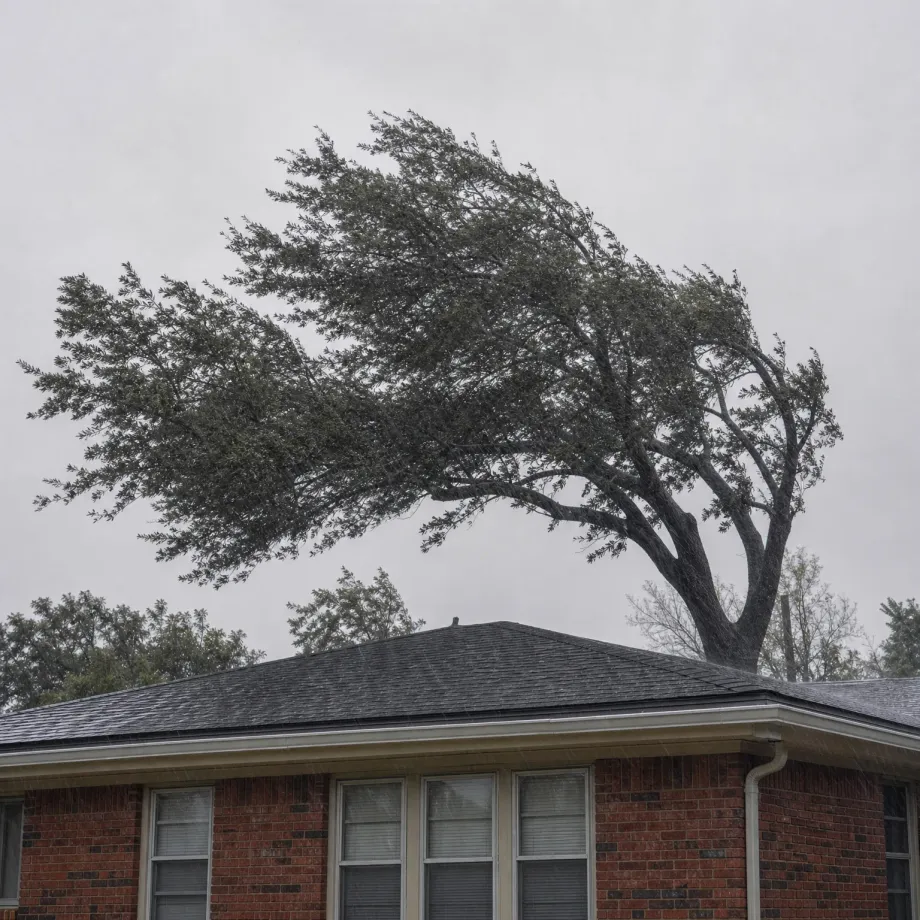
Sizing a furnace for Shelby County is a local calculation, not a catalog one. 132 severe weather events were recorded in Shelby County, Alabama between 2015 and 2024. At that rate, severe weather is a standing condition here, and a contractor accounts for it before settling on equipment capacity, duct layout, or how tightly the system is sealed. A unit that fits the numbers on paper but ignores what this area actually runs against will strain from the start, and strain shows up in the equipment long before a homeowner notices anything wrong.
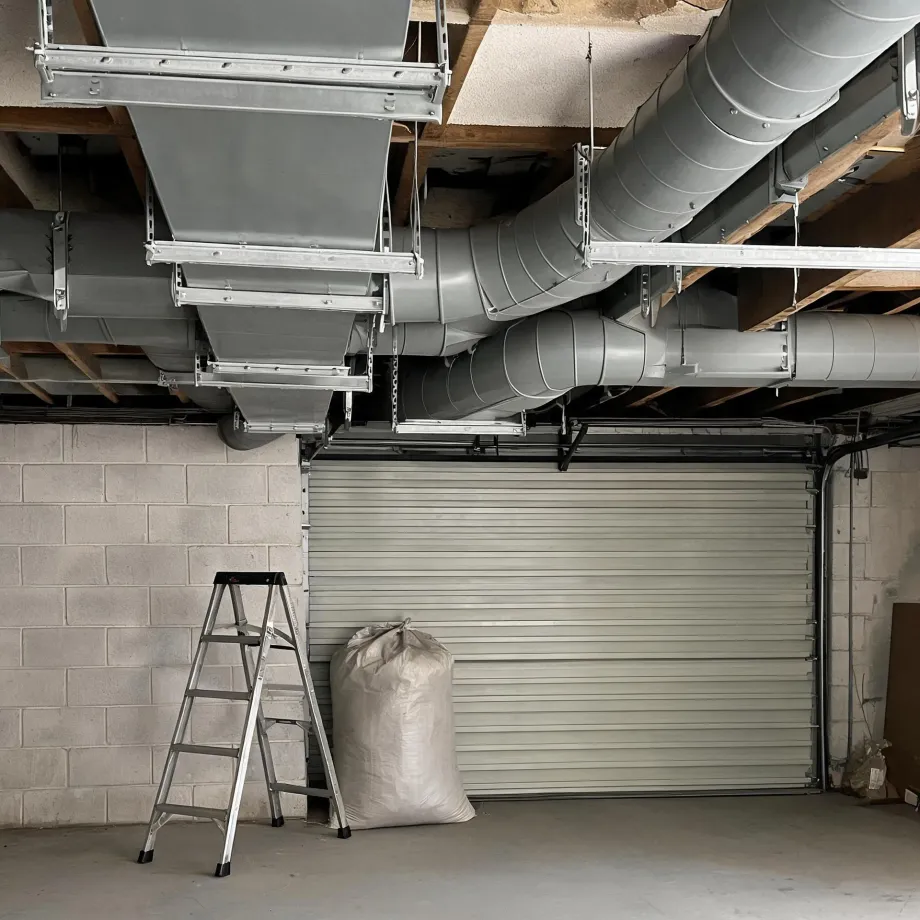
Ductwork laid in a house from the late nineties was designed around the equipment that was standard then, and what a new furnace needs to move air through a home can differ from what those runs were built to handle. Half the homes in Shelby County, Alabama were built in 1997 or earlier (2020-2024 ACS 5-year). A contractor doing an installation here checks the existing duct layout and its capacity before anything else, because a mismatch between the old routing and the new unit's airflow requirements means the install includes duct work, not just the furnace swap. Electrical service gets the same look, since load requirements on newer equipment land differently than they did when many of these houses were wired.
What Gets Installed With a New Furnace
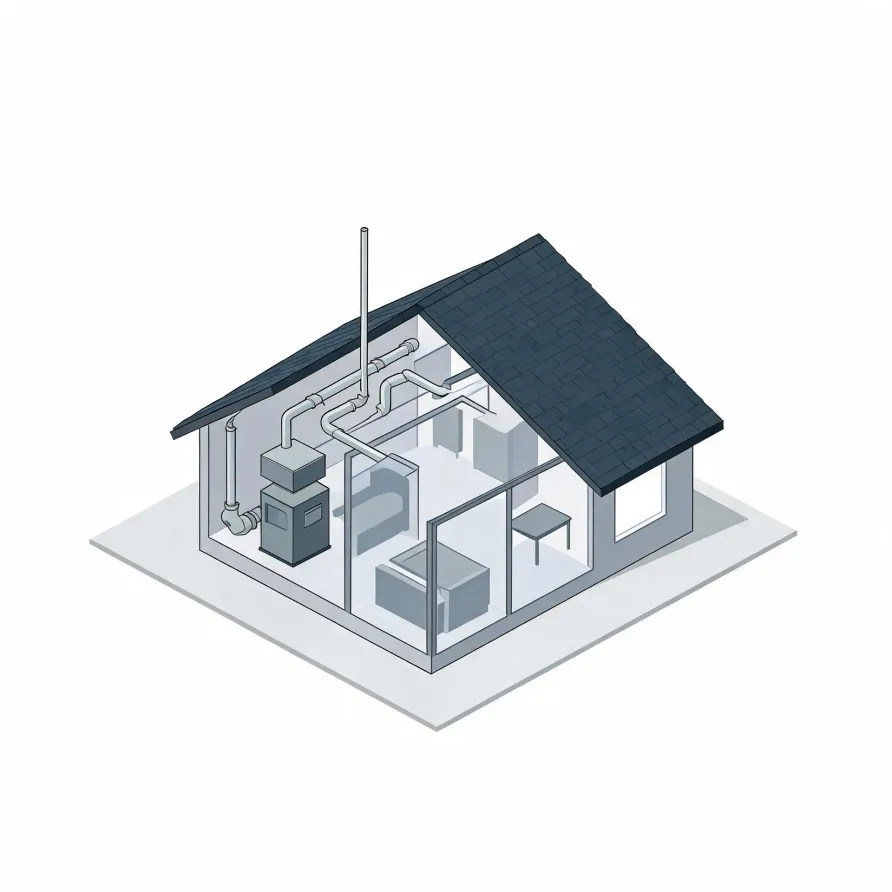
The furnace itself sits in a utility room, basement, or closet and is the box that produces heat for the house. A burner assembly inside it fires on demand, and a heat exchanger transfers that heat to air moving through the cabinet. The blower motor, housed in the lower section of the same cabinet, pushes that warmed air out into the supply side of the system.
The flue pipe runs from the top or rear of the furnace to an exterior wall or roof, carrying combustion gases out of the house. Alongside the furnace, a contractor installs the air filter housing if one is not already in place, and the thermostat on an interior wall acts as the control point that tells the furnace when to fire and when to stop.
The drawing shows a typical layout, and a licensed contractor determines exactly which components apply to your home.
Get matched in Shelby CountyShelby County, by the numbers
132 severe weather events were recorded in Shelby County, Alabama between 2015 and 2024.
NOAA National Centers for Environmental Information, Storm Events Database, bulk CSV export, events 2015-01-01 through 2024-12-31.Half the homes in Shelby County, Alabama were built in 1997 or earlier (2020-2024 ACS 5-year).
U.S. Census Bureau, 2020-2024 American Community Survey 5-Year EstimatesShelby County, Alabama holds 91,995 housing units (2020-2024 ACS 5-year).
U.S. Census Bureau, 2020-2024 American Community Survey 5-Year EstimatesOwners occupy 81.4% of the occupied homes in Shelby County, Alabama (2020-2024 ACS 5-year).
U.S. Census Bureau, 2020-2024 American Community Survey 5-Year EstimatesFurnace Installation Rules for Shelby County, Alabama5 codes, standards & laws
What the installation looks like in practice
Non-weatherized gas furnaces manufactured on or after November 19, 2015 must reach 80.0 percent AFUE.
Non-weatherized oil-fired furnaces manufactured on or after November 19, 2015 must reach 83.0 percent AFUE.
Mobile home gas furnaces manufactured on or after November 19, 2015 must reach 80.0 percent AFUE.
Non-weatherized gas furnaces manufactured on or after December 18, 2028 must reach 95.0 percent AFUE, up from the 80.0 percent minimum that applies to units manufactured before that date.
Licensing Rules for HVAC Work in Shelby County, Alabama
Alabama requires state certification to do heating, air conditioning and refrigeration contracting: nobody may advertise, bid, pull permits or do the work unless the person in responsible charge is a certified contractor.
Severe Weather Events in Shelby County
Weather puts work on HVAC equipment, and the load varies county by county depending on what conditions roll through. A furnace sized and installed for local conditions holds up differently than one spec'd to a national average.
132 severe weather events, 2015–2024. Source: NOAA National Centers for Environmental Information, Storm Events Database.