Tell us about the job
Takes about a minute. No obligation.
A contractor quoting a furnace install in Marshall County has to treat sizing and sealing as local decisions, not catalog defaults. 232 severe weather events were recorded in Marshall County, Alabama between 2015 and 2024. At that rate, severe weather is a standing condition of operating here, and the load it places on a heating system starts from the first season. Equipment undersized or poorly sealed for this climate will run harder and recover slower than the same unit would in a quieter area, and a careful install accounts for that before any equipment is ordered.
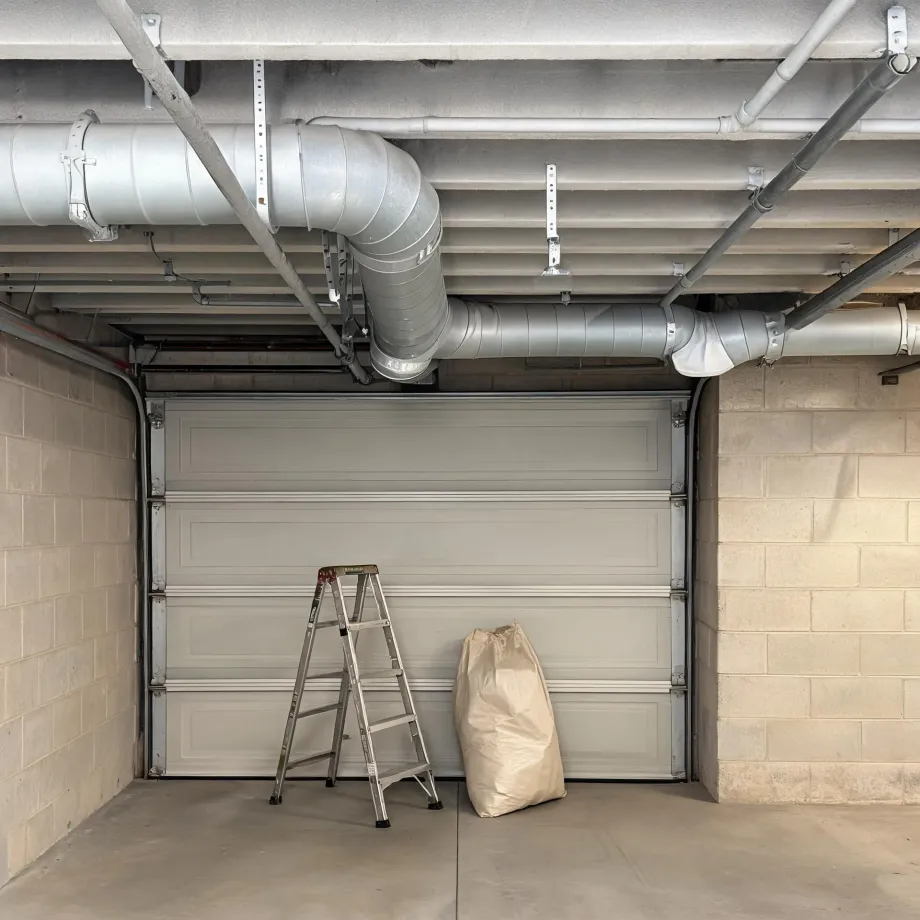
Ductwork designed for an older generation of equipment is what a contractor finds in a large share of Marshall County homes, and whether that ductwork can move air the way a new furnace needs it to is the question that shapes the whole job. Half the homes in Marshall County, Alabama were built in 1986 or earlier (2020-2024 ACS 5-year). A system installed into undersized or poorly routed duct runs will underperform no matter what the unit's rating says, so the duct assessment happens before any equipment is priced. The electrical panel gets the same check: the draw a modern furnace puts on the service is not always what the house was wired to handle.
What Gets Installed With a New Furnace
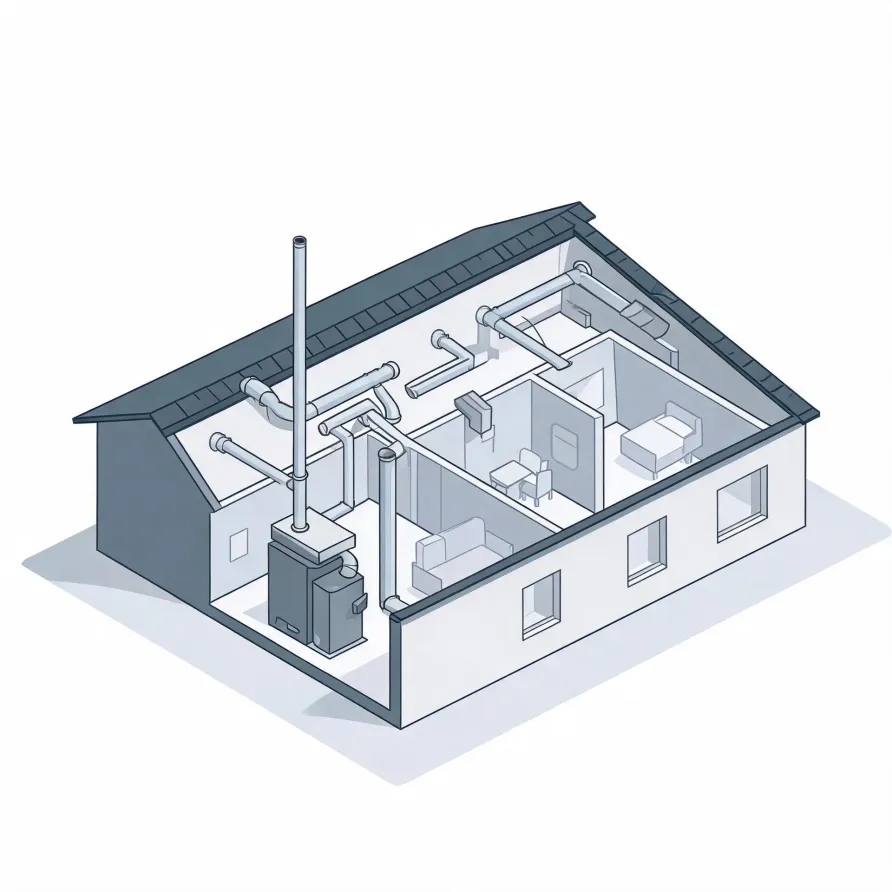
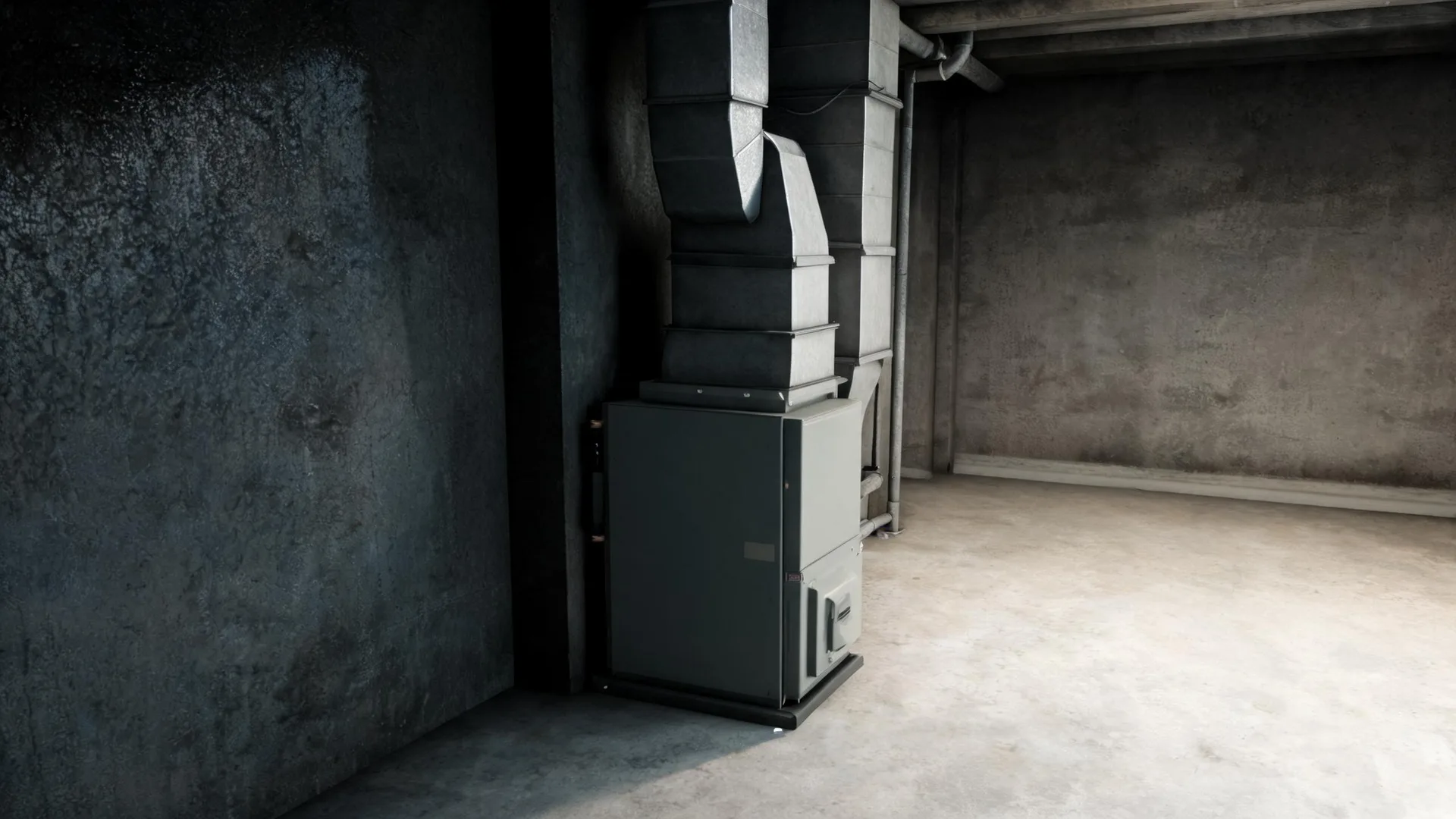
The furnace itself sits in a mechanical room, basement, or utility closet and is the unit that produces heat. A heat exchanger inside it warms the air that moves through your home, and a burner assembly feeds it fuel. The flue pipe runs from the furnace up and out of the house, carrying combustion gases away.
A blower motor and fan assembly sit inside the furnace cabinet and push conditioned air into the supply side of your duct system. The thermostat mounts on a wall inside the living space and tells the furnace when to fire. A gas valve and control board, both housed within the cabinet, regulate fuel flow and coordinate the sequence of operation.
The drawing shows a representative layout, and a licensed contractor determines what applies to your specific house and equipment configuration.
Get matched in Marshall CountyMarshall County, by the numbers
232 severe weather events were recorded in Marshall County, Alabama between 2015 and 2024.
NOAA National Centers for Environmental Information, Storm Events Database, bulk CSV export, events 2015-01-01 through 2024-12-31.Half the homes in Marshall County, Alabama were built in 1986 or earlier (2020-2024 ACS 5-year).
U.S. Census Bureau, 2020-2024 American Community Survey 5-Year EstimatesMarshall County, Alabama holds 41,762 housing units (2020-2024 ACS 5-year).
U.S. Census Bureau, 2020-2024 American Community Survey 5-Year EstimatesOwners occupy 75.8% of the occupied homes in Marshall County, Alabama (2020-2024 ACS 5-year).
U.S. Census Bureau, 2020-2024 American Community Survey 5-Year EstimatesCodes & Standards Governing Furnace Installation in Marshall County, Alabama5 sourced rules and standards
What a Marshall County Furnace Install Actually Looks Like
Non-weatherized gas furnaces manufactured on or after November 19, 2015 must reach 80.0 percent AFUE.
Non-weatherized oil-fired furnaces manufactured on or after November 19, 2015 must reach 83.0 percent AFUE.
Mobile home gas furnaces manufactured on or after November 19, 2015 must reach 80.0 percent AFUE.
Non-weatherized gas furnaces manufactured on or after December 18, 2028 must reach 95.0 percent AFUE, up from the 80.0 percent minimum that applies to units manufactured before that date.
Licensing Rules for Marshall County, Alabama
Alabama requires state certification to do heating, air conditioning and refrigeration contracting: nobody may advertise, bid, pull permits or do the work unless the person in responsible charge is a certified contractor.
Severe Weather Events in Marshall County
Weather puts real demands on heating and cooling equipment, and those demands are shaped by what the local climate actually does. A furnace sized and installed for Marshall County's conditions holds up differently than one built to a generic spec.
232 severe weather events, 2015–2024. Source: NOAA National Centers for Environmental Information, Storm Events Database.