Furnace pilot light won't stay lit in Huntsville, AL

Get matched with a pro who works on furnaces in Madison County.

Match me with a pro

A pilot that won't stay lit usually comes down to one of three things: a weak or dirty thermocouple, a draft blowing the flame out, or a clogged pilot orifice. The thermocouple is the small rod that sits in the pilot flame and tells the gas valve it's safe to keep sending gas. Once it ages or gets coated in soot, it cools faster than it should and shuts the gas off, even though the flame looks fine to you. A draft from a nearby vent or a gap around the furnace cabinet can do the same thing by physically snuffing the flame. Less often, the orifice that feeds the pilot gets partly blocked, so the flame burns too small and weak to hold the thermocouple's reading steady. None of this is something to leave alone. Furnaces here run hard through winter, and a furnace that won't hold its pilot can't heat your house at all until it's fixed.

Why won't my pilot light stay lit when it's this cold out?

  • Winter nights average 33°F

    Winter nights average 33°F here. That cold pulls at a weak thermocouple right when you need the furnace most.

  • Heat runs October through April

    Heat runs October through April. Seven months is a long stretch for a worn thermocouple or a dirty orifice to keep failing on you.

  • 74.4% of homes heat with electricity

    74.4% of homes in Madison County heat with electricity, so most furnace pilot issues here show up on the minority of homes still running gas heat.

NOAA nClimDiv 1991-2020 · ACS 2020-2024

Relighting it yourself

Most furnaces have a label inside the access panel with the exact steps for that model. If the pilot catches and holds once the thermocouple warms up, that's a sign the part still has some life. You save a visit and you know the system works again right away. But if it goes out again in a day or two, that's the thermocouple telling you it's done, and relighting it over and over just delays the same repair.


Having it looked at

A contractor can test the thermocouple's millivolt output, check the pilot orifice for soot or debris, and look for a draft reaching the burner compartment from outside or from the vent. That tells you which of the three it actually is instead of guessing. With seven months of heating ahead, a pilot that keeps going out is worth settling now rather than relighting through a cold snap in January when you need the furnace running every night.

A woman in a cream cowl-neck sweater sits by a window with snow outside, in a dimly lit living room with a sofa, lit lamp, mirror, candles and a fireplace.
A woman in a gray turtleneck sweater sits beside a large window looking out at snow-covered evergreen trees, in a dimly lit living room with a lit fireplace, lamps, couch and houseplant.
A woman in a cream turtleneck sweater stands beside a large window with snow-covered ground and bare trees outside, in a dimly lit living room with lamps, a sofa and framed art.
A woman in a grey cowl-neck sweater stands indoors near a window, looking out at falling snow, with a lamp, framed picture and couch in the warmly lit room behind her.

Most homes here heat with electric furnaces

Madison County runs mostly on electric heat, which means a standing pilot isn't part of how most furnaces here work at all. A furnace with a pilot light and thermocouple is burning gas, either natural gas or propane, and that's a different system with different parts to check. If your furnace has a pilot you're trying to relight, it's worth knowing which fuel it runs on, since that changes what a contractor looks at first. A gas furnace with a bad thermocouple won't fix itself by waiting out the cold snap.

A clean orifice makes a steady flame

The pilot orifice is a small brass fitting that meters how much gas reaches the pilot flame. When it's clean, the flame burns a steady blue cone, tall enough to fully surround the thermocouple tip. Dust, lint, or a speck of rust can narrow that opening enough to starve the flame or bend it sideways, away from the thermocouple. A flame that looks weak, yellow, or leaning to one side even when the room is still is usually telling you the orifice needs attention, not the thermocouple. Cleaning it is a small job, but it has to be done without enlarging the hole.

A bearded man in a plaid flannel shirt stands indoors looking out a frost-covered window, with a steaming dark blue mug on the wooden sill and snow-covered trees outside.
A smiling man in a dark blue T-shirt sits on a light gray sofa in a living room with a wooden shelf and window behind him, with a laptop edge visible in the foreground.

The thermocouple works on a signal so small that almost nothing has to go wrong to break it. It sits in the pilot flame and sends a tiny electrical current to the gas valve, telling it the flame is real and safe to keep burning. For that signal to hold, the flame needs to wrap around most of the tip, not just touch one side of it. If the rod has shifted even a little, it can miss the hottest part of the flame while the pilot still looks fine to you. The gas valve only waits so long, often about 30 seconds, before it decides the flame failed and shuts the gas off. Sometimes the thermocouple itself is fine and the problem is the fitting where it screws into the valve. If that connection is loose or cracked, it can leak signal and act like a part that's dying when it isn't. And the orifice that feeds the pilot gas is a small brass piece with a hole sized for a specific pressure. Rust or dirt in there chokes the flame down before it ever reaches the thermocouple.

How the pilot actually fails

  • The thermocouple only generates a tiny electrical signal, under a millivolt in many cases, so even a thin layer of soot can break the connection.
  • A pilot flame should wrap around the top third to half of the thermocouple tip, not just lick at it from one side.
  • Gas valves hold the pilot open for a set delay, often around 30 seconds, before they decide the flame failed and cut gas to it.
  • A bent or misaligned thermocouple can sit outside the hottest part of the flame even when the pilot looks lit and steady.
  • The pilot orifice is a small brass fitting with a hole sized for a specific gas pressure, and dirt or rust flakes can partly block it.
  • A cracked or loose thermocouple fitting at the gas valve can leak just enough signal to mimic a failing part that's actually fine.
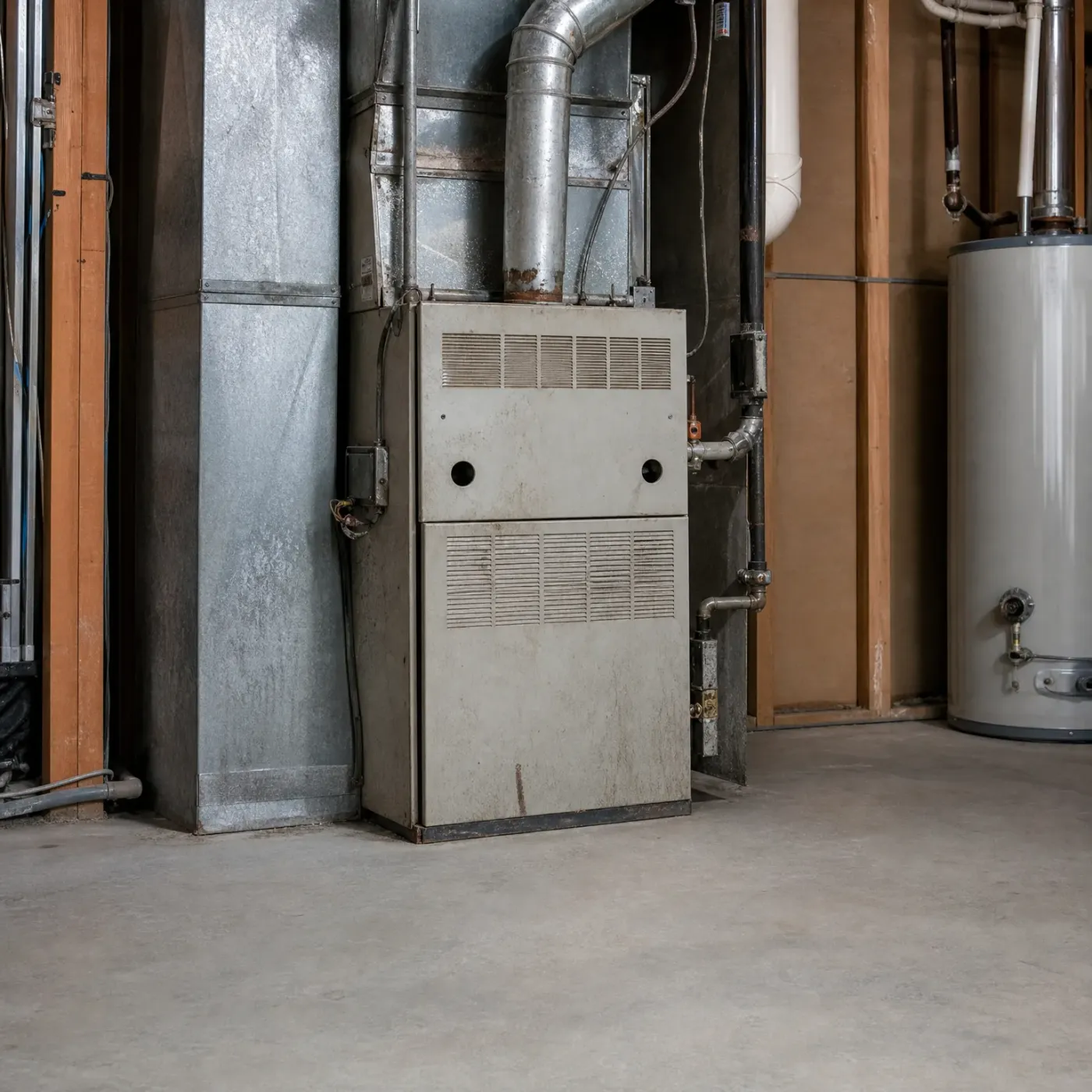
An older beige furnace with louvered front panels stands on a concrete basement floor beside galvanized ductwork, metal and plastic pipes, exposed wood framing, and a cylindrical water heater at right.
Before you get your furnace repair
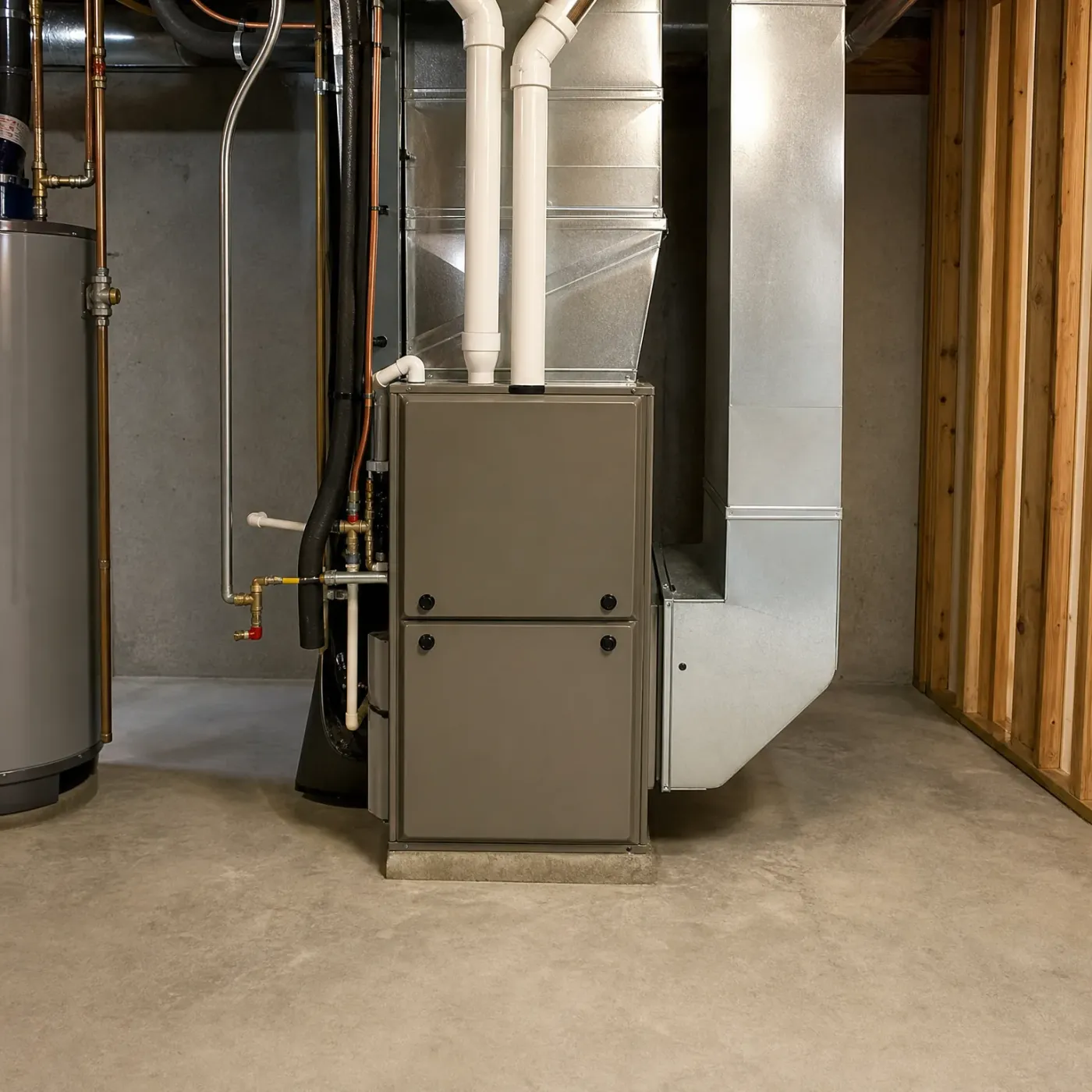
A gray high-efficiency furnace in a basement with PVC vent pipes, sheet-metal ductwork, copper and insulated pipes, a water heater at left, and an unfinished wood-stud wall at right.
After you get your furnace repair
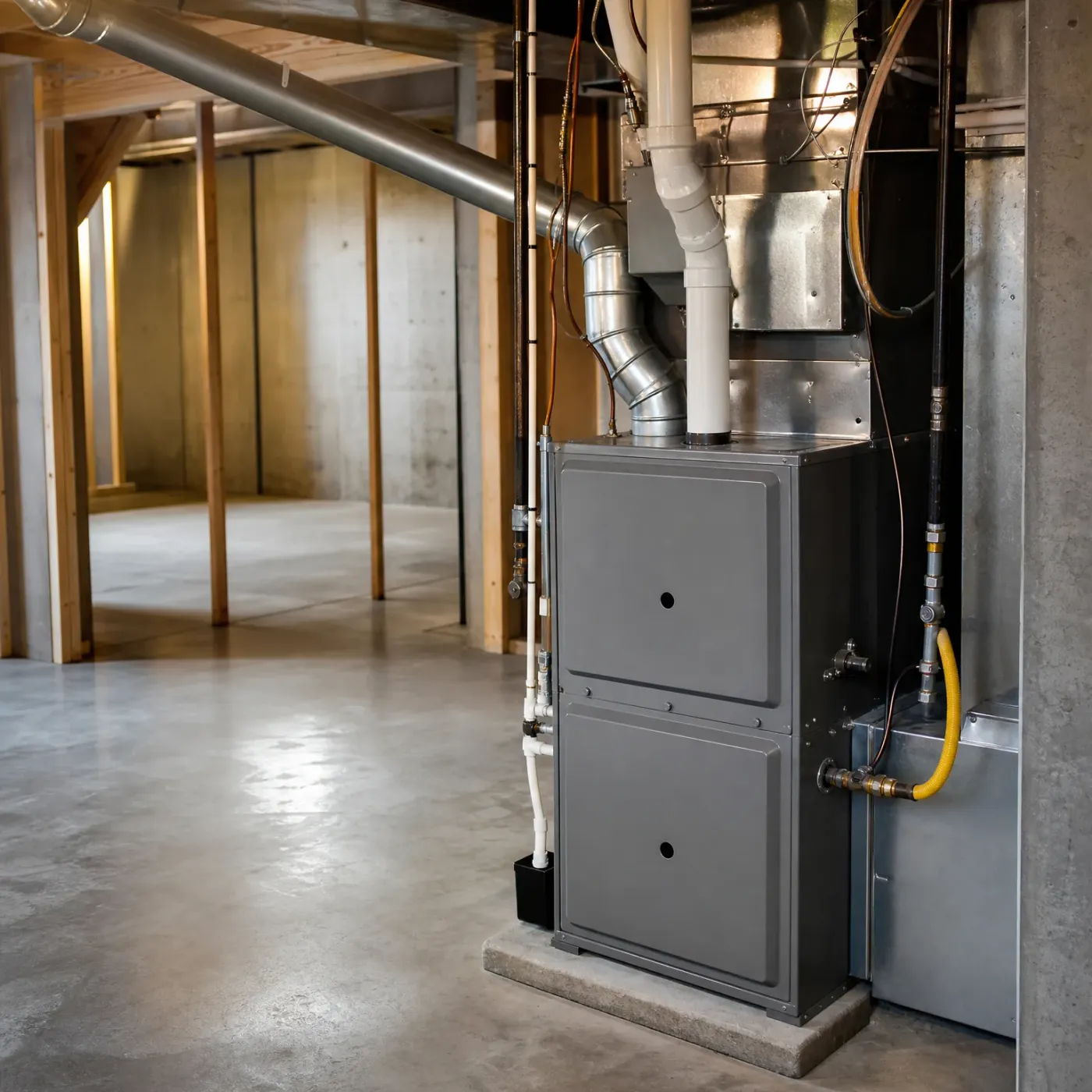
A gray gas furnace on a concrete pad in an unfinished basement, connected to sheet-metal ductwork, white PVC venting, and a yellow gas line, with concrete walls and wood framing in the background.

Get matched with a furnace pro in Madison County

Get the furnace repair search off your mind today.

A Madison County pro who repairs furnaces gets your request.

Find my pro

Sending the form costs nothing.

Why does my pilot keep going out at night

You hold the button in, it lights, and a few minutes after you let go it dies again. Or it stays lit through the evening and you wake up to a cold house and no flame at all. Sometimes you catch a faint gas smell near the furnace right before it goes out, which means the valve opened but the flame never held long enough to burn it off cleanly. If this keeps happening, the furnace isn't heating on the schedule you set it for, and on a night near freezing that means rooms cool off well before morning. A pilot that won't hold isn't dangerous by itself, but a furnace that keeps trying to relight itself and failing is one you should stop running until someone looks at it.

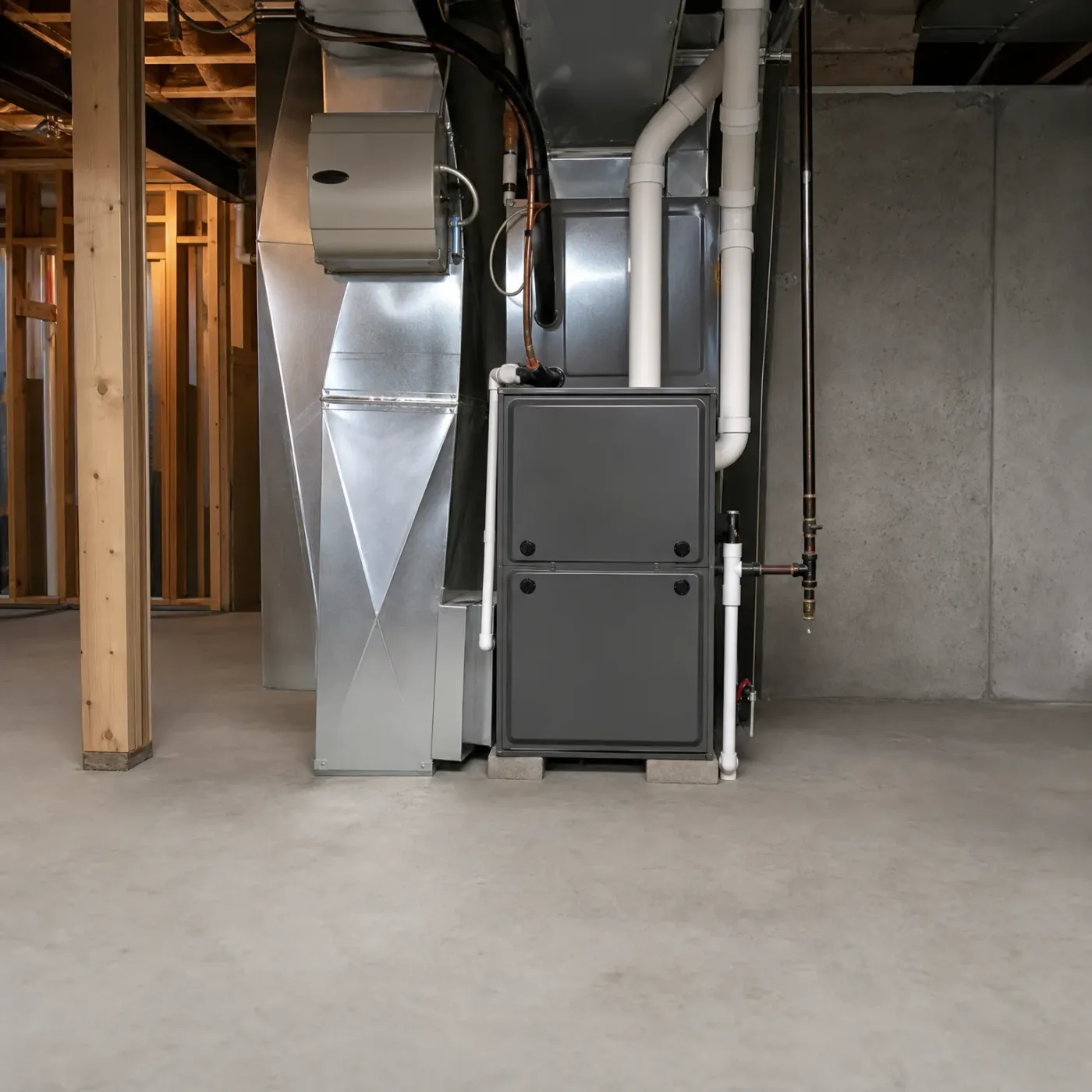
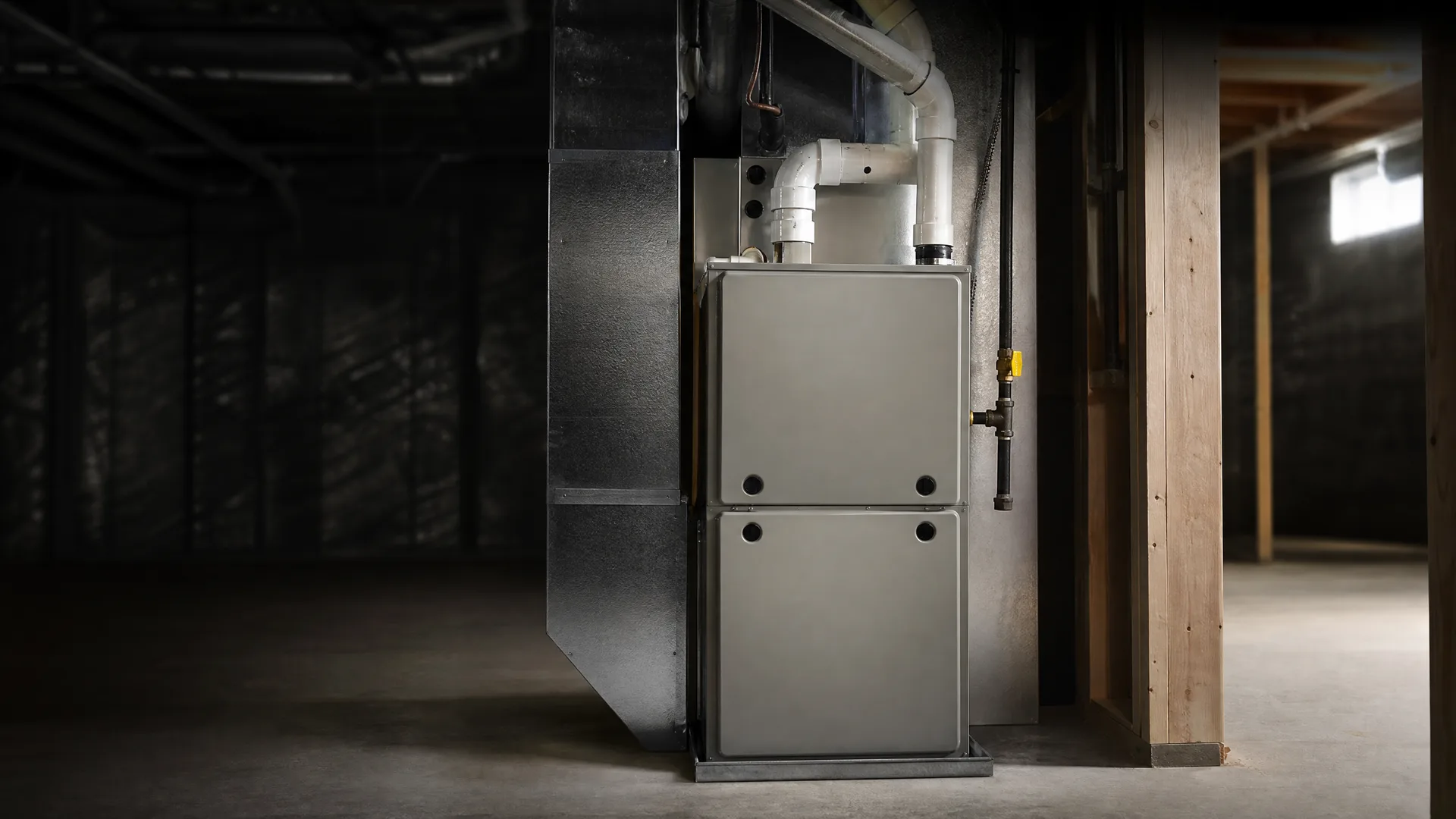
A gray high-efficiency furnace with white PVC venting pipes stands on blocks in a basement next to sheet-metal ductwork, with exposed wood framing on the left and a concrete wall and floor.

The pilot holding steady

The flame burns a steady blue, wrapped around the thermocouple tip, and the furnace cycles on through the night without you touching it. PVC flue pipe and copper gas lines run clean to the cabinet, each connection doing its job.

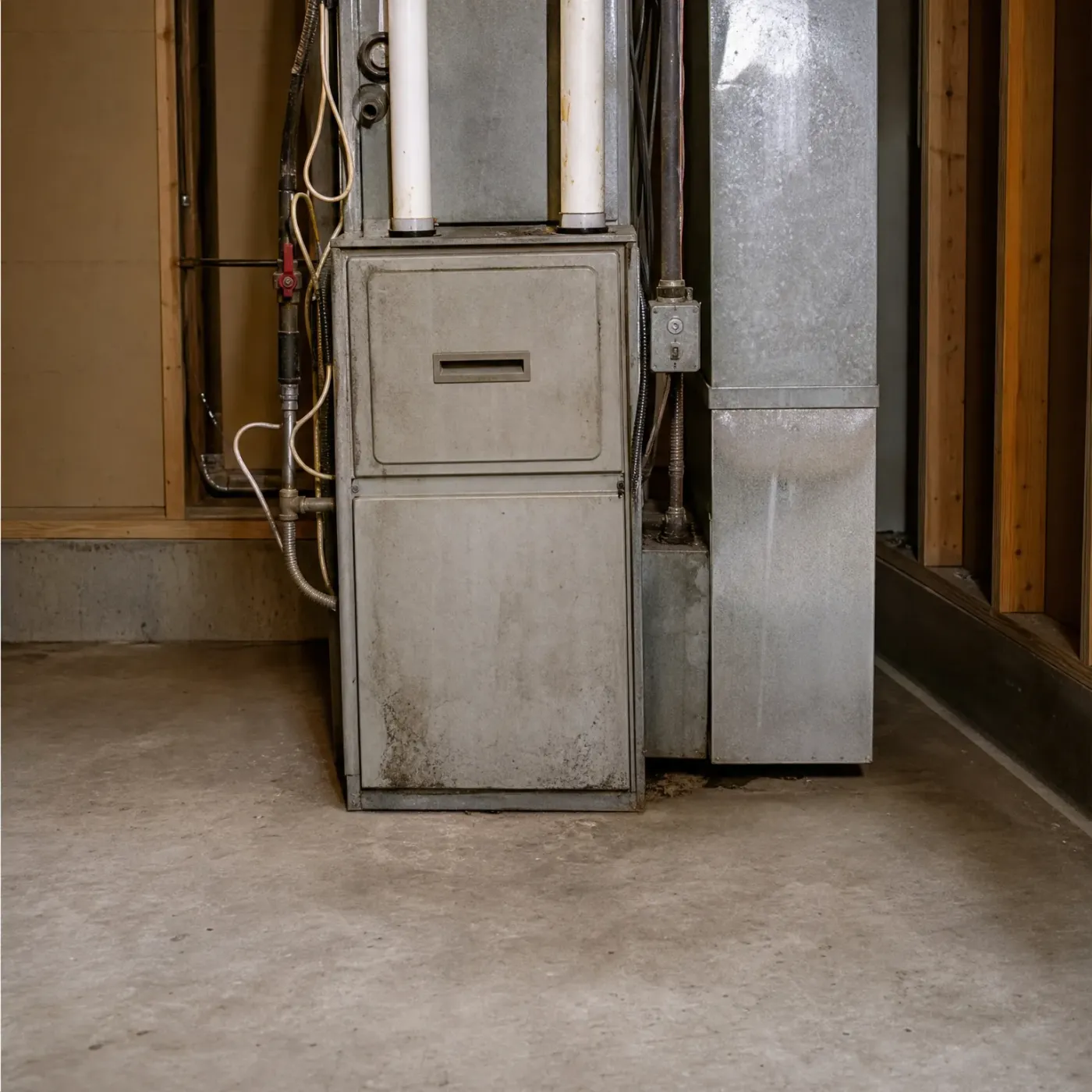
An older gas furnace with two white PVC vent pipes stands on a concrete basement floor beside galvanized sheet-metal ductwork, flexible conduit, and piping along a wall.

The pilot going out

This older cabinet sits on the same kind of basement floor, flexible gas line and exhaust pipe run to a furnace that won't hold a flame. Soot on the thermocouple, a cracked orifice, or a draft near the burner box can all be behind it.

Is a pilot light furnace even normal in Huntsville?

You keep hearing that most houses around here run on electric heat, so if your furnace has a pilot light at all, it can start to feel like your system is the odd one out, or maybe even outdated.

Yes, if your furnace runs on gas, a pilot light is normal

Electric heat is more common in Madison County, but plenty of homes still run on natural gas or propane furnaces, and those furnaces need a pilot light and thermocouple to work. Nothing about your setup is unusual just because your neighbor's furnace works differently. Older gas furnaces almost always use a standing pilot rather than an electronic ignition system. If your furnace came with the house, the pilot light is just how that unit was built to run. The question isn't whether a pilot light belongs in a gas furnace here, it's whether yours is holding a steady flame or going out on you.

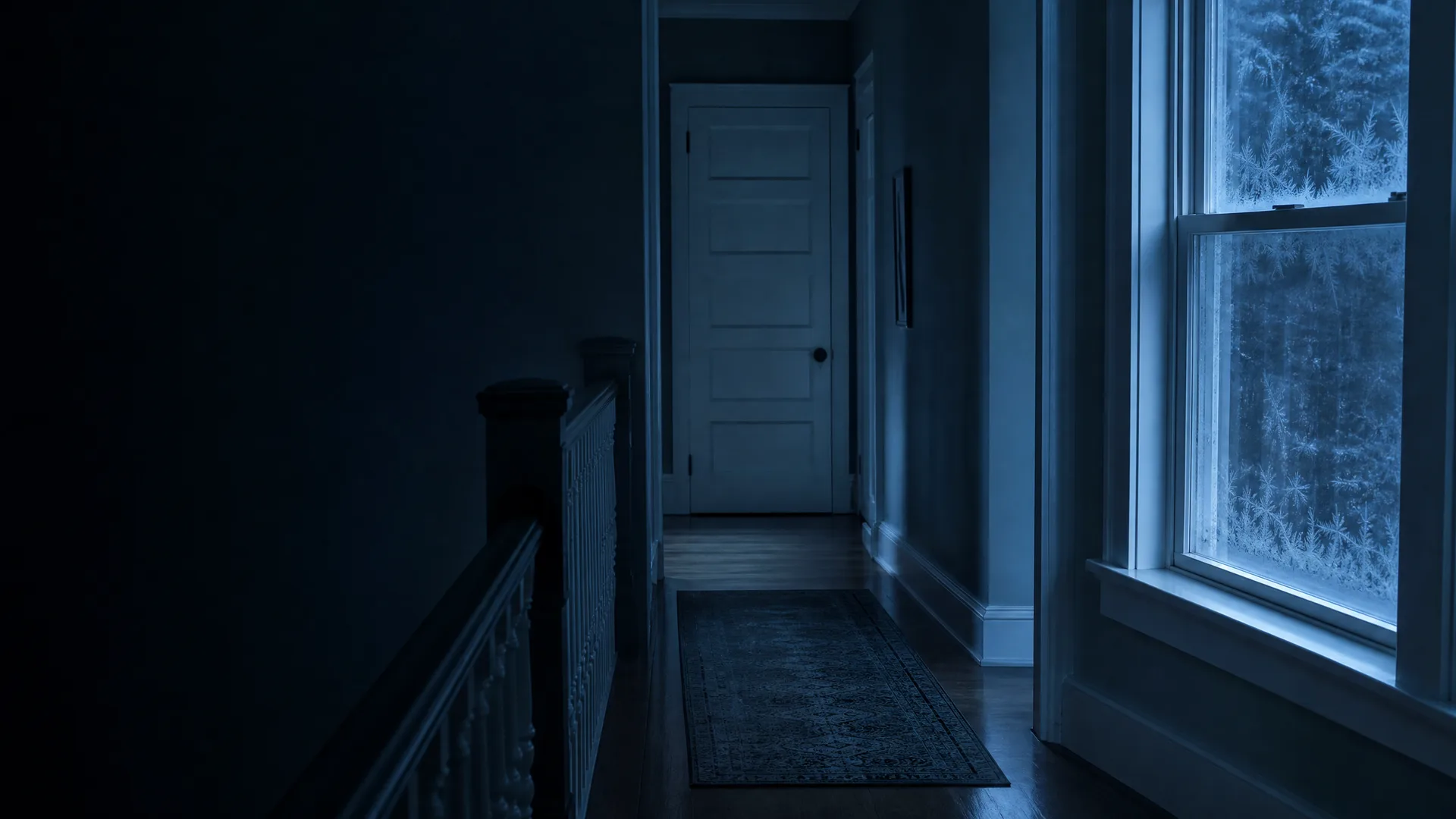
Dimly lit interior hallway at night with a closed white paneled door at the end, a long runner rug on a wood floor, a stair railing at left, and a frost-covered window admitting blue light at right.

You're awake before you know why. The hallway floor is cold under your feet, colder than it should be. You check the vent at the top of the stairs and there's nothing coming out of it, no sound, no movement. Outside the window at the end of the hall, frost has crept in from the edges of the glass, and the streetlight comes through it in a dim blue wash. It's 2 a.m. and 33 degrees out, the kind of January night Madison County gets a lot of. You already know what you'll find if you go down and open the furnace cabinet. The pilot's out again.

Winter nights average 33°F

Most nights from December through February, the air outside your furnace's flue and cabinet sits around 33°F. That cold works against a thermocouple that's already weak, making the pilot more likely to drop out right as the burners would normally kick on.

NOAA nClimDiv 1991-2020

A man in a dark blue shirt stands in an open front doorway of a stucco and wood-clad house, facing a blond woman seen from behind in the foreground on a stone walkway.

Three things to check, one of them to fix

A pilot that won't stay lit comes down to a weak thermocouple, a draft hitting the flame, or a clogged orifice. You can check which one it is. You can't always fix it yourself, and a thermocouple that's lost its signal needs to be replaced, not cleaned.

If you've relit it a few times this week and it keeps dropping out, that's not a fluke, that's the part telling you where it stands. A contractor who works on gas furnaces in Madison County can look at the flame, the connection, and the draft around the cabinet, and tell you which of the three it is. Once you send the request, that part stops being something you have to figure out alone.

A living room corner with a beige sofa and cushion, a round wooden coffee table holding a pale ceramic vase of eucalyptus stems and a wooden bowl, and a curtained window with a potted plant above a latticed radiator cover in the background.
A gray high-efficiency furnace with two access panels stands on a concrete basement floor, connected to sheet-metal ductwork and white PVC vent pipes, with wood framing and a gas line nearby.

Get your furnace to the right pro

Step 1 of 3: Equipment