Tell us about the job
Takes about a minute. No obligation.
A contractor quoting a furnace repair in Lawrence County has to settle one question before anything else: what has actually been wearing this system down. 133 severe weather events were recorded in Lawrence County, Alabama between 2015 and 2024. That pace keeps severe weather as a real but background factor. What drives most furnace failures here is age, installation quality, and missed maintenance cycles. A contractor will check heat exchangers, ignitors, and blower components for long-term wear rather than assuming storm stress is the culprit, because the record here does not support leading with that assumption.
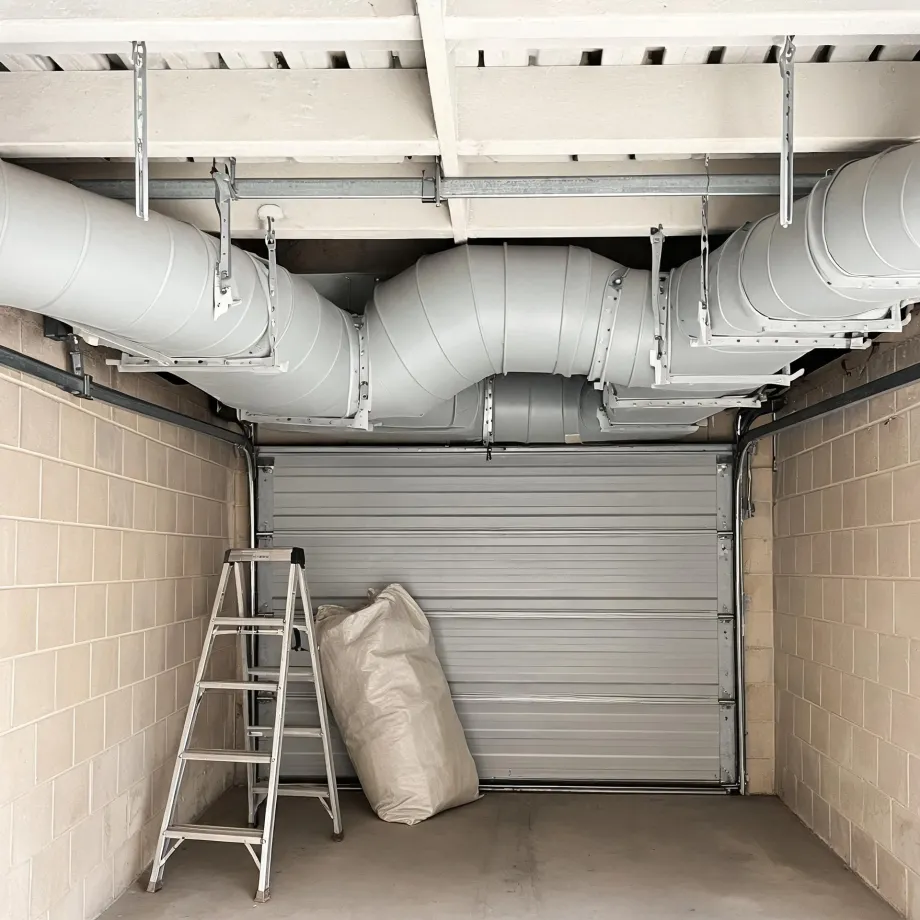
Furnace parts are where a repair job in Lawrence County gets complicated. Half the homes in Lawrence County, Alabama were built in 1990 or earlier (2020-2024 ACS 5-year). A house that age has likely run through at least one previous system already, and the furnace a contractor opens today may draw on a parts catalog that suppliers have stopped stocking. If a heat exchanger or control board is no longer manufactured, the contractor has to locate a compatible substitute or tell you the unit cannot be brought back. That determination comes from inside the equipment, not from the build date on the permit.
The Parts of a Furnace a Contractor Checks First
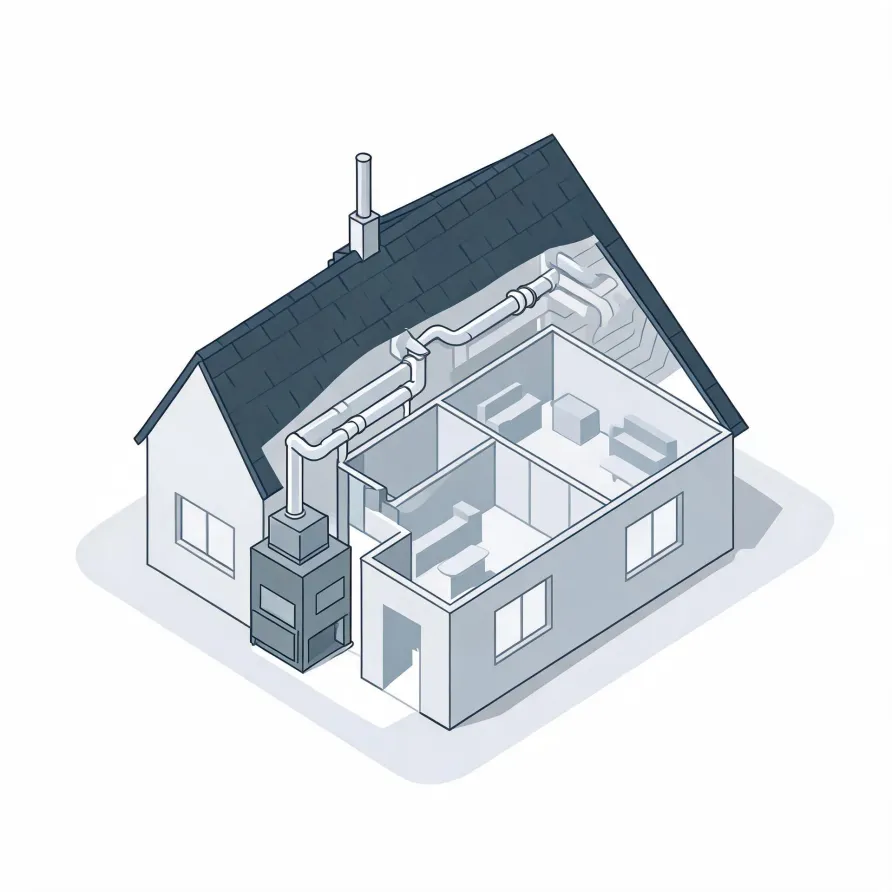
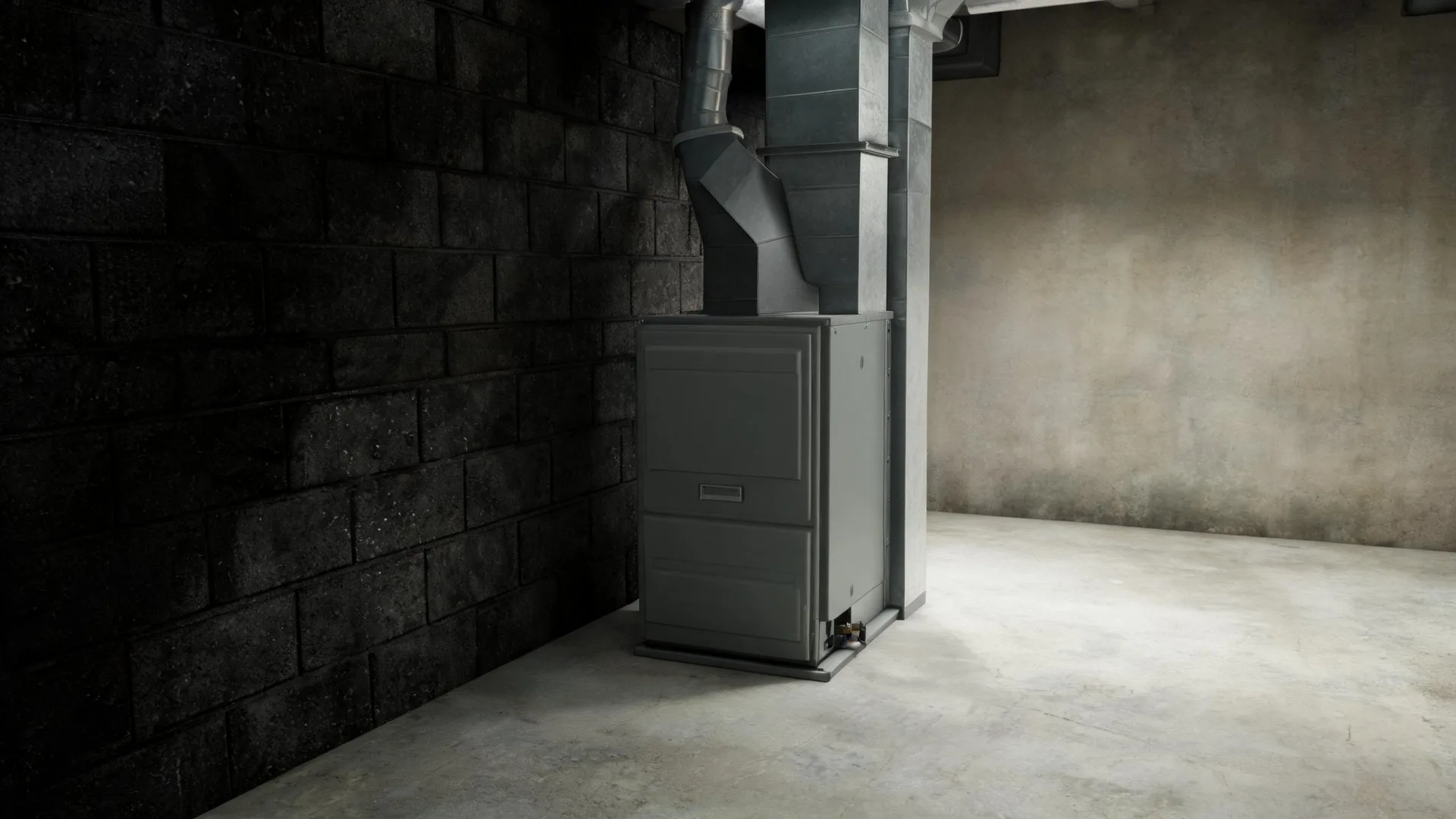
The furnace itself sits in a utility space, basement, or closet and is the heart of the repair call. Inside it, the heat exchanger is what a contractor looks at hard: cracks or corrosion there mean combustion gases can reach living air. The burners, igniter, and flame sensor are frequent failure points, and when a furnace short-cycles, refuses to start, or runs without producing heat, those are the pieces a contractor goes to first.
The blower motor and its wheel sit inside the furnace cabinet and push conditioned air into the duct system. The flue pipe runs from the cabinet through the wall or roof and carries exhaust out of the house. A failing blower shows up as weak airflow or the furnace overheating on its own safety limit; a blocked or separated flue stops the unit from running at all.
The drawing shows a typical furnace layout, and a licensed contractor determines which components apply and what condition they are in for your specific home.
Get matched in Lawrence CountyLawrence County, Alabama, by the numbers
133 severe weather events were recorded in Lawrence County, Alabama between 2015 and 2024.
NOAA National Centers for Environmental Information, Storm Events Database, bulk CSV export, events 2015-01-01 through 2024-12-31.Half the homes in Lawrence County, Alabama were built in 1990 or earlier (2020-2024 ACS 5-year).
U.S. Census Bureau, 2020-2024 American Community Survey 5-Year EstimatesLawrence County, Alabama holds 15,403 housing units (2020-2024 ACS 5-year).
U.S. Census Bureau, 2020-2024 American Community Survey 5-Year EstimatesOwners occupy 81.7% of the occupied homes in Lawrence County, Alabama (2020-2024 ACS 5-year).
U.S. Census Bureau, 2020-2024 American Community Survey 5-Year EstimatesCodes & Standards Governing Furnace Repair in Lawrence County, Alabama5 sourced rules and standards
What Furnace Repair Looks Like in Lawrence County
Non-weatherized gas furnaces manufactured on or after November 19, 2015 must reach 80.0 percent AFUE.
Non-weatherized oil-fired furnaces manufactured on or after November 19, 2015 must reach 83.0 percent AFUE.
Mobile home gas furnaces manufactured on or after November 19, 2015 must reach 80.0 percent AFUE.
Non-weatherized gas furnaces manufactured on or after December 18, 2028 must reach 95.0 percent AFUE, up from the 80.0 percent minimum that applies to units manufactured before that date.
Licensing Rules for Lawrence County, Alabama
Alabama requires state certification to do heating, air conditioning and refrigeration contracting: nobody may advertise, bid, pull permits or do the work unless the person in responsible charge is a certified contractor.
Severe Weather Events in Lawrence County
Weather stress is real work for a furnace. Each hard weather event puts pressure on the equipment, and that pressure shows up as wear, failures, and repair calls.
133 severe weather events, 2015–2024. Source: NOAA National Centers for Environmental Information, Storm Events Database.