Tell us about the job
Takes about a minute. No obligation.
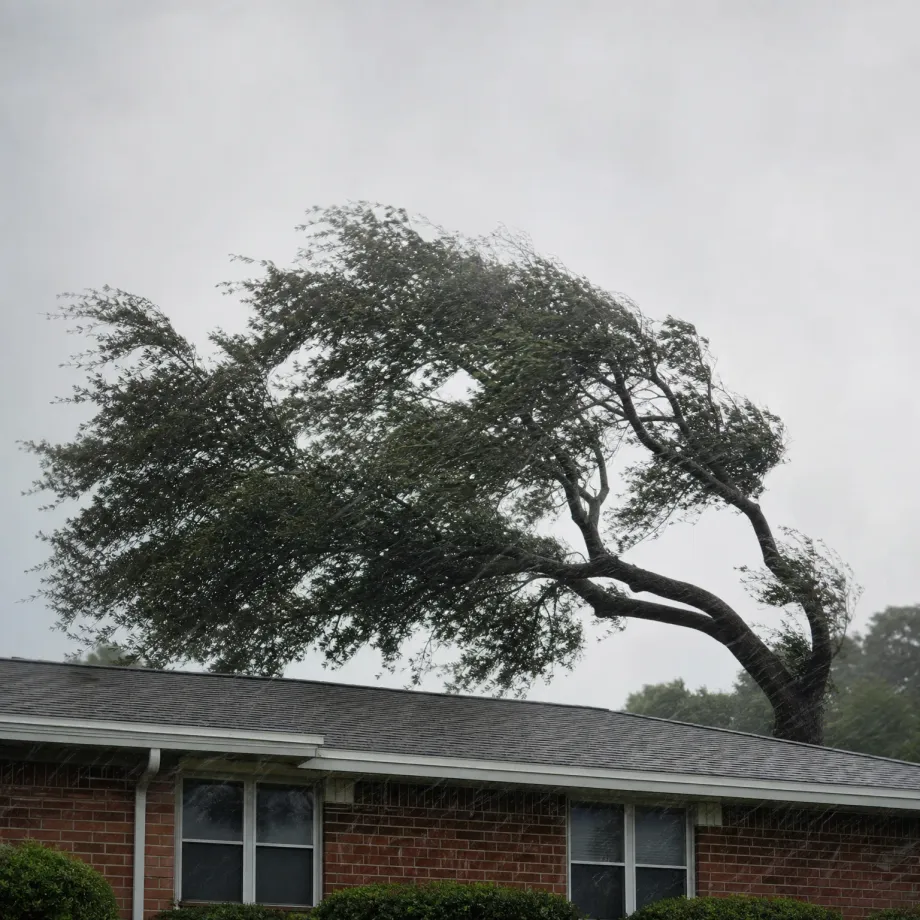
A furnace repair in Jackson County starts with what the equipment has already been through. 328 severe weather events were recorded in Jackson County, Alabama between 2015 and 2024. At that rate, severe weather is a standing condition here, and every heating system in the county has been running against it season after season. A contractor will look at heat exchangers, ignition components, and control boards for signs of stress-related fatigue before drawing any other conclusion about why the system failed.
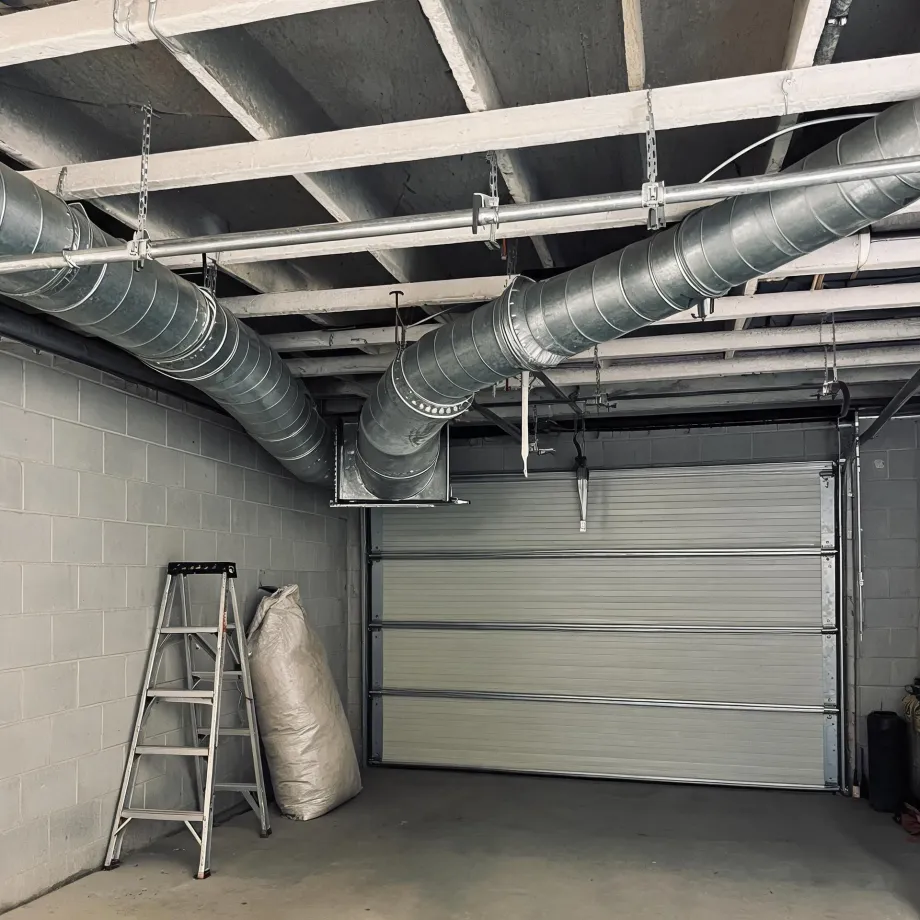
Furnace repair in houses this old often turns on one question: whether the part the opened unit needs is still being made. Half the homes in Jackson County, Alabama were built in 1985 or earlier (2020-2024 ACS 5-year). Equipment installed in houses from that era has run through enough heating seasons that heat exchangers crack, limit switches fail, and igniters wear out in ways that are straightforward to name but harder to fill. The contractor can diagnose the fault in an afternoon. Sourcing the replacement is where the job either moves forward or stalls while a distributor searches a back catalog.
The Parts of a Furnace a Contractor Checks First
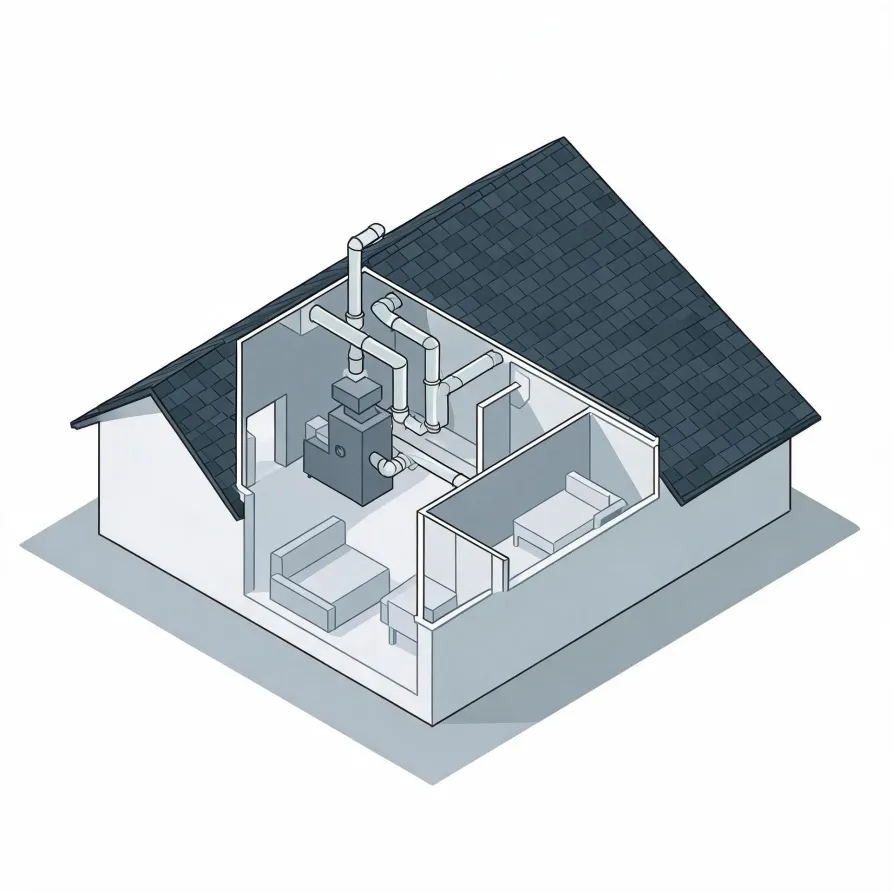
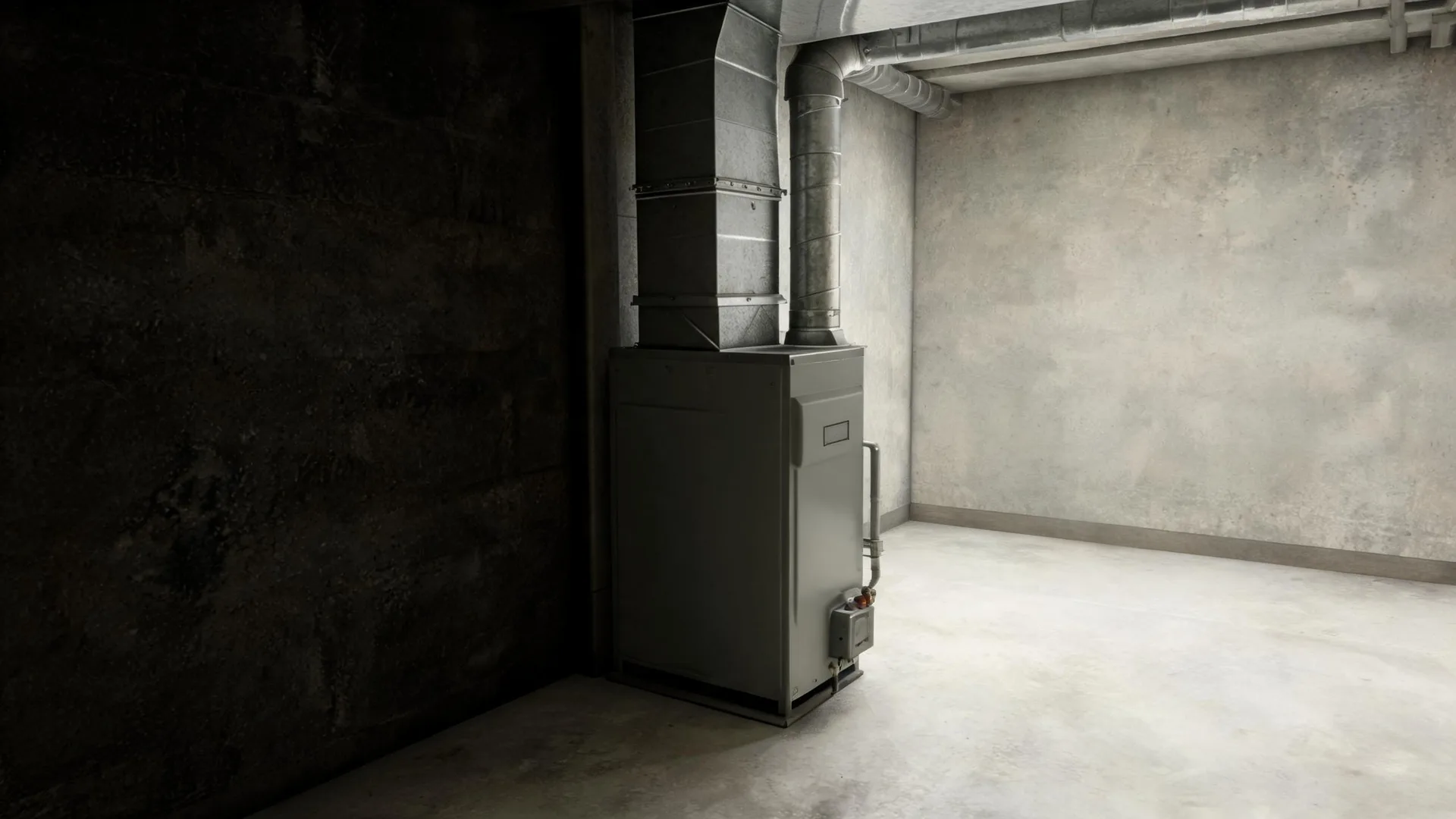
The furnace itself sits in a utility space, basement, or closet and is the heart of the repair call. Inside it, the heat exchanger transfers combustion heat to your air supply, and a cracked or corroded exchanger is one of the first things a contractor looks for. The burners, which ignite the fuel inside that exchanger, are another early suspect when the system is producing little heat or none at all.
The blower motor and fan assembly sit downstream of the heat exchanger and push conditioned air into the supply side of your home. The flue or exhaust vent runs from the furnace to the outside and carries combustion gases out. When a furnace short-cycles, runs noisily, or fails to ignite, a contractor works through these components in sequence to find where the failure is.
The drawing shows the general layout of a furnace system, and a licensed contractor determines which components and conditions apply to your specific house.
Get matched in Jackson CountyJackson County, Alabama, by the numbers
328 severe weather events were recorded in Jackson County, Alabama between 2015 and 2024.
NOAA National Centers for Environmental Information, Storm Events Database, bulk CSV export, events 2015-01-01 through 2024-12-31.Half the homes in Jackson County, Alabama were built in 1985 or earlier (2020-2024 ACS 5-year).
U.S. Census Bureau, 2020-2024 American Community Survey 5-Year EstimatesJackson County, Alabama holds 24,914 housing units (2020-2024 ACS 5-year).
U.S. Census Bureau, 2020-2024 American Community Survey 5-Year EstimatesOwners occupy 75.1% of the occupied homes in Jackson County, Alabama (2020-2024 ACS 5-year).
U.S. Census Bureau, 2020-2024 American Community Survey 5-Year EstimatesCodes & Standards Governing Furnace Repair in Jackson County, Alabama5 sourced rules and standards
What Furnace Repair Looks Like in Jackson County
Non-weatherized gas furnaces manufactured on or after November 19, 2015 must reach 80.0 percent AFUE.
Non-weatherized oil-fired furnaces manufactured on or after November 19, 2015 must reach 83.0 percent AFUE.
Mobile home gas furnaces manufactured on or after November 19, 2015 must reach 80.0 percent AFUE.
Non-weatherized gas furnaces manufactured on or after December 18, 2028 must reach 95.0 percent AFUE, up from the 80.0 percent minimum that applies to units manufactured before that date.
Licensing Rules for Jackson County, Alabama
Alabama requires state certification to do heating, air conditioning and refrigeration contracting: nobody may advertise, bid, pull permits or do the work unless the person in responsible charge is a certified contractor.
Severe Weather Events in Jackson County
Extreme weather puts real hours on a furnace. Every hard season adds stress to heat exchangers, igniters, and controls, and that wear compounds over time in ways that show up as repair calls.
328 severe weather events, 2015–2024. Source: NOAA National Centers for Environmental Information, Storm Events Database.