Tell us about the job
Takes about a minute. No obligation.
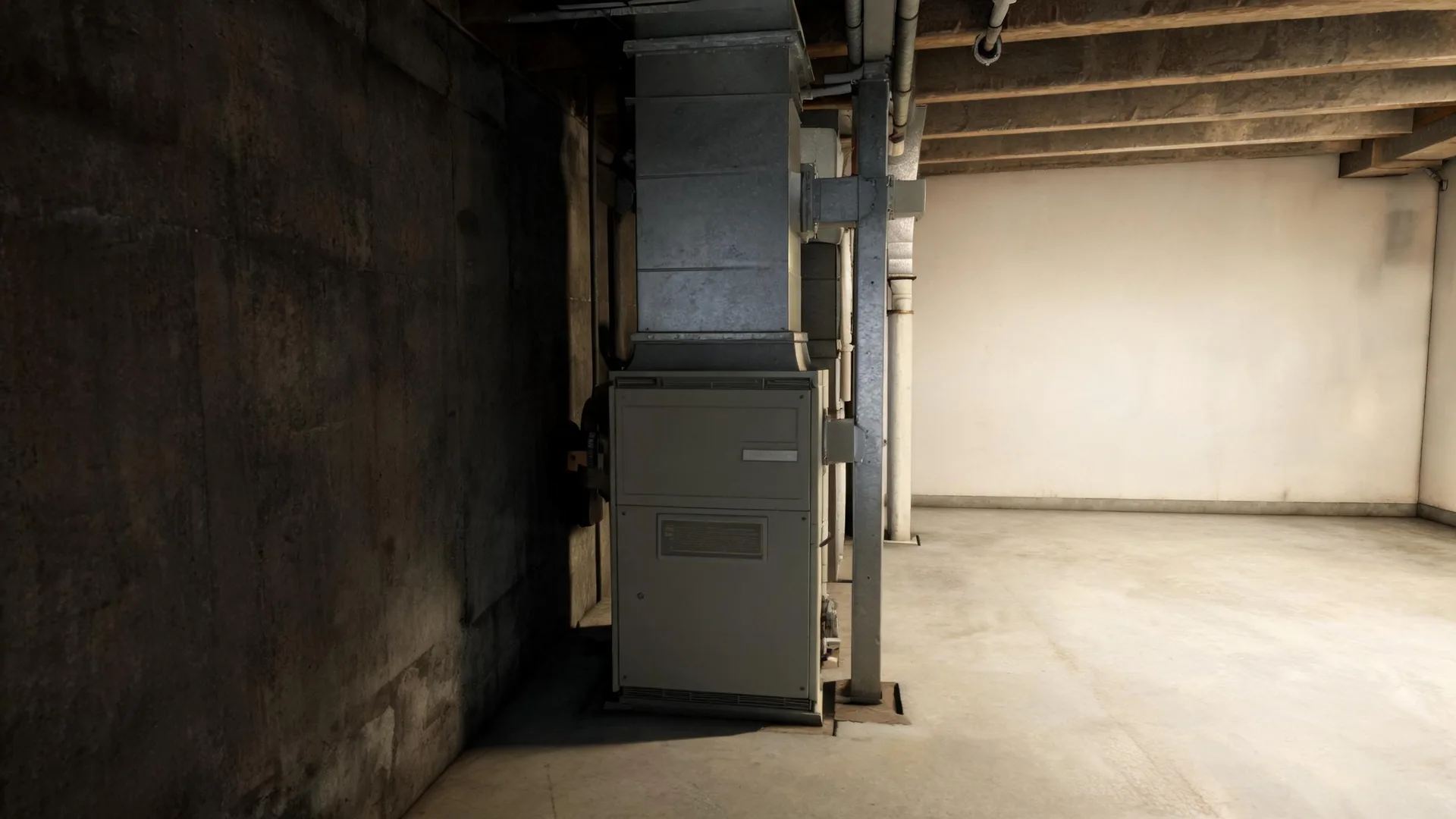
A furnace installation in Pike County starts with what the existing system was actually asked to do and how well the structure it served was set up to let it do that. 66 severe weather events were recorded in Pike County, Alabama between 2015 and 2024. At that rate, severe weather shapes the background of every system here without being the dominant load story. What a contractor has to establish before sizing a replacement is how the heat was distributed, where it was lost, and whether the previous unit was matched to the house at all. Those are the questions that decide what goes in next.
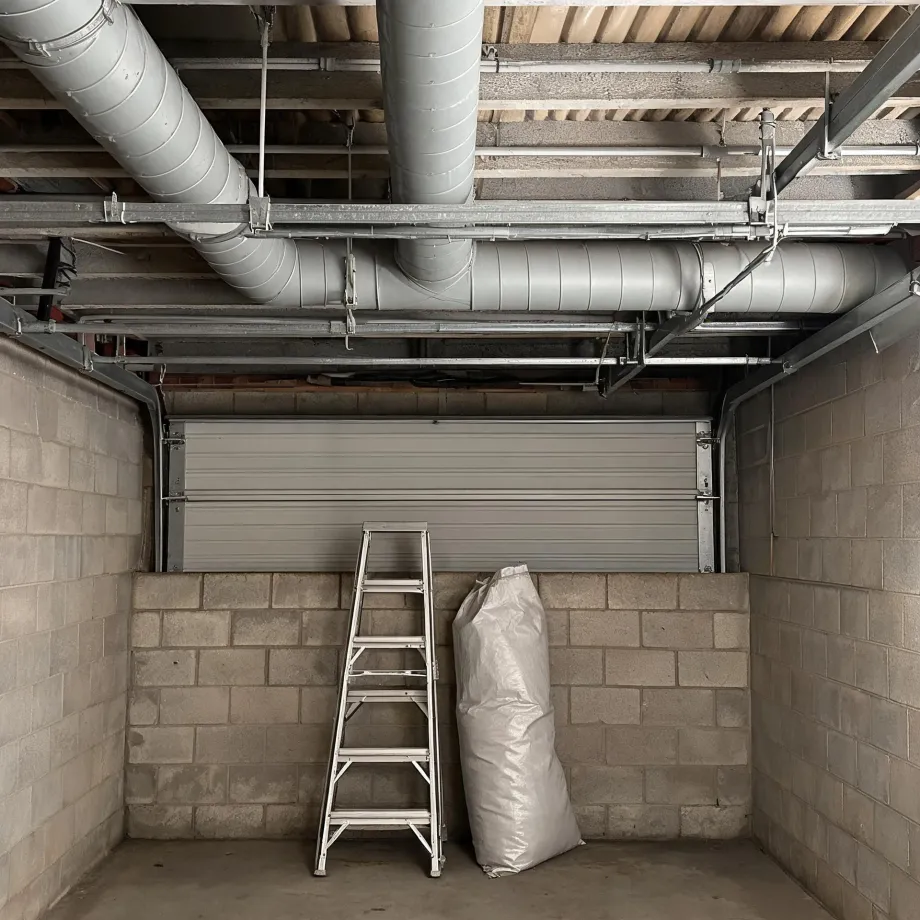
Ductwork designed around a furnace from an earlier generation may not carry what a modern unit pushes. Half the homes in Pike County, Alabama were built in 1986 or earlier (2020-2024 ACS 5-year). That gap between what the house was built around and what a new furnace requires is where a contractor's assessment lands first: whether the existing trunk lines, branch runs, and return air paths can handle the load the new equipment calls for, or whether they have to be reworked before the furnace goes in. The electrical supply gets the same look. What the installation actually costs and how long it takes depends on those answers.
What Gets Installed With a New Furnace
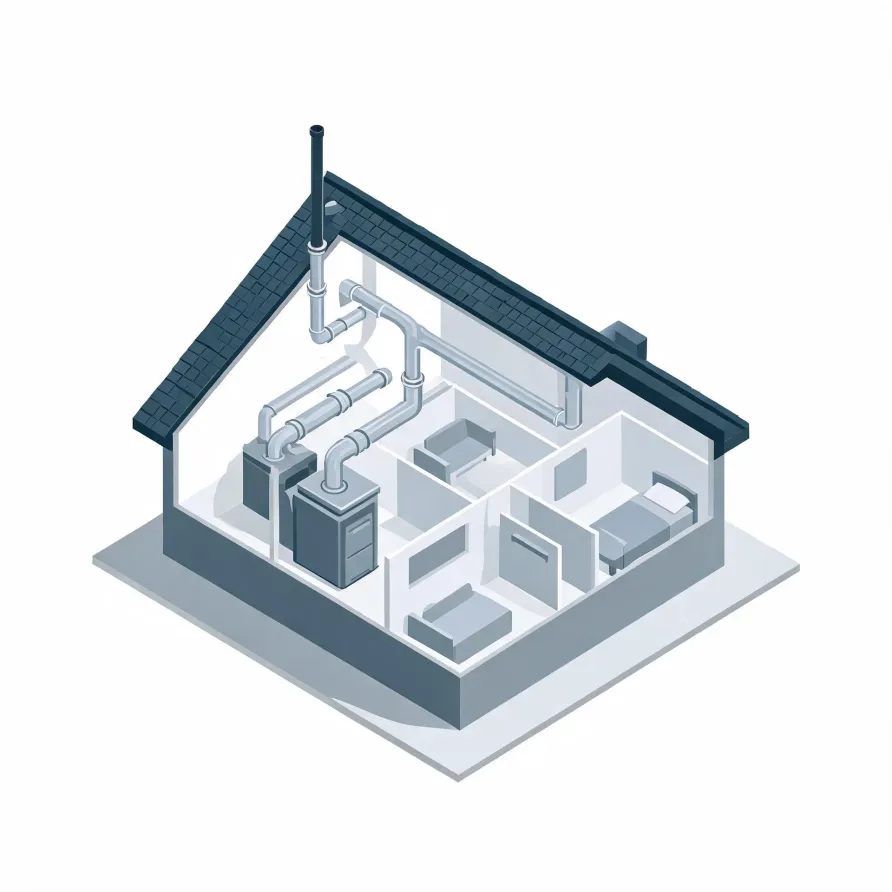
The furnace itself sits in a utility room, basement, or closet and is the unit that generates heat for the house. A gas furnace burns fuel in a sealed combustion chamber, and the heat exchanger surrounding that chamber is what warms the air before it moves anywhere. That exchanger, along with the burners and the draft inducer that pulls combustion gases out, all go in with the furnace cabinet.
The flue pipe runs from the furnace up and out of the house, carrying exhaust gases away from the living space. At the air side of the system, a blower motor sits inside the furnace cabinet and pushes conditioned air into the supply plenum, which is the sheet-metal box that connects the furnace to the duct runs. A filter housing mounts at the return air opening, right where air enters the unit.
The drawing shows a typical layout, and a licensed contractor determines what applies to your specific house and equipment.
Get matched in Pike CountyPike County by the Numbers
66 severe weather events were recorded in Pike County, Alabama between 2015 and 2024.
NOAA National Centers for Environmental Information, Storm Events Database, bulk CSV export, events 2015-01-01 through 2024-12-31.Half the homes in Pike County, Alabama were built in 1986 or earlier (2020-2024 ACS 5-year).
U.S. Census Bureau, 2020-2024 American Community Survey 5-Year EstimatesPike County, Alabama holds 16,238 housing units (2020-2024 ACS 5-year).
U.S. Census Bureau, 2020-2024 American Community Survey 5-Year EstimatesOwners occupy 61.3% of the occupied homes in Pike County, Alabama (2020-2024 ACS 5-year).
U.S. Census Bureau, 2020-2024 American Community Survey 5-Year EstimatesCodes & Standards Governing Furnace Installation in Pike County, Alabama5 sourced rules and standards
What the installation actually looks like
Non-weatherized gas furnaces manufactured on or after November 19, 2015 must reach 80.0 percent AFUE.
Non-weatherized oil-fired furnaces manufactured on or after November 19, 2015 must reach 83.0 percent AFUE.
Mobile home gas furnaces manufactured on or after November 19, 2015 must reach 80.0 percent AFUE.
Non-weatherized gas furnaces manufactured on or after December 18, 2028 must reach 95.0 percent AFUE, up from the 80.0 percent minimum that applies to units manufactured before that date.
Licensing Rules for Pike County, Alabama
Alabama requires state certification to do heating, air conditioning and refrigeration contracting: nobody may advertise, bid, pull permits or do the work unless the person in responsible charge is a certified contractor.
Severe Weather Events in Pike County
Weather in this part of Alabama puts real demands on heating equipment: temperature swings, humidity loads, and storm activity all affect how hard a furnace works and how long it holds up. That makes local conditions a practical factor in what a contractor installs and how they size it.
66 severe weather events, 2015–2024. Source: NOAA National Centers for Environmental Information, Storm Events Database.