Tell us about the job
Takes about a minute. No obligation.
A furnace repair call in this county rarely traces back to weather as the root cause. 87 severe weather events were recorded in Talladega County, Alabama between 2015 and 2024. That puts this area near the middle of the national distribution, which means severe weather is a real but occasional factor in equipment wear, not a constant one. A contractor diagnosing a failed heat exchanger or a dead igniter will look first at how old the unit is and how consistently it was serviced. Weather load matters, but a system that has been skipping annual tune-ups will fail for that reason long before the skies can be blamed.
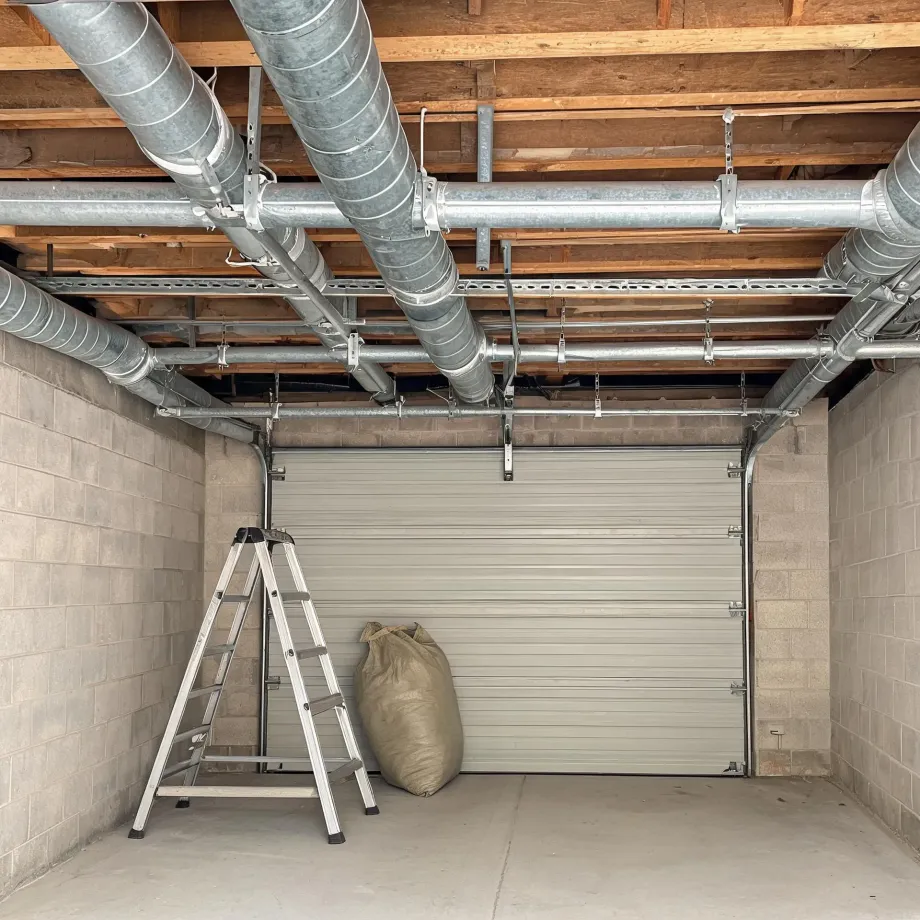
Furnace parts availability is the variable that most often decides how a repair job goes here. Half the homes in Talladega County, Alabama were built in 1984 or earlier (2020-2024 ACS 5-year). A house built that long ago has almost certainly seen at least one furnace come and go since the original installation, and the unit running now may itself be old enough that replacement components are discontinued or sourced only through specialty suppliers. When a contractor opens the heat exchanger or pulls the control board, what they find is whether the repair is a stock order or a search, and that difference is what sets the final scope and cost of the job.
The Parts of a Furnace a Contractor Checks First
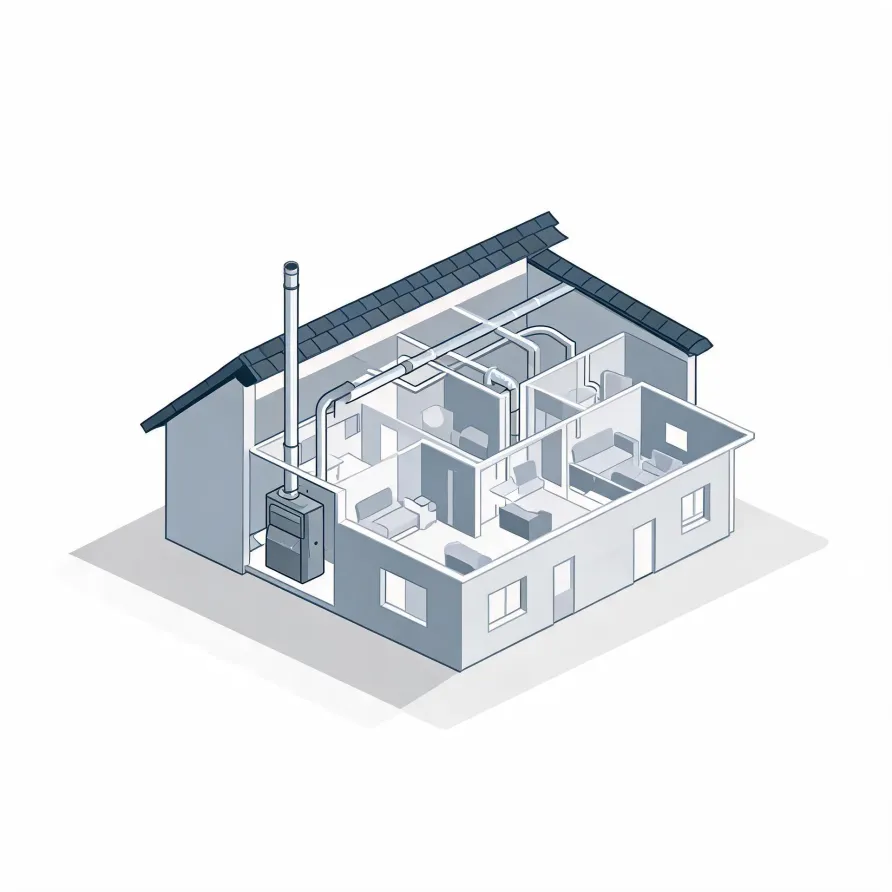
The furnace itself sits in a basement, utility closet, or crawlspace and is where heat is produced. Inside it, the heat exchanger is the piece a contractor looks at closely during a repair call, because cracks or failure there are what cause the system to stop heating or, in worse cases, to push combustion gases into the living space. The burners, which sit just below it, are another early stop.
The blower motor moves conditioned air out through the supply side of the duct system and sits at the base of the furnace cabinet. The flue or exhaust vent runs from the top of the unit out through a wall or roof and carries combustion gases out of the house. The control board ties the electrical side of all of this together and is often where a contractor traces the fault when the furnace is unresponsive.
The drawing shows the general layout of a furnace system, and a licensed contractor determines what applies to the specific equipment and configuration in your home.
Get matched in Talladega CountyTalladega County, by the numbers
87 severe weather events were recorded in Talladega County, Alabama between 2015 and 2024.
NOAA National Centers for Environmental Information, Storm Events Database, bulk CSV export, events 2015-01-01 through 2024-12-31.Half the homes in Talladega County, Alabama were built in 1984 or earlier (2020-2024 ACS 5-year).
U.S. Census Bureau, 2020-2024 American Community Survey 5-Year EstimatesTalladega County, Alabama holds 38,547 housing units (2020-2024 ACS 5-year).
U.S. Census Bureau, 2020-2024 American Community Survey 5-Year EstimatesOwners occupy 72.0% of the occupied homes in Talladega County, Alabama (2020-2024 ACS 5-year).
U.S. Census Bureau, 2020-2024 American Community Survey 5-Year EstimatesCodes & Standards Covering Furnace Repair in Talladega County, Alabama5 sourced rules and standards
What Happens When a Contractor Comes Out
Non-weatherized gas furnaces manufactured on or after November 19, 2015 must reach 80.0 percent AFUE.
Non-weatherized oil-fired furnaces manufactured on or after November 19, 2015 must reach 83.0 percent AFUE.
Mobile home gas furnaces manufactured on or after November 19, 2015 must reach 80.0 percent AFUE.
Non-weatherized gas furnaces manufactured on or after December 18, 2028 must reach 95.0 percent AFUE, up from the 80.0 percent minimum that applies to units manufactured before that date.
Licensing Rules for HVAC Repair in Talladega County, Alabama
Alabama requires state certification to do heating, air conditioning and refrigeration contracting: nobody may advertise, bid, pull permits or do the work unless the person in responsible charge is a certified contractor.
Severe Weather Events in Talladega County
Extreme weather puts real strain on furnace components, from heat exchangers to igniters, and the record of what this area has faced shapes how hard local equipment works. Repair needs here reflect local conditions, and that is a local contractor's territory.
87 severe weather events, 2015–2024. Source: NOAA National Centers for Environmental Information, Storm Events Database.